Top 5 Benefits of Using Functional FIBC Bags for Global Trade?
In today’s global trade landscape, efficiency and reliability are paramount. Functional FIBC Bags, or Flexible Intermediate Bulk Containers, serve as an essential solution for businesses worldwide. These bags offer numerous advantages, making them a preferred choice for transporting bulk goods.
One significant benefit is their durability. Constructed from high-strength materials, Functional FIBC Bags can withstand harsh conditions during transportation. They protect products from moisture and contamination. Another advantage is their versatility. These bags can handle various materials, from granules to powders, making them adaptable to different industries.
Furthermore, using Functional FIBC Bags can lead to cost savings. Their large capacity reduces the number of trips required for shipping. This efficiency can lower logistical costs. Companies often reflect on their choices, pondering whether alternative packaging methods could match this effectiveness. However, the practicality and strength of Functional FIBC Bags often remind businesses of their superior performance in worldwide trade logistics.
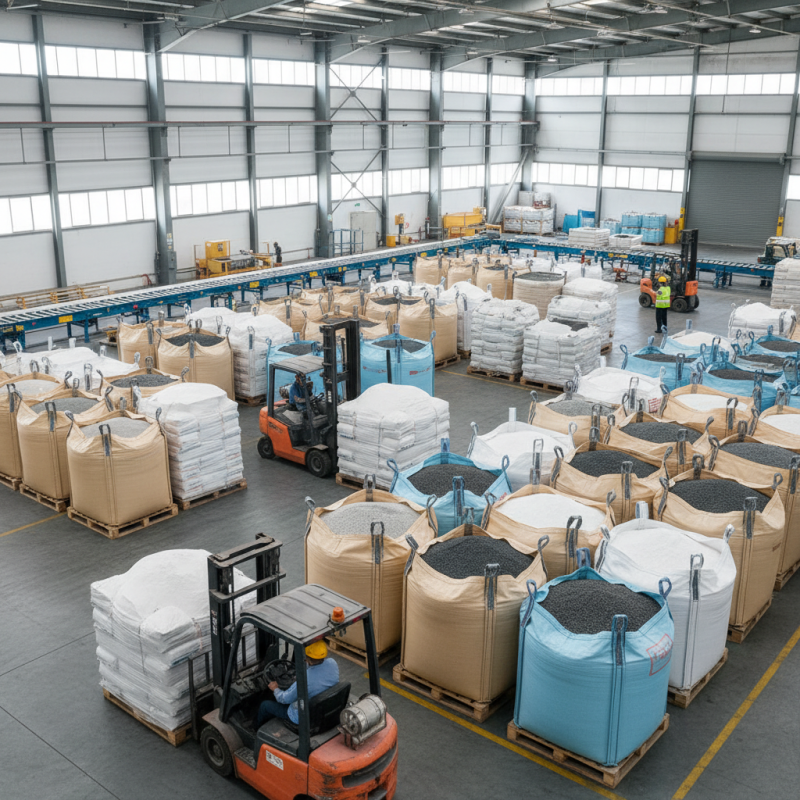
Benefits of Versatility in Functional FIBC Bags for Global Trade
Functional FIBC bags offer significant versatility for global trade. According to a recent industry report, the use of flexible intermediate bulk containers has increased by over 30% in the past five years. This growth can largely be attributed to their adaptability across various industries, from agriculture to construction. The ability to customize these bags for different contents makes them highly sought after.
One major advantage of functional FIBC bags is their design flexibility. They come in various sizes and configurations, accommodating diverse cargo types, including granules, powders, and even liquids. This versatility helps optimize space and reduce shipping costs. A 2022 logistics study revealed that using FIBC bags could decrease transportation expenses by 15% due to their efficient handling and stacking capabilities.
Moreover, the sustainability factor cannot be overlooked. As industries move towards eco-friendly practices, FIBC bags made from recyclable materials are gaining traction. However, it's important to note that not all bags offer the same level of reuse. Some manufacturers cut corners, impacting durability and lifecycles. Therefore, selecting high-quality options remains a crucial consideration for firms engaging in global trade. This inconsistency highlights the need for vigilance in choosing the right products to ensure long-term benefits.
Enhanced Durability and Strength of Functional FIBC Bags
Functional FIBC bags are gaining traction in global trade due to their enhanced durability and strength. Constructed from high-quality woven polypropylene, these bags can withstand heavy loads and rough handling. Their robust design minimizes the risk of tears and spills, making them ideal for transporting bulk materials.
The resilience of functional FIBC bags is evident in their ability to resist moisture and contamination. This feature protects the contents during transit and storage. Companies can maintain product integrity and quality, especially in industries like agriculture and construction. Yet, while they are incredibly strong, some bags may disappoint during extreme conditions. Users need to assess their specific needs carefully before implementation.
Another noteworthy aspect of these bags is their versatility. They are suitable for various applications, from food products to industrial materials. However, their effectiveness can vary based on construction quality. Choosing the right type for your product is vital. While these bags generally perform well, it is essential to review their specifications and limitations. This attention to detail ensures optimal performance in diverse global trade scenarios.
Cost-Effectiveness of Using Functional FIBC Bags in Logistics
Functional FIBC bags have transformed logistics, significantly enhancing cost-effectiveness in global trade. These bags can carry between 1,000 to 2,500 kilograms of bulk materials. Their flexible designs enable efficient storage, allowing companies to maximize warehouse space. In fact, a report by the Global Bulk Packaging Market valued FIBC bags at $6.89 billion in 2020, indicating a rapid growth rate as industries increasingly adopt these solutions.
The potential for cost savings is substantial. A study from the International Trade Centre revealed that shipping with FIBC bags can reduce transportation costs by up to 30%. This reduction stems from their lightweight nature and ability to nest during transit, optimizing space. Furthermore, reuse and recycling initiatives contribute to lower material costs, suggesting a more sustainable approach to packaging. However, not all FIBC bags are created equal, and businesses must critically evaluate their performance and durability specifications.
Despite their benefits, companies occasionally overlook the importance of proper handling training. Mismanagement can lead to product loss or contamination. Additional complexities arise from varying international transport regulations. Organizations should conduct thorough risk assessments to ensure compliance while maximizing functionality. Addressing these challenges is key to fully realizing the advantages that functional FIBC bags offer in global logistics.
Sustainability and Environmental Impact of Functional FIBC Bags
Functional FIBC bags have gained traction due to their sustainability and reduced environmental impact. Made from woven polypropylene, these bags are highly durable and recyclable. A report by the Flexible Intermediate Bulk Container Association estimates that 90% of used FIBC bags are recycled. This significantly lessens landfill waste compared to traditional packaging materials.
These bags require less energy to produce than many alternatives. The production of FIBC bags generates 50% less CO2 emissions than paper bags. Additionally, they can hold a substantial amount of material, reducing the number of bags needed for shipping. This efficiency contributes to lower transportation emissions.
However, challenges remain in the industry. Not all FIBC bags are created equal in terms of recyclability. Some may contain additives that hinder recycling efforts. The industry must focus on improving the material’s lifecycle and enhancing sustainable practices. By addressing these issues, the positive environmental impact of FIBC bags can continue to grow.
Improved Safety Standards in Handling Functional FIBC Bags for Trade
In global trade, safety is paramount. Functional FIBC bags enhance safety standards, which is crucial for handling bulk materials. These bags are designed with robust materials, ensuring that they can withstand heavy loads and rough handling during transport. Their ability to carry significant weight reduces the risk of spillage, which can lead to accidents and financial losses.
Improved safety protocols surrounding FIBC bags also involve proper training for staff. Employees must understand how to handle these bags correctly to prevent injury. Misuse of bags can result in hazardous situations, so continuous education is necessary. Even though many companies implement safety measures, human error can still occur. Regular audits of practices may help uncover risks and improve overall safety.
Advanced design features in functional FIBC bags, like anti-static properties and reinforced seams, contribute to their reliability in various industries. However, reliance on technology alone may not eliminate risks. Organizations should monitor their handling practices closely. This twofold approach can better ensure the safe transport of materials globally.