

China Best Electric Trike Scooter Supplier for Global Buyers
Choosing the China Best Electric Trike Scooter Supplier for Global Buyers requires more than comparing prices. A reliable supplier should demonstrate practical manufacturing experience, stable quality control, and clear communication. This article explores how buyers can evaluate an Electric Trike Scooter supplier before placing an international order.
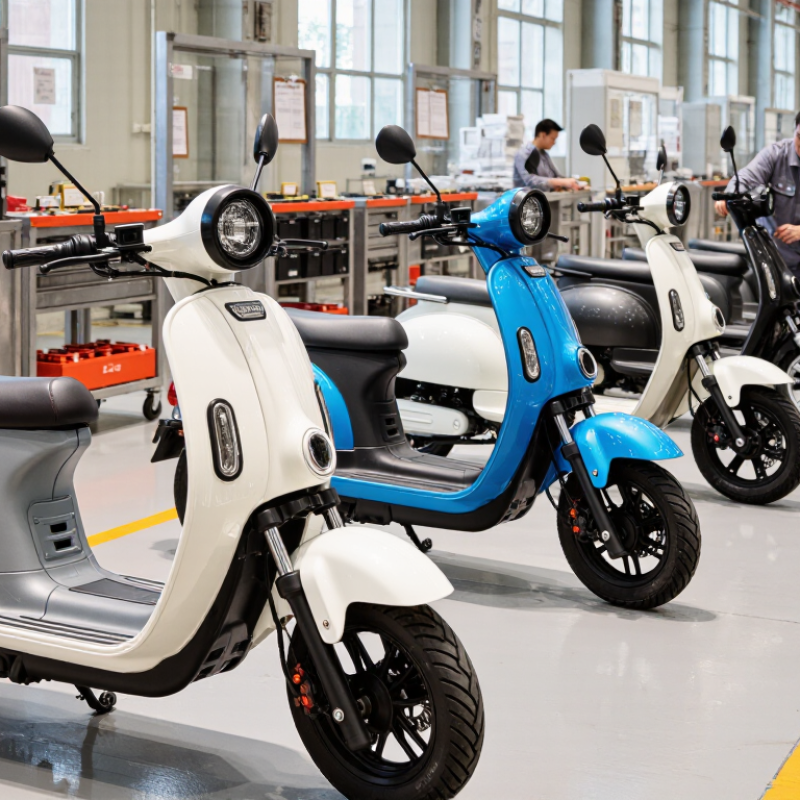
Real evidence matters. Look for factory photos, product specifications, battery details, load capacity, motor performance, and inspection records. Ask how each vehicle is tested before shipment. A useful supplier should explain frame welding, brake checks, controller testing, and packaging protection in simple terms. Sample orders can reveal details that catalogs often hide, such as loose connectors, uneven paint, or uncomfortable seating.
Small details matter.
Professional suppliers also understand regional requirements, shipping documents, warranty terms, and after-sales support. They should provide transparent information about certifications and help buyers confirm local compliance independently. However, no supplier is perfect, and no product fits every market. A model designed for warehouse transport may not suit neighborhood delivery or senior mobility. This is where honest consultation becomes important.
Some promises need questions.
The following guide focuses on supplier credibility, customization ability, production capacity, delivery reliability, and long-term service. It also considers communication after payment, replacement parts, technical guidance, and realistic total costs. Global buyers can use these points to compare suppliers with greater confidence, while recognizing that factory visits, samples, and third-party inspections remain valuable. Careful research may take longer, but it can prevent expensive mistakes and support a safer, more dependable Electric Trike Scooter purchasing decision.
Electric Trike Scooters: Vehicle Types, Uses, and Key Components
China Best Electric Trike Scooter Supplier for Global Buyers
Electric Trike Scooters: Vehicle Types, Uses, and Key Components
Electric trike scooters combine a motor, battery, and three-wheel frame for steady, low-speed travel. Common designs include upright scooters with a rear cargo box, seated models, and mobility-focused trikes with supportive seats. Their extra wheel can make standing or loading feel more stable, though it does not eliminate tipping risk on sharp turns or uneven ground.
These vehicles suit short neighborhood trips, campus routes, and light deliveries. A flat shopping bag may fit neatly in a basket; heavier loads need a rated cargo area and careful weight placement. Key components include the battery, motor, controller, brakes, tires, frame, and charging system. Buyers should compare usable range, charging time, payload rating, and replacement-part availability. Published range figures are estimates; hills, cold weather, rider weight, and frequent stops can reduce them. A specification sheet can look convincing, but real routes tell a fuller story.
Tips: Check brake response and tire condition before each ride. Keep heavy cargo low and centered. Ask suppliers for clear component specifications, battery-care instructions, and service guidance. Test the turning space where the trike will actually be used. Small details matter. One overlooked fit issue can make a practical vehicle frustrating.
China Best Electric Trike Scooter Supplier for Global Buyers - Electric Trike Scooters: Vehicle Types, Uses, and Key Components
| Vehicle Type | Typical Configuration | Common Uses | Key Components | Buyer Considerations |
|---|---|---|---|---|
| Mobility Electric Trike | Three wheels, low-speed electric drive, step-through frame, and a seat designed for one rider | Personal mobility, neighborhood trips, and travel on paved paths where local regulations permit | Electric motor, rechargeable battery, controller, throttle or assist controls, brakes, and stability-focused chassis | Check rider fit, braking performance, turning space, battery charging requirements, and applicable mobility-device rules |
| Passenger Electric Trike | Three-wheel platform with a passenger seat or enclosed passenger compartment | Short-distance passenger transport, site shuttles, and local trips | Motor and battery system, passenger seating, frame, suspension where fitted, lighting, and service brakes | Confirm permitted passenger capacity, seat-belt requirements where applicable, vehicle classification, and road-use approval |
| Cargo Electric Trike | Three-wheel design with a front or rear cargo box, platform, or carrier | Urban deliveries, facility operations, and transporting tools or goods over short distances | Load-bearing frame, cargo area, electric drive system, brakes, tires, and battery | Compare rated payload, cargo dimensions, load distribution, braking under load, and access to replacement parts |
| Utility Electric Trike | Work-oriented three-wheel vehicle with a flatbed, utility body, or task-specific fittings | Maintenance work, campus and warehouse support, and grounds operations | Reinforced chassis, motor, battery, controller, utility body, lighting, and braking system | Review intended duty cycle, terrain, payload rating, weather protection, and charging arrangements |
| Enclosed Electric Trike | Three-wheel vehicle with a covered cabin or weather-protective body | Local transport and work in conditions where protection from wind or light rain is useful | Cabin structure, windshield, doors or openings, electric drive system, battery, lights, and brakes | Verify visibility, ventilation, cabin access, overall dimensions, and whether the vehicle meets local road regulations |
| Shared Core Components | Components vary by model and intended application | Support propulsion, energy storage, steering, stopping, and rider or cargo safety | Frame, wheels and tires, motor, battery pack, motor controller, steering assembly, brakes, lights, and charging port | Request component specifications, battery safety documentation, service guidance, and confirmation of market-specific compliance |
Market Context: India’s Electric Three-Wheeler Sales Exceeded 50% in 2023
China Best Electric Trike Scooter Supplier for Global Buyers
India’s electric three-wheeler market offers a useful signal for global buyers. The International Energy Agency’s Global EV Outlook 2024 reports that electric models made up about 55% of India’s three-wheeler sales in 2023. That is more than half. The report also records roughly 580,000 electric three-wheeler sales nationwide. These figures point to practical demand for vehicles used in passenger transport and last-mile delivery, not just interest in new technology.
For suppliers, this shift makes vehicle suitability as important as headline sales. Buyers should assess payload, range under real working conditions, battery service access, and parts availability. A scooter trike carrying goods over uneven streets may perform differently from one used for short passenger trips. IEA figures describe a broad market; they do not guarantee the same results in every city. That distinction is easy to overlook, and it matters.
Tips: Compare tested range with a full-load route, not an empty vehicle. Request clear battery and maintenance specifications, then verify local service support before ordering. Small details count. A charging plan can look simple on paper and still fail during a busy workday.
Technical Specifications: Battery Voltage, Range, Payload, and Motor Output
China Best Electric Trike Scooter Supplier for Global Buyers
For global buyers, battery voltage is only the starting point. A 48V system suits lighter urban delivery, while 60V or 72V systems support heavier loads and longer operating cycles. Battery capacity matters more than voltage alone. A 72V 100Ah pack stores about 7.2 kWh before efficiency losses. The IEA Global EV Outlook 2024 identifies electric two- and three-wheelers as one of the most electrified road-transport segments, especially in China. However, claimed range still needs careful checking. The U.S. Department of Energy notes that speed, temperature, road grade, and payload can sharply change real-world results.
A practical cargo trike should show tested range, not only laboratory range. For example, a 60V 80Ah battery provides roughly 4.8 kWh, while a 1,500W motor may suit flat urban routes. Heavier cargo, hills, or frequent starts may require 2,000–3,000W output. Payload should be clearly separated from curb weight. A 400 kg payload rating sounds useful, but it may include the driver, battery, and accessories. That detail is often missed. It should not be.
Supplier documentation should include battery chemistry, charger input, continuous motor output, peak output, gradeability, braking performance, and test conditions. IEC and UNECE technical frameworks provide useful reference points for electric powertrain safety and testing, but buyers should still request independent verification. Range figures can be optimistic. A controlled route test with a defined load is more valuable than a perfect brochure number.
China Electric Trike Scooter Technical Specifications for Global Buyers
Representative non-branded configurations comparing estimated driving range and rated motor output.
| Configuration | Battery Voltage | Typical Range | Payload Capacity | Rated Motor Output |
|---|---|---|---|---|
| Compact Commuter | 48 V | 50–70 km | 150 kg | 500 W |
| Long-Range Utility | 60 V | 70–100 km | 250 kg | 1,000 W |
| Heavy-Duty Cargo | 72 V | 80–120 km | 300 kg | 1,500 W |
Range values are typical estimates based on battery capacity, payload, road conditions, temperature, speed, and riding style. Actual specifications should be confirmed for the selected configuration and destination market.
Supplier Evaluation: Factory Quality Systems and UN 38.3 Battery Testing
For global buyers, evaluating an electric trike scooter supplier starts inside the factory.
A reliable facility uses documented quality procedures from incoming parts to final inspection.
Inspectors should verify motor samples, frame welds, brake adjustment, wiring protection, and charger output.
Records must show batch numbers, operator checks, and corrective actions.
A clean floor is helpful, but traceable records matter more. A factory can look impressive and still miss small defects.
Battery safety requires stronger evidence.
Ask for UN 38.3 test reports covering the actual battery model and configuration.
The report should identify the cell type, pack capacity, testing laboratory, and sample information.
Relevant tests include altitude simulation, thermal cycling, vibration, shock, external short circuit, impact, overcharge, and forced discharge.
Check whether production batteries match the tested design.
Even a valid report may not prove every later batch remains identical.
Tips:
Request a factory video showing battery assembly and end-of-line testing.
Compare report dates with current production.
Ask how failed samples are isolated and recorded. Keep written answers, not verbal promises.
No system is flawless.
A supplier that admits weak points and explains improvements may be more dependable than one offering perfect claims.
One overlooked connector can create costly delays.
Global Procurement: Customization, Shipping, Documentation, and After-Sales Support
Global procurement of electric trike scooters requires more than a low factory quotation. The IEA’s Global EV Outlook 2024 reports that electric two- and three-wheelers remain the world’s largest electric road-vehicle segment by sales. This demand creates opportunities for Chinese suppliers, but buyer requirements differ sharply by terrain, climate, and usage.
Customization should begin with measurable conditions. Specify payload, battery chemistry, motor output, braking systems, seat dimensions, and charging standards. A sample unit should complete hill, rain, and load tests before mass production. Small details matter. A loose connector can delay delivery. A supplier should provide inspection records, serial-number tracking, manuals, spare-parts lists, and clear warranty terms. Buyers should also challenge unclear battery-life claims.
Shipping needs disciplined documentation. Incoterms® 2020 should define cost, risk, insurance, and delivery responsibility. Commercial invoices, packing lists, certificates of origin, battery transport documents, and destination compliance files must match exactly. UNCTAD reports that maritime transport carries over 80% of global merchandise trade by volume, so port delays remain realistic risks. After-sales support should include remote diagnosis, replacement-part availability, technician videos, and response targets. In practice, even good systems need improvement: translation errors and missing local service partners can weaken an otherwise reliable procurement plan.