How to Choose the Best EV Charger Plug at the 2026 Canton Fair?
The 2026 Canton Fair is approaching, offering a prime opportunity to explore the best EV Charger Plug options available. With a focus on advanced manufacturing and electronics, this fair will showcase a variety of innovative charging solutions. The event runs from April 15 to May 5, spreading across three phases, each highlighting unique product categories.
Navigating such a vast expo, spanning 155,000 square meters, can be overwhelming. Thankfully, attendees will benefit from AI-powered search and navigation features. These tools allow buyers to filter suppliers based on crucial certifications like ISO and CE. However, while technology improves efficiency, there’s often a disconnect between innovation and practicality.
Choosing the right EV Charger Plug requires careful consideration. Not every product meets the diverse needs of users or local standards. Some buyers might focus too much on trends, overlooking aspects like compatibility and durability. Reflection on your priorities during this selection process can lead to a more informed purchase. The Canton Fair promises a wealth of options, but discernment is key.
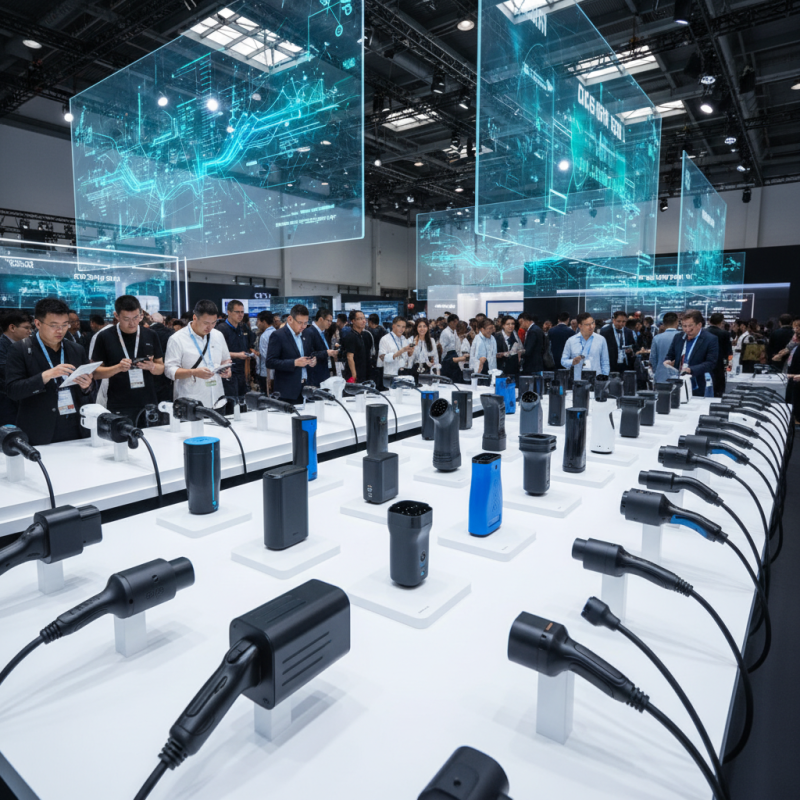
Understanding the Different Types of EV Charger Plugs Available
Choosing the right EV charger plug can be overwhelming. Different types offer varying features. Knowing these differences is crucial for your needs. There are standard plugs, rapid chargers, and even wireless options.
Standard plugs, like Type 1 and Type 2, serve most EVs. These are widely compatible, making them an easy choice. Rapid chargers, on the other hand, can fully charge your vehicle in a short time. However, they may not be available everywhere. Wireless options are emerging, but many people are still skeptical about their efficiency.
Each type of charger has its pros and cons. For instance, standard plugs are reliable but slower. Rapid chargers are fast but depend on infrastructure. Wireless charging is innovative but can be pricey. When exploring options at the Canton Fair, consider what features matter most to you. Reflect on your charging habits and the plug types available.
Factors to Consider When Choosing an EV Charger Plug
When choosing an EV charger plug, several important factors come into play. A recent industry report indicates that over 40% of EV owners prioritize charging speed. Fast chargers significantly reduce downtime for users. Speed is crucial, especially as the number of electric vehicles continues to rise globally. In fact, projections suggest a 25% annual growth rate for EV sales by 2026.
Compatibility is another key consideration. Different EV models require different connectors. Some plugs only work with specific brands. Therefore, understanding your vehicle's requirements is essential. A mismatch can lead to frustration during charging. It's worth noting that around 30% of users reported difficulties with plug compatibility in recent surveys.
Cost also plays a significant role in selecting a charger. Price varies widely based on features and specifications. According to market analysis, high-end models can exceed $1,000. While they offer advanced features, many consumers feel unsure whether the investment is worth it. There’s no one-size-fits-all answer, and personal needs differ greatly. Some prefer basic functionality while others seek advanced options. Balancing price with necessity is vital.
EV Charger Plug Selection Factors at the 2026 Canton Fair
Evaluating Charging Speed and Compatibility for Your Vehicle
Choosing the right EV charger plug is crucial for your vehicle's efficiency. At the 2026 Canton Fair, you'll find various options. Evaluate charging speed first. Fast chargers can reduce downtime, but ensure your vehicle can handle it. Some vehicles are not built for rapid charging.
Consider compatibility next. Not all plugs fit every electric vehicle model. Check the specifications of your vehicle. Some connectors are universal, while others are proprietary. Compatibility impacts performance and charging time significantly.
Tips for selection: Research battery capacity. A plug that matches your battery's requirements is vital. Pay attention to voltage and amperage ratings too. Be mindful of future needs. As technologies evolve, you may have different charging requirements down the road. Make a choice that won't leave you frustrated in the future.
Assessing the Quality and Safety Standards of EV Charger Plugs
When assessing the quality and safety standards of EV charger plugs, several key factors come into play. The global electrical vehicle (EV) market is growing rapidly, with projections estimating over 140 million EVs on the road by 2030. As more consumers adopt these vehicles, the need for reliable and safe charging solutions becomes paramount.
Quality certification is crucial. Look for chargers that meet international standards like IEC 61851 or ISO 26262. These frameworks ensure that products undergo rigorous testing for safety and performance. Notably, a recent industry report indicated that over 30% of substandard charging plugs fail electrical safety tests. This statistic highlights the importance of thorough inspection and certification.
Furthermore, consider the materials used in these plugs. Quality materials can affect both durability and performance. Chargers made with superior components can withstand various weather conditions and heavy usage. However, the market is flooded with low-cost alternatives that may not meet safety standards.
A careful evaluation is essential. Seek plugs with robust features, such as overcurrent protection and temperature control, to reduce risks. Remember, a small investment in quality can prevent significant issues down the line.
Tips for Negotiating and Purchasing EV Charger Plugs at Trade Fairs
When attending the 2026 Canton Fair, negotiating effectively for EV charger plugs is crucial. Understand that the EV market is expanding rapidly, with an expected growth rate of 28% annually until 2030. This indicates a promising demand for reliable charging solutions. Buyers need to assess the charging capabilities and compatibility of different plugs. Keep in mind that not all plugs are created equal; local standards often vary widely.
Negotiation is an art. Start with clear goals and a solid understanding of your budget. Research suppliers beforehand to gauge industry price trends. It's reported that trade fair prices can be up to 15% lower than market average due to competition. Engage in discussions with multiple vendors. Sometimes, the initial quote does not reflect their bottom line. Don't hesitate to express your concerns about quality and support. Suppliers want your business, and they may be willing to improve quality guarantees to seal the deal.
Be aware of details that matter. Evaluate terms of warranty and after-sales support. Some vendors may offer weaker warranties. This can affect your long-term satisfaction. It's essential to weigh these aspects carefully. Trust your instincts if something feels off. Overall, being informed and assertive can lead to a fruitful purchase.