What are the Best Photovoltaic Connectors for Solar Panels?
In the world of solar energy, choosing the best Photovoltaic connectors is crucial. These components play a significant role in the efficiency and safety of solar panel installations. Poor-quality connectors can lead to energy loss, damage, and even fire hazards.
The right photovoltaic connectors ensure a reliable and efficient connection between panels and other electrical components. They come in various types, each with its unique benefits and drawbacks. For instance, MC4 connectors are popular for their ease of use and durability. Yet, they can be tricky to handle for newcomers.
Many users overlook the importance of these connectors. They focus solely on the panels themselves. However, weak links in the system can lead to underperformance. Finding connectors that withstand environmental factors is vital. They should resist UV exposure and moisture. Ultimately, selecting the appropriate photovoltaic connectors enhances system longevity and performance.
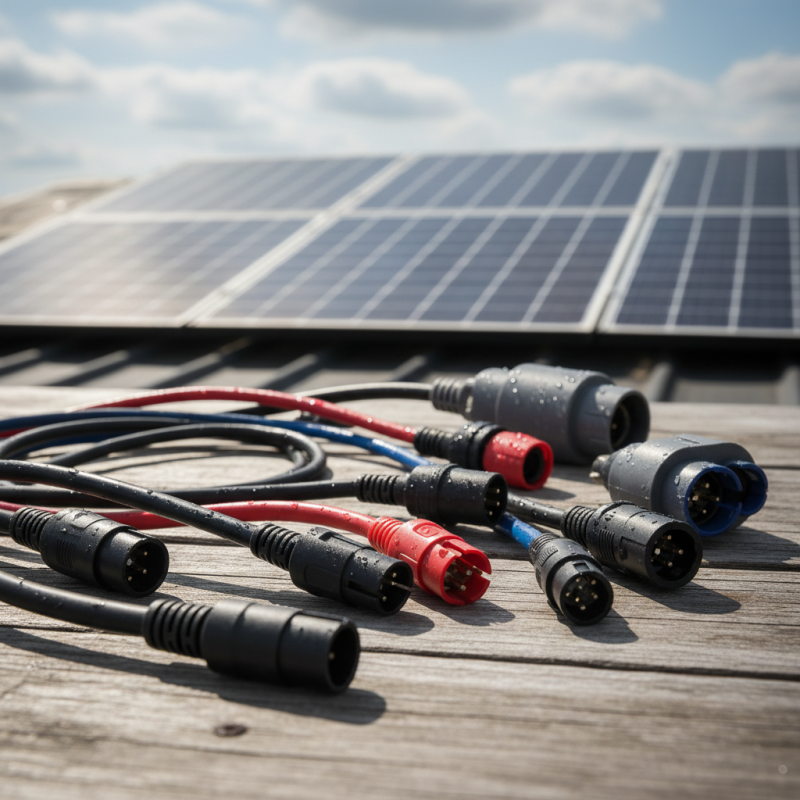
Understanding Photovoltaic Connectors: Key Concepts and Types
Photovoltaic connectors play a crucial role in solar panel systems. They ensure the efficient transfer of electrical energy from solar panels to inverters or batteries. Understanding the various types of connectors is essential for efficient system design. For instance, MC4 connectors are common due to their durability and weather resistance. They can handle high-performance operations, withstanding voltages up to 1000V DC.
Connectors make a difference in installation speed and reliability. A proper connection reduces the risk of power loss. According to a report by IHS Markit, improper connections can cause up to 20% efficiency loss in some systems. This highlights the importance of quality materials and secure fittings. Properly rated connectors not only enhance efficiency but also contribute to overall system longevity. However, many installers overlook the quality of connectors in favor of cost-saving.
Tip: Always check the temperature rating of connectors. They should be suitable for your local climate. Extreme heat or cold can adversely affect performance. Regularly inspect connections for signs of wear or corrosion. Fresh installations may seem perfect, but over time, even minor issues can lead to performance drags.
Common Types of Photovoltaic Connectors Used in Solar Panels
When it comes to solar panels, the connectors play a vital role in ensuring efficient energy transfer. Various types of photovoltaic connectors are commonly used, including MC4 connectors, Tyco connectors, and Amphenol connectors. MC4 is the most widely adopted type, known for its reliability and ease of use. According to a 2022 report by Solar Power World, nearly 70% of installed systems utilized MC4 connectors.
These connectors are designed to handle the harsh outdoor conditions solar panels face. They offer excellent waterproofing and dustproof features. However, installation challenges can arise. Some users report difficulty in properly connecting or disconnecting them. Installing MC4 connectors improperly may lead to energy loss or system failure. Awareness of proper installation techniques is essential for optimal performance.
Tips: Always check the compatibility of connectors with different solar panel models. This will help prevent compatibility issues. Regularly inspect connectors to ensure no debris is obstructing the connection; such simple maintenance can enhance efficiency. The selection of the right connector type shouldn't be taken lightly. It can significantly impact both performance and longevity of your solar system.
Factors to Consider When Choosing Photovoltaic Connectors
When choosing photovoltaic connectors for solar panels, several factors come into play. The connectors must handle the specific voltage and current from the panels. Matching ratings to the system's requirements is vital for safety. Poor connections can lead to overheating. This factor can compromise the entire solar setup.
Durability is another key aspect. Connectors must withstand harsh weather. They should resist UV exposure and moisture. Some connectors struggle with these conditions over time. This can lead to increased maintenance needs. Compatibility with different panels is essential too. Not all connectors fit all panel types. Knowing the specifications can prevent future issues.
Installation ease should also be taken into account. Complicated connectors may lead to installation errors. Simpler designs facilitate quicker setups and fewer mistakes. It's worth considering the costs and quality trade-offs. Cheaper connectors might save money initially but could fail sooner. Long-term performance should guide selections. Each choice made could impact efficiency and longevity.
What are the Best Photovoltaic Connectors for Solar Panels? - Factors to Consider When Choosing Photovoltaic Connectors
| Connector Type | Max Voltage (V) | Current Rating (A) | Temperature Range (°C) | IP Rating |
| MC4 | 1000 | 30 | -40 to 90 | IP68 |
| Amphenol H4 | 1500 | 40 | -40 to 120 | IP67 |
| Tyco MATE-N-LOCK | 600 | 20 | -40 to 85 | IP67 |
| SolarLock | 1500 | 30 | -40 to 95 | IP68 |
| PV Connector Type 2 | 1000 | 40 | -40 to 85 | IP67 |
Advantages of Using High-Quality Photovoltaic Connectors
High-quality photovoltaic connectors are critical for solar panel systems. They ensure reliable energy transfer, which directly affects a system’s efficiency. According to recent industry reports, systems using premium connectors have up to a 15% higher efficiency compared to those with standard connectors. This difference can significantly impact energy production over the lifespan of a solar installation.
Using robust connectors also enhances the system's durability. Poor-quality connectors can lead to failures and, ultimately, higher maintenance costs. In fact, the National Renewable Energy Laboratory estimates that about 20% of maintenance costs in solar projects stem from connector issues. Investing in high-quality connectors reduces these risks and enhances long-term performance.
Additionally, the ease of installation should not be overlooked. High-quality connectors often feature user-friendly designs, allowing for faster assembly. However, it’s essential to recognize that not all connections will remain perfect under weather extremes. Regular inspections should be part of any solar maintenance plan to ensure optimal performance. These aspects indicate that while high-quality connectors carry clear advantages, vigilance is necessary to maintain system integrity.
Best Practices for Installing and Maintaining Photovoltaic Connectors
Proper installation and maintenance of photovoltaic connectors is crucial for solar panel performance. According to the National Renewable Energy Laboratory (NREL), connections need to be robust and weather-resistant to ensure longevity. A well-fitted connector minimizes energy loss and increases system efficiency by up to 5%. However, improper installation can lead to significant issues such as arcing. This risk is often overlooked during the installation phase.
Regular maintenance of these connectors can prevent costly repairs. Inspections should occur at least twice a year. Look for signs of corrosion or wear and tear. The Solar Energy Industries Association (SEIA) reports that nearly 15% of solar failures relate to poor connections. Cleaning connectors can enhance conductivity and reduce heat. It’s essential to use appropriate tools for this process. Using harsh chemicals or excessive force can damage the connectors.
Training is also vital for installation teams. Many technicians may underestimate the importance of connector quality. The wrong choices can undermine system performance. Awareness of environmental factors is critical as well. Humidity and temperature fluctuations can affect connector integrity. Regular updates on best practices can guard against these common pitfalls.