What are the Best Solar Applications for Global Buyers?
The increasing global emphasis on sustainability has driven a surge in Solar Applications across various sectors. According to a report by the International Energy Agency (IEA), solar energy is projected to become the largest source of electricity by 2025. This growth signifies the need for global buyers to explore the most effective solar applications available today.
In residential settings, solar panels can significantly cut electricity costs. A homeowner can save an average of $1,500 annually, according to the National Renewable Energy Laboratory (NREL). Despite the high initial investment, the long-term benefits make solar applications a smart choice. However, challenges such as installation logistics and maintenance remain critical concerns.
In commercial sectors, solar technologies are equally transformative. Many businesses report reduced operational costs and enhanced environmental responsibility. Nevertheless, the inconsistency in regulations worldwide poses a challenge for global buyers, making it essential to stay updated on regional policies. The growing interest in solar applications marks a pivotal moment for sustainable energy solutions, yet careful consideration is still necessary.
Key Factors Influencing Solar Applications for Global Buyers
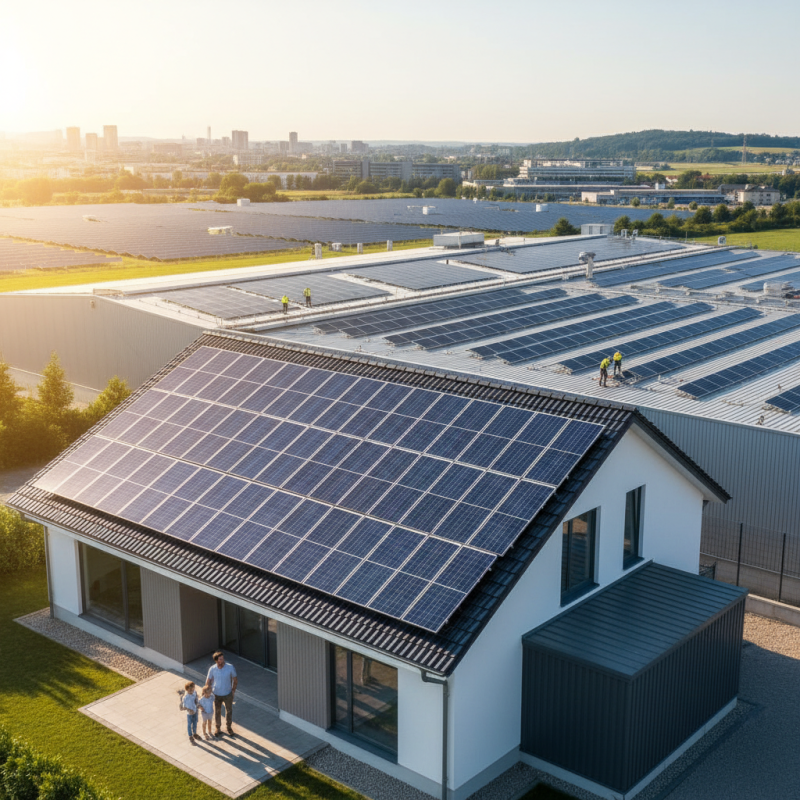
The global solar market is influenced by several critical factors. The demand for renewable energy is surging, driven by climate change awareness. According to a report from the International Energy Agency, solar power capacity may exceed 1,200 gigawatts by 2025. This expansion offers numerous applications for buyers, from residential rooftop systems to large-scale solar farms.
Economic considerations play a significant role. For instance, countries with high solar insolation see better returns on investment. A study by SolarPower Europe indicates that residential solar installation costs decreased by 30% in recent years. However, potential buyers often face challenges in financing. Accessibility to affordable credit remains a barrier in many regions. Local policies further shape market landscapes, impacting buyer choices significantly.
Technological advancements also influence applications. Innovations in energy storage enhance solar efficiency and reliability. Yet, not all regions have access to the latest technologies. Market fragmentation leaves some buyers struggling to find suitable solutions. As the industry evolves, buyers must navigate these complexities to maximize solar benefits. Understanding these factors is essential for successful investment in solar technologies.
Best Solar Applications for Global Buyers
Popular Solar Technologies and Their Applications Worldwide
Solar energy applications continue to expand worldwide. From residential rooftops to large-scale solar farms, the versatility of solar technology is remarkable. Homeowners use solar panels to reduce energy costs while contributing to cleaner air. Businesses are also adopting solar power to improve sustainability efforts.
Tips: Consider your location's sunlight availability. Some regions may not receive enough sun for optimal solar performance. Assess local regulations too. Not all areas allow for certain installations.
Another popular use of solar technology is in agricultural practices. Farmers integrate solar panels to power irrigation systems, enhancing efficiency. This innovation improves crop yields while minimizing carbon footprints. However, the initial investment can be daunting.
Tips: Explore community solar projects. They allow multiple participants to share resources and costs. This option benefits those unable to install panels on their property. Stay informed about technological advances to make the best choices for your needs.
Regional Variations in Solar Application Preferences
When considering solar applications globally, regional variations greatly influence preferences. In developing regions, solar water heaters dominate due to their practicality and cost-effectiveness. These systems are essential for providing hot water in areas where electricity supply is unreliable. Urban areas, however, often favor solar photovoltaic systems, which can power homes and businesses efficiently.
Tips: Assess your local climate and energy needs. This will help you choose the right solar application.
In contrast, some regions prioritize off-grid solar solutions. Rural communities often depend on solar lanterns and small-scale solar kits. These technologies increase energy access, improving quality of life. Yet, maintenance and repair factors must be considered. Users need to be prepared for potential challenges.
Tips: Research local service providers before investing. Reliable support can make a difference.
Additionally, many regions emphasize solar tracking systems. They maximize energy capture in areas with high sunlight intensity. However, installation costs can be a barrier. Buyers should weigh long-term benefits against upfront expenses. Every choice reflects unique local conditions and personal needs.
Evaluating Cost-Effectiveness of Solar Solutions for Global Markets
Evaluating cost-effectiveness in solar solutions is crucial for global buyers. Many regions need reliable energy sources due to rising electricity demands. Solar energy offers a sustainable alternative. However, not all solar applications are economically viable everywhere.
Costs vary by location and technology type. For example, utility-scale solar farms can be more cost-effective than residential systems in sunny regions. Yet, in areas with limited sunlight, purchasing solar panels may not yield significant savings. The initial investment can be high, and payback periods may extend. Buyers should analyze local conditions carefully.
Tips: Research local incentives. Some governments provide rebates for solar installation. Understanding local electricity rates is also essential. Programs may exist to help offset costs. Assessing long-term savings against initial spending is critical. Be aware of potential maintenance costs over the lifespan of solar systems.
In some cases, the technology may not advance fast enough. Solar panel efficacy can be a concern in certain environments. Buyers must adapt to changing market trends. Make informed decisions based on reliable data and forecasts. Only then can buyers truly evaluate the cost-effectiveness of solar applications.
What are the Best Solar Applications for Global Buyers? - Evaluating Cost-Effectiveness of Solar Solutions for Global Markets
| Application | Estimated Cost (per kW) | Efficiency (%) | Payback Period (years) | Best Geographical Markets |
| Residential Solar Systems | $2,500 | 18-22% | 5-7 | North America, Europe |
| Commercial Solar Solutions | $1,800 | 15-20% | 4-6 | Asia, Middle East |
| Solar Water Heating | $1,200 | 75-80% | 3-5 | Latin America, Africa |
| Solar-Powered Electric Vehicles | $3,000 | 20-25% | 7-10 | Europe, North America |
| Solar Farms | $1,500 | 14-17% | 6-8 | Australia, Middle East |
Future Trends in Solar Applications for International Consumers
The future of solar applications is bright, especially for international consumers. As countries strive for greener energy solutions, innovative solar technologies are emerging. One promising area is solar-powered agriculture. Farmers can use solar panels to power irrigation systems, reducing reliance on fossil fuels. This trend not only increases efficiency but also promotes sustainable farming practices.
Another exciting avenue is solar energy storage. With advancements in battery technology, storing solar energy for later use has never been easier. Consumers can now enjoy greater energy independence and stability. However, the cost of these systems is a barrier for some. As the market matures, we can expect prices to drop. This shift could lead to wider adoption, particularly in regions where access to electricity is limited.
Moreover, smart home integration is on the rise. Solar systems can easily connect with home automation technologies, enhancing energy management. Users can monitor their energy production and consumption in real-time. This connectivity fosters an environment of energy efficiency. Yet, security and privacy concerns must be addressed.
As technology advances, consumers will need to be informed about potential risks and how to mitigate them. These developments indicate a significant shift towards energy solutions that blend innovation with sustainability.