How to Build a Solar Container for Sustainable Living?
In the realm of sustainable living, the concept of a "solar container" stands out as an innovative solution. Industry expert Dr. Emily Carter states, "Solar containers redefine how we think about energy and sustainability." This technology merges renewable energy with modular living spaces, allowing for both flexibility and efficiency.
The appeal of solar containers lies in their versatility. They can serve as homes, offices, or even community centers. By integrating solar panels into shipping containers, they harness the sun's power while minimizing carbon footprints. However, this journey isn't without challenges. The initial setup can be costly and requires thoughtful planning.
Moreover, local regulations may complicate installations. The sustainable promise of solar containers invites scrutiny, questioning their true impact. Building a solar container is not merely about construction; it involves deep introspection on our relationship with nature and energy use. Designing these spaces requires creative problem-solving and adaptability. This exploration opens a path toward a more conscious lifestyle while embracing the imperfections of our endeavor.
Understanding the Concept of Solar Containers for Sustainable Living
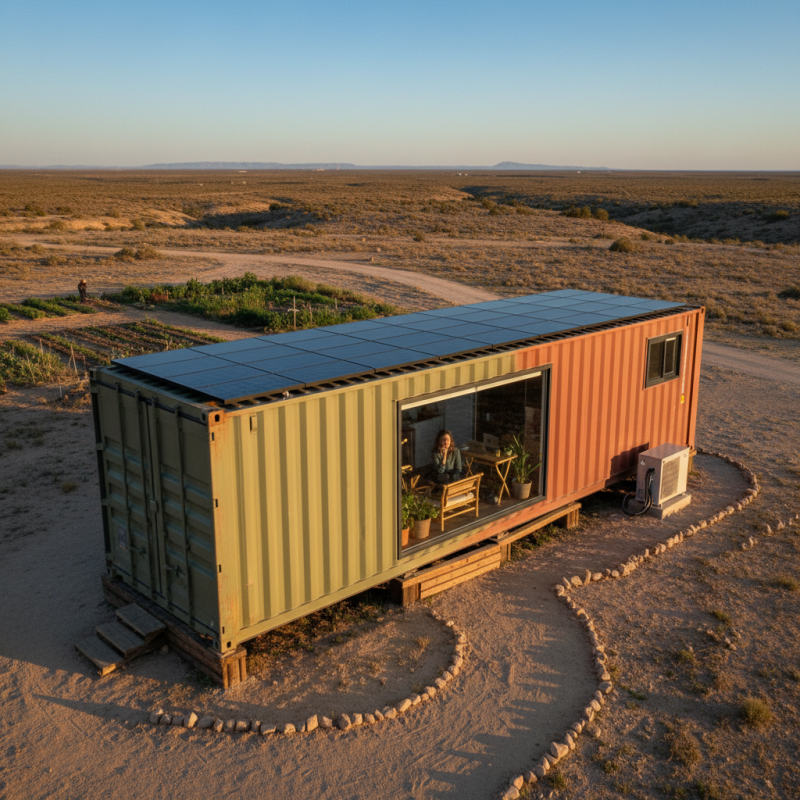
Solar containers represent a unique approach to sustainable living. These structures blend mobility and energy efficiency. They utilize solar panels to harness renewable energy. This method provides power while minimizing waste. Using shipping containers as a base, they can be outfitted for various needs.
Building a solar container involves several considerations. Think about insulation materials carefully. Not all materials will perform the same. Select materials that reduce thermal loss. Plan for natural light incorporation. Large windows can help reduce reliance on artificial lighting.
Tips:
- Utilize compact solar panels for efficiency.
- Position them for maximum sunlight exposure.
- Invest in battery storage to ensure energy availability during cloudy days.
- Consider ventilation systems to regulate temperature effectively.
Building a solar container may raise challenges. Mistakes can happen. It’s essential to reflect on what works and what doesn’t.
Designing the Structure: Key Considerations for a Solar Container
Designing a solar container involves various key considerations to ensure efficiency and sustainability. First, orientation matters. Positioning the container to maximize sunlight exposure is vital. Studies show that a south-facing angle can increase solar energy capture by up to 30%. This simple adjustment can significantly impact energy production.
Next, insulation plays a pivotal role. Effective insulation minimizes energy loss, which is crucial in maintaining comfortable living conditions. Materials like recycled denim or sheep's wool offer ecological benefits while providing thermal efficiency. Reports indicate that proper insulation can reduce heating needs by 50%. However, selecting the right materials requires careful thought about their lifecycle and environmental impact.
Ventilation is another critical factor. Fresh air circulation is essential for a healthy living space. Poor ventilation can lead to humidity issues and mold growth. Incorporating adjustable windows or roof vents can enhance airflow. Some designs also suggest using natural ventilation, which may reduce reliance on mechanical systems. Balancing these elements can be challenging, as each choice impacts both energy efficiency and occupant comfort. Thus, reflecting on design decisions is vital for ultimate success in sustainable living.
Selecting Solar Panels: Types and Efficiency for Optimal Performance
When building a solar container, choosing the right solar panels is crucial. There are several types available, each with distinct efficiencies. Monocrystalline panels tend to be the most efficient. They convert about 15-20% of sunlight into energy. These panels require less space but can be more expensive. Polycrystalline panels are a more affordable option. However, they are slightly less efficient, converting approximately 13-16% of sunlight. Choose wisely based on your space and budget.
Consider the location where the container will be placed. The amount of sunlight varies by region. If you live in an area with limited sun, investing in higher efficiency panels may be wise. However, if sunlight is abundant, lower efficiency panels might suffice.
Reflect on installation and orientation. Panels need to be properly angled to maximize sun exposure. An incorrect angle can drastically impact performance. Regular maintenance is also essential; dirt and debris can reduce efficiency. Sometimes, less is more, especially when simplicity allows for easier upkeep. There is always room to learn and adapt along the way.
Energy Storage Solutions: Batteries and Their Role in Solar Containers
Building a solar container for sustainable living involves careful consideration of energy storage solutions. Batteries play a crucial role in harnessing solar energy. They store excess energy produced during sunny days for use at night or on cloudy days. Lead-acid and lithium-ion are two popular battery types, but each has pros and cons. Lithium-ion batteries are efficient and compact, yet more expensive. Lead-acid batteries are cheaper but bulkier and less efficient.
Tips: Look for batteries with a high cycle life. Frequent charging and discharging can shorten battery lifespan. A solar container must balance cost and efficiency. Don’t overlook the importance of proper ventilation in your battery storage area. It helps prevent overheating.
Selecting the right battery size is pivotal. Underestimating capacity can lead to power shortages. Overestimating can waste resources and money. Conduct an energy audit to understand your needs better. This guarantees you choose the correct battery size, ensuring your solar container operates smoothly. Consider backups too; unpredictable weather can affect solar production. A reliable system is key to sustainable living.
How to Build a Solar Container for Sustainable Living? - Energy Storage Solutions | Component | Description | Benefits | Estimated Cost ($) |
| Solar Panels | Convert sunlight into electricity. | Renewable energy source, reduces energy bills. | 500 - 1500 |
| Battery Storage | Stores excess energy for later use. | Enables use of solar power at night. | 300 - 800 |
| Inverter | Converts DC to AC electricity. | Essential for powering household appliances. | 200 - 600 |
| Charge Controller | Regulates battery charging to prevent overcharging. | Increases battery life, prevents damage. | 100 - 300 |
| Container | Houses all solar components. | Portable and stackable living solution. | 2000 - 5000 |
Implementing Sustainable Practices: Water, Waste, and Resource Management
Building a solar container for sustainable living involves careful planning and execution. Water management is crucial in this setup. Collecting rainwater can provide an excellent source of fresh water. Use rain barrels to capture and store this precious resource. This can reduce dependency on municipal water systems. However, ensure the system is well-maintained to avoid contamination.
Waste management is equally important. Composting kitchen scraps can create nutrient-rich soil for your plants. Setting up a compost bin is simple. It requires minimal space and can significantly reduce landfill waste. Yet, it’s essential to monitor the compost to avoid unpleasant odors. Proper aeration and balance of greens and browns is key.
Resource management includes using sustainable materials for construction. Recycled wood and eco-friendly insulation can contribute to energy efficiency. Additionally, minimalism can reduce unnecessary consumption. However, it can be challenging to maintain this lifestyle amid consumer pressures. Reflecting on one’s needs versus wants can lead to a more fulfilling sustainable living experience. Being mindful of energy usage is just the start.