How to Change Your Cabin Filter for Better Air Quality?
The quality of air inside your vehicle significantly impacts your health. Poor choices in cabin air filters can lead to harmful pollutants circulating in your car. According to the Environmental Protection Agency (EPA), indoor air pollutants can be up to five times higher than outdoor levels. This statistic highlights the importance of maintaining your Cabin Filter.
Over time, your cabin filter accumulates dust, pollen, and harmful particulates. A clogged cabin filter not only affects air quality but also strains your car's heating and cooling systems. Many drivers overlook this critical maintenance task. In a recent study, it was found that 65% of vehicle owners are unaware of how often they should change their cabin filters. This lack of awareness can lead to serious repercussions.
Regularly changing your cabin filter can improve air quality effectively. A clean cabin filter can trap up to 99% of airborne particles, ensuring fresh air. Yet, some drivers may neglect proper maintenance, thinking that air quality issues will resolve on their own. This misconception can result in a less pleasant driving experience. Know your cabin filter. It can make a significant difference.
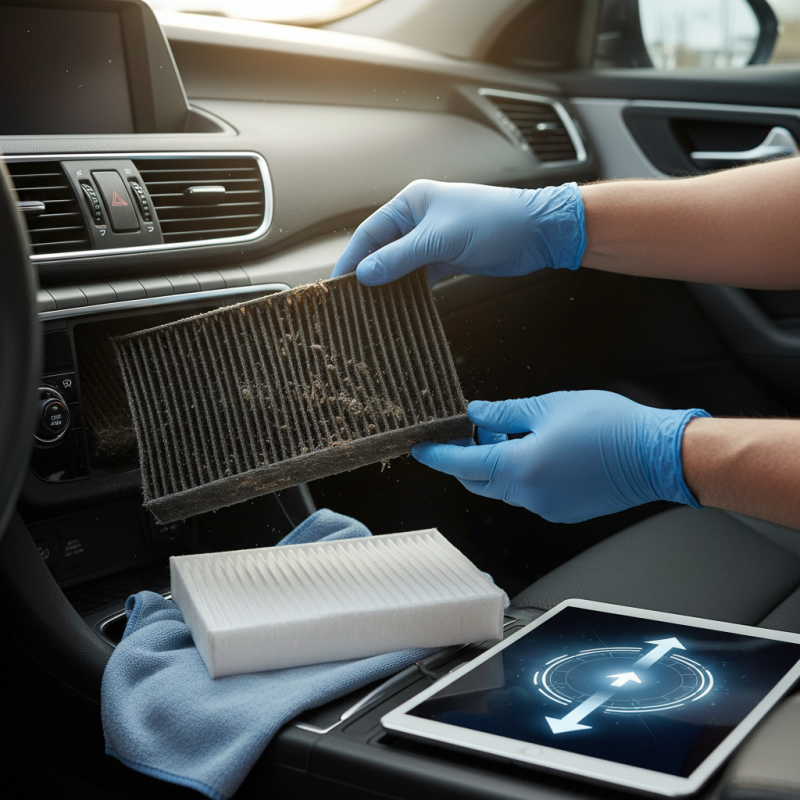
Understanding the Importance of Cabin Filters for Air Quality
Cabin filters play a vital role in maintaining air quality within vehicles. They trap dust, pollen, and other pollutants. Many drivers overlook this important component until problems arise. Over time, filters can become clogged. This decreases airflow and affects the atmosphere inside the car. Poor air quality can lead to discomfort and respiratory issues.
Regularly changing the cabin filter can significantly improve air quality. When the filter is clean, fresh air flows more easily. This can create a more pleasant driving experience. Drivers might notice fewer allergens in their vehicle. Check the owner's manual for replacement intervals. Some people forget or ignore this maintenance task. It is necessary, though. Neglecting the filter can lead to a build-up of harmful particles inside.
Keeping an eye on your cabin filter is essential for health and comfort. A clean filter can enhance overall well-being. It’s a small step that yields significant benefits. A lack of awareness might lead to health issues over time. Paying attention to this detail can make a big difference in air quality. Sometimes, we forget that small changes can lead to better living conditions.
Identifying the Right Cabin Filter for Your Vehicle Model
Identifying the right cabin filter is crucial for maintaining good air quality in your vehicle. Not all filters are the same. Each vehicle model has specific requirements. Using the wrong filter can lead to inefficient air flow. This issue might cause discomfort during drives. It’s essential to consult your owner’s manual for specifications. Many resources suggest that more than 50% of vehicles on the road have outdated filters. This statistic highlights the need for regular checks.
Pay close attention to the types of filters available. HEPA filters capture smaller particles effectively. They reduce allergens and improve air quality. Reports indicate that using HEPA filters can decrease harmful particles by over 99%. Standard filters might not achieve the same efficiency. Additionally, some vehicle owners overlook filter replacement schedules. Setting reminders can make a significant difference. Regular maintenance ensures that your air conditioning systems work optimally.
Choosing the correct filter not only enhances air quality but also boosts system performance. A well-functioning system improves fuel efficiency. Research shows that clean air reduces respiratory issues in drivers. Neglecting this aspect of vehicle maintenance can lead to long-term health risks. Be proactive and prioritize your vehicle’s air quality today, yet many continue to delay necessary changes. Reflecting on such decisions is essential for better health and comfort.
Step-by-Step Guide to Locating Your Cabin Filter
Locating your cabin filter is crucial for enhancing your vehicle's air quality. The cabin filter traps dust, pollen, and contaminants. Over time, it can get clogged, resulting in reduced airflow and poor air quality. According to the National Automotive Quality Assurance Agency, a clean cabin filter can improve air quality by up to 50%.
In general, the cabin filter is located behind the glove compartment. Start by removing any items stored there. Then, gently open the glove compartment fully. You might notice a few tabs that need to be pressed in. Sometimes this can be tricky, so take your time. If you feel resistance, check if any screws are holding it in place. Once the compartment swings down, you should see the filter cover.
Pull out the old filter carefully. It's vital to note how it was positioned. This ensures that the new filter goes in correctly. Some filters may have dirt or debris that can cause allergies. A study by the Environmental Protection Agency found that poor indoor air quality can increase respiratory problems. Thus, changing your cabin filter is not just good practice; it’s essential for your health.
Safely Removing and Replacing the Cabin Filter
Changing your cabin filter can significantly improve your vehicle's air quality. To do this safely, start by gathering your tools. You'll need a screwdriver, gloves, and the new filter. Make sure you're parked in a well-ventilated area. Safety is key, so turn off your engine first.
Next, locate the cabin filter compartment. It is often found behind the glove box. Remove any screws and gently pull the glove box down. It can be tricky. Be patient; don't force anything. After accessing the filter, carefully remove the old one. Pay attention to how it is installed. This detail will guide you when placing the new filter.
When inserting the new filter, ensure it fits snugly in place. Dust and debris may have accumulated, so avoid touching it too much. After replacing the filter, reattach the glove box. Check your work to ensure it’s securely closed. While it seems simple, many overlook this task, resulting in stagnation and poor air quality. Regular checks can make a difference in your driving experience.
Tips for Maintaining Clean Air Quality in Your Vehicle
Maintaining clean air quality in your vehicle is essential for health and comfort. Start by regularly checking your cabin filter. A clean filter traps dust, pollen, and other pollutants. Over time, these filters become clogged. You might not notice at first, but bad odors and reduced airflow are signs it's time for a change.
Consider your driving environment. If you often drive in heavy traffic or rural areas, your filter may need replacing more frequently. Take note of how often you’re exposed to dirt and allergens. An environment filled with smog can also affect air quality inside your car. Check your filter every few months.
Don’t forget about the importance of vent settings. Using the recirculate option can trap stale air inside. This can make things worse. Instead, try to bring in fresh outside air occasionally. Regularly wipe down interior surfaces to reduce dust buildup. Each small effort can lead to a healthier driving experience.
Air Quality Improvement After Cabin Filter Replacement
This bar chart illustrates the PM2.5 levels in micrograms per cubic meter (µg/m³) before and after the replacement of the cabin filter over different periods. Regular maintenance of your Cabin Air Filter can significantly improve air quality inside your vehicle.