

China Best Track Drive Motor Manufacturer Supplier?
Choosing the right China Track Drive Motor Manufacturer Supplier requires more than comparing prices or catalogue photographs. A reliable evaluation begins with operating conditions. Excavators, mini-loaders, drilling rigs, and agricultural machines demand different torque, speed, braking, and thermal performance.
Dr. Peter Nachtwey, a respected motion-control engineer, offers a practical principle: “A drive system should be selected for its real duty cycle, not its headline rating.” This view matters when reviewing Track Drive Motor suppliers. A motor may advertise high torque, yet struggle during continuous travel, steep climbing, or repeated starts. Ask for displacement data, peak pressure, case-drain limits, gear reduction ratios, and brake specifications. Request test records, not broad promises.
Look closely.
A dependable Chinese manufacturer should explain material grades, sealing design, machining tolerances, and final inspection procedures. Planetary gearbox noise, housing temperature, and shaft leakage reveal useful details during testing. Field experience also matters. Suppliers with installation feedback can often identify alignment errors before they become expensive failures.
However, no supplier is perfect. Even a strong factory may provide unclear documentation or inconsistent communication. That weakness deserves attention, not dismissal. Buyers should compare samples, verify production capacity, and confirm spare-parts support before signing a long-term agreement. Factory audits and independent technical reviews add confidence.
The best choice balances engineering evidence, service responsiveness, and total operating cost. A lower purchase price can become costly when downtime, oil contamination, or difficult maintenance appears later. This guide examines how to identify a Track Drive Motor partner that performs reliably under real working conditions.
What Is a Track Drive Motor and How Does It Work?
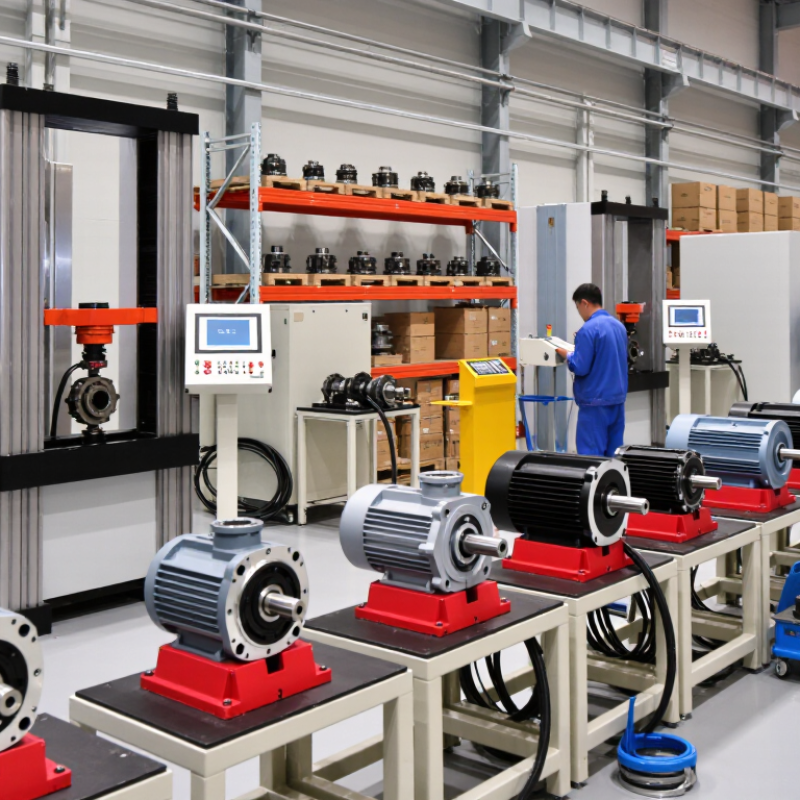
A track drive motor converts hydraulic energy into controlled track movement. It usually combines a hydraulic motor, planetary gearbox, brakes, and a sprocket. Pressurized oil enters the motor and turns its internal rotor. The gearbox then multiplies torque while reducing speed. The sprocket transfers that force to the track chain. Torque does the work.
In field inspections, pressure alone never tells the whole story. Flow controls travel speed, while displacement affects torque. A compact excavator may need high torque during a turn, but lower torque on firm ground. According to Off-Highway Research’s 2024 market analysis, more than one million construction machines were sold globally in 2023. That volume increases demand for reliable, serviceable travel drives. Research also shows that hydraulic efficiency directly influences fuel use and operating heat. Heat leaves clues. Discolored oil, noisy gears, or uneven travel can indicate leakage, contamination, or brake drag.
A dependable track drive motor supplier should verify rated pressure, displacement, reduction ratio, and thermal limits. The test should include cold starts, repeated counter-rotation, and loaded travel. ISO 4406 cleanliness codes help technicians assess hydraulic contamination before damage spreads. Still, specifications can mislead when duty cycles are unclear. A motor rated for peak pressure may fail under continuous heat. The better selection matches machine weight, terrain, travel speed, and maintenance habits. A perfect calculation is rare in muddy conditions. Practical testing remains necessary.
Key Features of a Reliable Track Drive Motor Manufacturer
China Best Track Drive Motor Manufacturer Supplier?
Key Features of a Reliable Track Drive Motor Manufacturer
A reliable track drive motor manufacturer understands real jobsite pressure. Mud, steep slopes, heavy loads, and long operating hours expose weak designs quickly. Experienced engineers should match motor torque, travel speed, and machine weight before recommending a model. A suitable hydraulic motor should provide stable output under changing loads. It should also use durable planetary gearing and carefully sealed bearings.
Manufacturing quality needs more than a polished catalogue. Look for documented material control, precision machining, and consistent assembly procedures. Each motor should receive pressure, leakage, noise, and load testing before shipment. Clear test reports make technical decisions easier. Useful suppliers also explain efficiency, brake capacity, mounting dimensions, and oil requirements without hiding limitations.
After-sales support matters when a machine stops in a remote area. A dependable supplier provides installation guidance, spare parts, service drawings, and responsive technical communication. Warranty terms should be clear and realistic. In my experience, small details often decide reliability. Accurate packaging can prevent damage during transport. Fast answers can reduce downtime.
No manufacturer is perfect. Some suppliers may offer impressive torque figures but provide limited field data. Ask for application references and maintenance intervals. Check whether the proposed motor fits your actual working conditions, not just a laboratory test. A careful supplier welcomes these questions and admits when another configuration may work better. That honesty is valuable.
How to Evaluate Track Drive Motor Suppliers in China
Choosing the best track drive motor supplier in China requires more than comparing prices. Start with torque, displacement, pressure ratings, and motor speed. Ask for complete datasheets, assembly drawings, and material specifications. A serious supplier should explain how its motor performs on steep, muddy sites and under repeated shock loads.
The 2024 Off-Highway Research market review reported global construction equipment demand at roughly 1.1 million units in 2023. That scale increases pressure on suppliers to deliver stable production, not only attractive samples. Check machining tolerances, heat-treatment records, cleanliness testing, and end-of-line performance data. ISO 9001 matters, but certification alone proves little. The ISO Survey 2023 recorded more than 1.26 million ISO 9001 certificates worldwide, so process evidence remains essential.
Request three tested samples from separate production batches. Measure starting torque, leakage, noise, temperature rise, and efficiency. Compare results with the supplier’s declared values. Also inspect test equipment calibration dates and traceability records. Ask how warranty claims are analyzed. Weak answers often reveal weak engineering control. Lead time deserves attention too; a low quote can become expensive when seals, valves, or replacement parts arrive late. Factory audits, video inspections, and independent pre-shipment tests reduce uncertainty. Still, no audit predicts every failure. I would leave room for doubt. A field trial on the actual excavator remains the most useful evidence.
Manufacturing Standards and Quality Control for Track Drive Motors
A reliable track drive motor supplier should show more than attractive specifications. Manufacturing begins with controlled materials, documented drawings, and traceable production batches. In China, capable factories often follow ISO 9001 quality systems, but certification alone proves little. Engineers should verify steel grades, bearing records, gear hardness, and heat-treatment results. Every housing needs accurate machining. Small alignment errors can create noise, leakage, or uneven track movement.
Quality control must continue after assembly. Technicians should inspect sealing surfaces, measure hydraulic pressure, and test output torque under realistic loads. Endurance testing can reveal oil temperature increases, gear wear, and abnormal vibration. Noise checks matter too. A motor may pass a short bench test, yet fail after several hours in muddy conditions. This is where factory experience becomes valuable. Still, no production process is perfect. Sampling plans can miss rare defects, and some suppliers should improve their feedback systems. Reliable manufacturers record failures honestly and adjust tooling, inspection limits, or operator training.
Tips: Request inspection reports, batch traceability, pressure-test data, and endurance-test results. Ask how rejected parts are handled. Confirm whether final testing matches your excavator or tracked machine’s working conditions. A clear answer is useful. Vague promises are not. Get a sample motor evaluated before placing a large order, and review performance after installation.
Applications, Customization, and After-Sales Support Options
Track drive motors serve demanding equipment, from excavators and mini loaders to tracked carriers and agricultural machines.
Each application creates different torque, speed, heat, and terrain requirements. A motor used on muddy farmland needs stronger sealing than one operating indoors. On rocky sites, impact resistance matters more than peak travel speed.
Field engineers should review duty cycles, hydraulic pressure, load distribution, and available installation space before selecting a supplier. Small details often decide service life.
Customization may include displacement, reduction ratio, mounting dimensions, brake configuration, port locations, and sensor options.
Seal materials can also be adjusted for dust, water, or temperature exposure. Not every custom request deserves approval. A rushed modification can weaken efficiency or complicate future repairs.
Good technical teams compare drawings, hydraulic data, and test results before production. They should explain limitations clearly, even when the answer is inconvenient. That honesty builds practical trust.
After-sales support should continue beyond delivery.
Clear installation instructions, commissioning guidance, and maintenance intervals reduce early failures. Useful suppliers keep seals, bearings, and other service parts available.
They also provide troubleshooting based on symptoms, such as slow travel, uneven rotation, or abnormal noise. Warranty handling should include evidence review and failure analysis, not automatic blame.
In real projects, mistakes happen during installation. A reliable support process helps identify them without hiding manufacturing problems. Response time matters, especially when one failed motor can stop an entire machine.