Why Choose Aerogel Blanket for Superior Insulation Benefits?
In the world of insulation, the Aerogel Blanket stands out for its unparalleled effectiveness. Dr. Emily Carter, a renowned expert in thermal materials, once stated, "Aerogel Blankets revolutionize insulation technology." This innovative product showcases exceptional thermal performance while remaining lightweight and flexible.
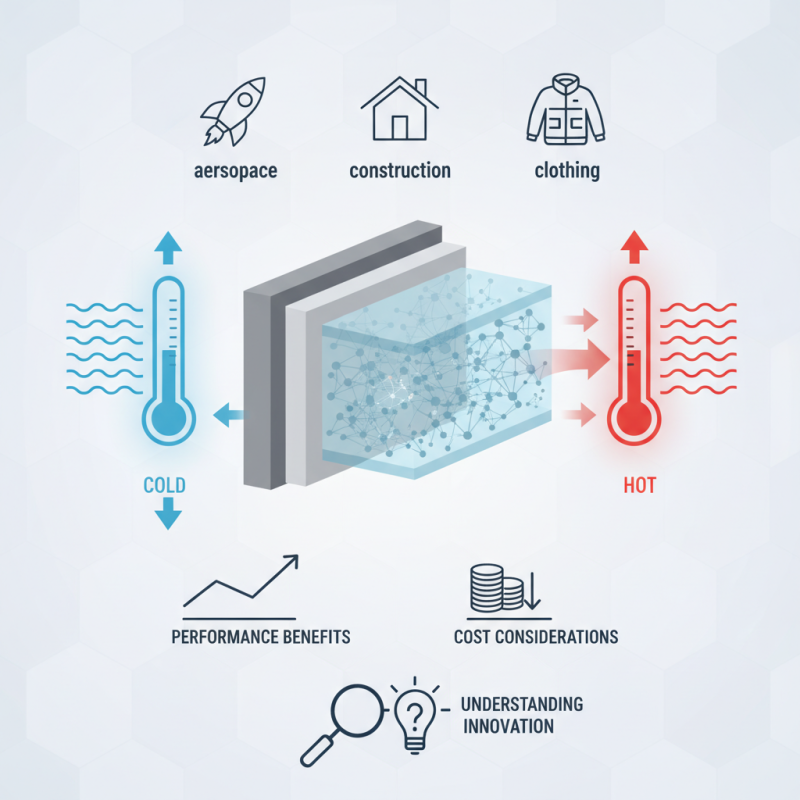
The unique properties of Aerogel Blankets provide significant advantages in various applications. They are utilized in aerospace, construction, and even in clothing. However, the high cost can be a barrier for some industries. Implementation requires careful consideration of budget constraints versus performance benefits.
Despite its impressive qualities, not everyone fully understands how Aerogel Blankets work. Some may perceive them as just another modern material. Yet, a closer look reveals their potential to redefine insulation standards. Exploring these benefits can lead to more informed choices in material selection.
Understanding Aerogel: The Science Behind Its Insulating Properties
Aerogel has gained immense popularity for its superior insulating properties. This lightweight material, often referred to as "frozen smoke," is composed of up to 99.8% air. The structure of aerogel features a network of interconnected pores that contributes to its remarkable thermal insulation capabilities. Studies reveal that aerogel can provide thermal resistance values exceeding R-10 per inch. This performance is unmatched by traditional insulation materials.
The science behind aerogel's effectiveness lies in its unique composition. The small pore size limits the movement of air, reducing heat conduction significantly. According to a 2021 report from the U.S. Department of Energy, aerogel displays a thermal conductivity as low as 0.013 W/mK. This property allows aerogel blankets to insulate even in extreme temperature environments. However, the cost of aerogel production often raises concerns. Many industries see it as a high-end solution, questioning whether the benefits justify the investment.
Some applications showcase aerogel's potential flaws. While aerogel blankets are effective, they can be brittle and less durable compared to other options. This can raise questions during installation and maintenance. Users must consider the longevity of the material. Despite these concerns, the performance metrics make aerogel a fascinating option for anyone seeking efficient insulation.
Why Choose Aerogel Blanket for Superior Insulation Benefits?
Aerogel blankets provide superior insulation compared to traditional materials. The bar chart above illustrates the R-Value per inch for various insulation materials, highlighting the exceptional performance of aerogel blankets.
Comparing Aerogel Blankets to Traditional Insulation Materials
Aerogel blankets have emerged as a revolutionary option in insulation technology. These materials are significantly lighter than traditional insulations yet provide superior thermal resistance. In buildings, they can keep warmth in during winter and block heat in summer. This efficiency makes them attractive for energy-conscious constructions.
Traditional insulation materials, like fiberglass or foam, offer reasonable performance but come with limitations. They can be heavy and bulky, often taking up valuable space. Additionally, they may lose performance over time due to settling or moisture absorption. In contrast, aerogel blankets maintain their integrity longer and resist moisture, ensuring consistent performance.
However, a few concerns linger with aerogel blankets. Their costs may be higher than conventional materials. Not everyone may find the advantages worth the investment. Plus, some installation methods require careful handling due to their fragile nature. Users must weigh both sides before making decisions.
Applications of Aerogel Blankets in Various Industries
Aerogel blankets have become increasingly popular in various industries due to their unique properties. These blankets offer superior insulation benefits, making them ideal for both commercial and residential applications. In construction, aerogel blankets can be used in walls and roofing systems, providing enhanced thermal insulation. This helps reduce energy costs by maintaining stable indoor temperatures.
In the aerospace industry, aerogel blankets are essential for lightweight insulation in spacecraft and aircraft. Their ability to withstand extreme temperatures is a game-changer. A key application involves using these blankets in spacecraft to protect sensitive equipment during launches and re-entries. In energy sectors, they aid in the insulation of pipelines, ensuring efficient temperature control.
Tips for using aerogel blankets include ensuring a proper fit. Gaps can lead to energy loss. Consider layering these blankets for added insulation in colder climates. Finally, ensure regular maintenance to preserve their properties. Using aerogel options may appear costlier upfront, yet they often result in long-term savings through reduced energy usage. The challenges in sourcing quality aerogel material should also not be overlooked, as not all products meet the same standards.
Benefits of Using Aerogel Blankets for Home Insulation Projects
When considering home insulation projects, aerogel blankets stand out for their unique properties. These lightweight materials offer impressive thermal resistance. They can significantly reduce energy loss in homes, making them highly efficient. The ultra-thin design enables greater freedom in installation, allowing homeowners to utilize space effectively. In an era of rising energy costs, this insulation can lead to noticeable savings.
Aerogel blankets are also resistant to moisture. This quality prevents mold and mildew, contributing to a healthier living environment. While their efficiency is undeniable, some may wonder about initial costs. Although they can be pricier than traditional options, the long-term benefits may outweigh these concerns. Moreover, installation requires careful attention to detail; mismatched seams can lead to inefficiencies.
Homeowners should weigh the benefits against the challenges. The science behind aerogel is fascinating, yet unpredictable at times. Understanding the unique needs of each space is crucial. Reflection on this can lead to better decisions. Ultimately, choosing aerogel blankets may enhance both comfort and energy efficiency in ways that traditional options cannot match.
Environmental Impact and Sustainability of Aerogel Materials
Aerogel materials stand out in the world of insulation. Their lightweight nature and superior thermal properties make them an intriguing choice for sustainable solutions. Unlike traditional insulation, aerogels generate low waste during manufacturing. This can help reduce the overall carbon footprint. It's essential to recognize that while aerogels are eco-friendly, their production process does consume energy.
The environmental impact of aerogel usage also deserves attention. These materials can last for years, minimizing the need for replacements. In some cases, this longevity offsets initial resource investment. However, we must consider disposal methods. Many aerogels are not biodegradable. They may contribute to landfill waste if not managed properly.
In terms of sustainability, the benefits of aerogel blankets can be significant. They provide excellent thermal performance, which leads to energy savings. Buildings that use aerogel can reduce heating costs effectively. Still, we need to reflect on the overall lifecycle of these materials. Finding ways to recycle or repurpose aerogels is vital for a truly sustainable future. Balancing innovation with environmental responsibility remains a challenge.
Why Choose Aerogel Blanket for Superior Insulation Benefits? - Environmental Impact and Sustainability of Aerogel Materials
| Insulation Type | Thermal Conductivity (W/m·K) | Thickness (mm) | Environmental Impact | Sustainability Rating |
| Aerogel Blanket | 0.013 | 10 | Low | A |
| Fiberglass Insulation | 0.035 | 100 | Moderate | C |
| Foam Board Insulation | 0.023 | 50 | Moderate | B |
| Mineral Wool Insulation | 0.040 | 100 | High | D |
| Cellulose Insulation | 0.039 | 150 | Low | B+ |