Why Choose Flexible Busbar for Your Electrical Needs?
In today's fast-evolving electrical landscape, the need for reliable solutions is evident. One such solution that stands out is the Flexible Busbar. This innovative component offers versatility in electrical applications. Its unique design allows for easier installation and adaptability in tight spaces.
Choosing the right electrical solution can be overwhelming. Many options are available, but not all are effective. Flexible Busbars provide the strength of traditional busbars while offering more flexibility. They can accommodate various configurations, making them suitable for different environments. This adaptability helps reduce installation time, a crucial factor for many projects.
Not every electrical solution meets every need. While some might find rigid busbars sufficient, those facing space constraints or dynamic layouts often struggle. The Flexible Busbar is a strategic choice. It supports more efficient energy distribution and helps maintain system reliability. Investing in such solutions ensures long-term benefits, making it a worthy consideration for your electrical needs.
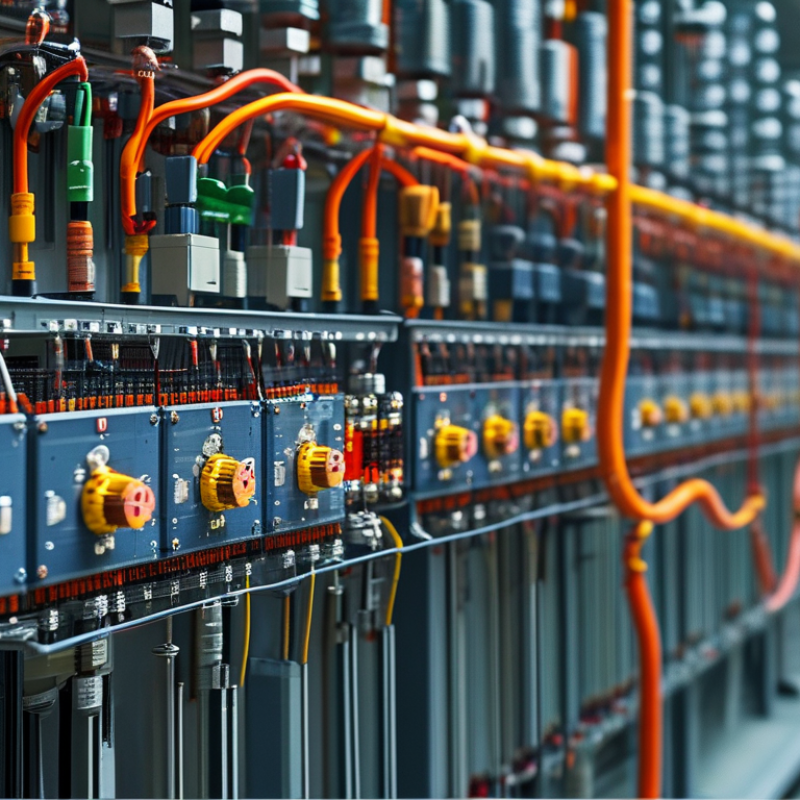
Understanding Flexible Busbars: An Overview of Their Design and Functionality
Flexible busbars are an innovative solution for electrical distribution. Their design allows for adaptability in installation. Unlike traditional rigid busbars, they can bend and twist to fit various configurations. This feature is ideal for complex spaces where rigid systems would struggle.
The functionality of flexible busbars is impressive. They are made from multiple conductors, often copper or aluminum. This construction enhances their current-carrying capacity while maintaining a lightweight profile. Furthermore, they can absorb vibrations and heat changes, reducing wear over time.
However, not all designs are flawless. Some users report that flexibility can sometimes lead to misalignment during installation. This might create hotspots or uneven current distribution. Understanding these potential issues is key to effective implementation. Exploring these factors ensures that flexible busbars meet specific electrical needs reliably.
Why Choose Flexible Busbar for Your Electrical Needs? - Understanding Flexible Busbars: An Overview of Their Design and Functionality
| Characteristic | Description |
| Material | Copper, Aluminum |
| Flexibility | Can be bent and shaped for various applications |
| Current Rating | Up to 1000 A or more |
| Application Areas | Power distribution, rail systems, industrial machinery |
| Installation | Easy to install and modify as needed |
| Heat Dissipation | Better than solid conductors, reduces overheating risk |
| Cost Efficiency | Cost-effective for high-density applications |
The Advantages of Using Flexible Busbars in Electrical Systems
Flexible busbars are becoming increasingly popular in modern electrical systems. Their adaptability allows for easy installation in various environments. Unlike traditional rigid busbars, flexible busbars can fit into tight spaces, ensuring efficient use of available areas. This is particularly useful in industrial settings where equipment layout can change frequently.
The primary advantage of flexible busbars lies in their ability to handle thermal expansion. In electrical systems, components can heat up and expand. Rigid connections may break under stress, while flexible busbars can accommodate movement. This reduces maintenance costs over time and enhances system reliability.
Moreover, flexible busbars often weigh less than their rigid counterparts. This reduces the load on mounting structures, simplifying the design of electrical systems. However, some may worry about their long-term durability. Regular inspections are vital to ensure they continue to perform well. Understanding these factors can help decision-makers choose the right solutions for their electrical needs.
Advantages of Using Flexible Busbars in Electrical Systems
Key Applications of Flexible Busbars Across Various Industries
Flexible busbars are essential in various industries due to their versatility and efficiency. They provide reliable electrical connections where traditional wiring might fall short. In manufacturing plants, for instance, flexible busbars are often used to power heavy machinery. Their ability to bend and adapt allows for easier installation in tight spaces.
In renewable energy setups, flexible busbars play a crucial role. They facilitate the connection of solar panels to inverters. This flexibility helps in optimizing space on rooftops and ground installations. Furthermore, in data centers, busbars ensure efficient distribution of power to racks and servers. Their compact design helps manage heat dissipation, which is vital in high-performance environments.
While flexible busbars offer many benefits, they are not without challenges. Ensuring proper insulation and maintaining connections can be tricky. Installation requires skilled personnel to avoid potential safety hazards. As industries evolve, the demand for more specialized and adapted solutions continues to grow. This need reflects both the opportunities and the complexities of using flexible busbars in electrical systems.
Comparing Flexible Busbars to Traditional Busbar Solutions
Flexible busbars are gaining attention as a modern solution for electrical distribution needs. Unlike traditional rigid busbars, these flexible alternatives offer adaptability and ease of installation. A study published by the Electric Power Research Institute (EPRI) highlights that flexible busbars can reduce installation time by up to 30%. This efficiency can lead to significant cost savings during large-scale electrical projects.
Traditional busbars often require extensive modifications to fit different layouts. Contrarily, flexible busbars can adjust to varying designs, making them ideal for dynamic environments. The Institute of Electrical and Electronics Engineers (IEEE) reports that flexible busbars can sustain higher degrees of thermal expansion and can handle shocks better than their rigid counterparts. This ability is crucial in avoiding potential damage and ensuring reliable performance over time.
However, there are challenges to consider. Some engineers note that flexible busbars may have lower current ratings compared to traditional options. In certain high-demand applications, this limitation could affect performance. It's essential to assess specific project requirements thoroughly. Additionally, the material quality plays a crucial role. Not all flexible busbars are created equal, which raises questions about longevity and efficiency. Proper evaluation and industry knowledge are vital for making informed choices in this evolving landscape.
Installation and Maintenance Tips for Flexible Busbars
When installing flexible busbars, it's crucial to follow sound practices for optimal performance. Flexible busbars are vital in modern electrical systems due to their adaptability and ease of installation. They can handle high current loads effectively, reducing the risk of overheating. According to a recent industry report, flexible busbars can carry up to 2000 Amps, making them suitable for various applications.
Proper installation techniques include ensuring a secure connection to minimize resistance. Tightening connections adequately can prevent electrical failure. Visual inspections after installation can reveal potential areas of concern. Regular maintenance checks are essential to identify wear or corrosion. Studies show that neglected busbars lead to a 15% increase in equipment failure rates.
Pay attention to environmental factors as well. Dust and moisture can significantly impact performance. Installing dust covers can help maintain cleanliness. Regular cleaning protocols should be established, especially in high-traffic areas. Maintaining a proactive approach can enhance longevity and reliability. Acknowledging these factors will lead to better performance and fewer issues down the line.