Why Choose an Industrial PC for Your Business Needs?
In today's fast-paced industrial landscape, choosing the right computing solutions is crucial. An Industrial PC stands out as a reliable option for various business needs. These devices are designed to withstand harsh environments, offering robust performance where traditional computers might fail.
Industrial PCs meet high standards for durability and efficiency. They often feature stronger enclosures and enhanced cooling systems. This durability translates into less downtime and lower maintenance costs for businesses. Investing in an Industrial PC can yield long-term benefits. It promises consistent performance in manufacturing, automation, and other critical applications.
Many businesses may overlook the advantages of Industrial PCs. They might wonder if the cost justifies the benefits. However, the return on investment becomes clear through reliability and efficiency. Companies that embrace Industrial PCs often experience fewer disruptions. This choice enhances productivity and supports growth. As industries evolve, so do the demands placed on technology. Therefore, making an informed decision about Industrial PCs is essential for future readiness.
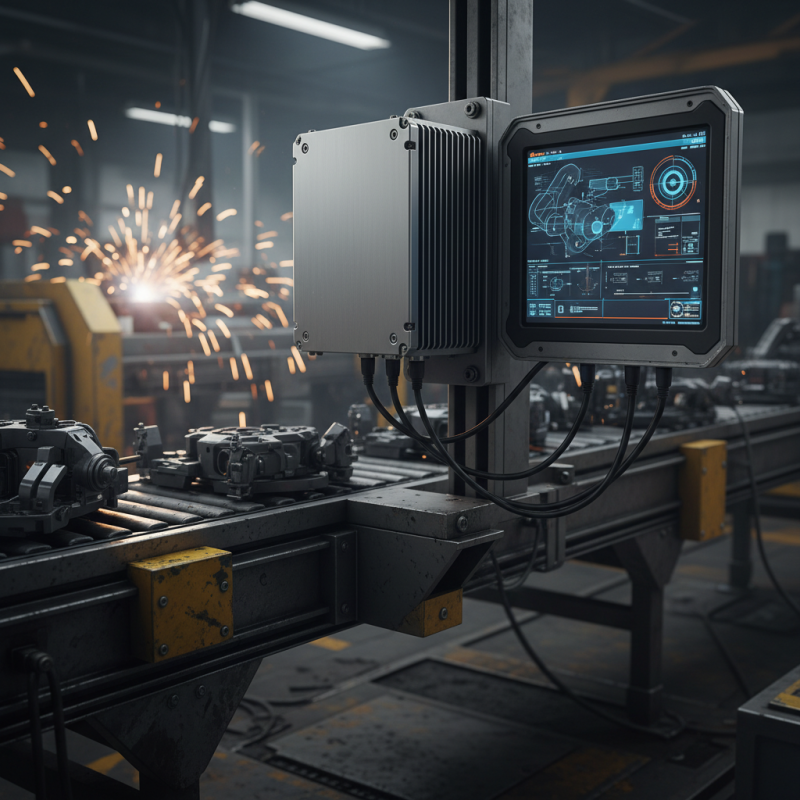
Benefits of Industrial PCs Over Standard Computers
Industrial PCs are purpose-built for robust environments. They excel where standard computers may falter. One major benefit is durability. Industrial PCs are designed to withstand extreme temperatures, vibrations, and dust. Research shows that they can last up to 10 years longer than conventional systems.
Reliability is another key factor. Studies indicate that industrial PCs have a failure rate of just 0.1%. This is significantly lower than typical consumer-grade devices, which can exceed 5% failure rates. The lower downtime directly translates to increased productivity. Operational efficiency is crucial in a competitive landscape.
Tip: When selecting an industrial PC, consider the specific environmental conditions it will face. Ensure it meets your requirements in terms of temperature and exposure to contaminants.
Moreover, industrial PCs offer better performance for specialized applications. With advanced processing power, they handle complex tasks like data analytics and real-time monitoring seamlessly. This capability can help businesses adapt to ever-evolving industry demands.
Tip: Perform a thorough analysis of your business needs. Choose an industrial PC that aligns with your current operations and future growth.
With their unique advantages, industrial PCs are becoming essential tools for many businesses. They ensure stability and longevity, giving organizations a competitive edge in today’s market.
Key Features to Consider When Selecting an Industrial PC
When selecting an industrial PC, there are several key features to keep in mind. The operating environment is crucial. Industrial PCs often face extremes in temperature and humidity. According to recent reports, around 30% of system failures in harsh environments are due to inadequate cooling and unsealed systems. Ensuring water and dust resistance is fundamental for longevity.
Processing power is another consideration. Many industrial tasks demand high performance. Studies show that 70% of businesses benefit from investing in PCs with multi-core processors. This choice enhances efficiency and supports multitasking capabilities. Make sure to analyze the specific applications your business will run.
Tips: Look for systems that comply with industry standards like IP and NEMA ratings. These ratings will ensure your PC can withstand the intended environment. Also, consider modular designs. This flexibility allows for easy upgrades without replacing entire systems, saving you time and money in the long run.
Finally, don't underestimate the role of support and warranty services. A significant percentage of downtime stems from hardware failures. Research suggests that access to reliable technical support can reduce this risk substantially. Prioritize vendors who offer robust service agreements and technical assistance tailored to industrial applications.
Key Features of Industrial PCs
This bar chart illustrates the importance of five key features when selecting an industrial PC. Durability is rated the highest, indicating it is a critical factor for reliability in industrial environments. The temperature range and processing power also play significant roles in performance and versatility.
Applications of Industrial PCs in Various Industries
Industrial PCs (IPCs) serve critical roles across diverse industries. They excel in environments with harsh conditions and heavy data requirements. For instance, in manufacturing, IPCs manage real-time data processing. According to a recent report by MarketsandMarkets, the global industrial PC market is expected to reach $5.08 billion by 2025, reflecting a rapid growth as industries adapt to digital transformation.
In the energy sector, IPCs are vital for monitoring systems. They ensure that operations remain uninterrupted and efficient. The integration of IPCs with IoT devices can enhance predictive maintenance. However, reliance on technology also raises concerns regarding cybersecurity vulnerabilities. Companies must continually evolve their security protocols to mitigate risks.
The food and beverage industry benefits similarly from IPCs. They improve automation in production lines and quality control processes. A study by Frost & Sullivan indicates that automation can reduce operational costs by up to 30%. Yet, the challenge of integrating legacy systems remains. Many businesses struggle to update old machines while maintaining productivity. This highlights the need for strategic planning in adopting IPC solutions.
Cost Efficiency and Longevity of Industrial PC Solutions
Industrial PCs (IPCs) offer significant advantages when it comes to cost efficiency and longevity. A recent industry report indicates that companies using IPCs can save up to 30% on maintenance costs. This is mainly due to their rugged design. They can withstand harsh environments, which prolongs their operational lifespan. Traditional PCs may fail in demanding settings, leading to costly downtimes.
Moreover, IPCs typically have longer life cycles than standard computers. While regular PCs may need replacement every three to five years, IPCs can last up to ten years with minimal upgrades. This longevity translates into lower total cost of ownership (TCO). The TCO for an IPC is often 15-20% lower over its lifespan compared to commercial-grade systems. Investing in IPCs is more than just a purchase; it’s a long-term strategy.
However, it’s essential to consider that initial costs might be higher. Some businesses hesitate due to upfront investments. But the savings on repairs and replacements justify this expense over time. Companies must reflect on their operational needs. Balancing initial investment with long-term savings can lead to better decision-making for the future.
Why Choose an Industrial PC for Your Business Needs? - Cost Efficiency and Longevity of Industrial PC Solutions
| Feature | Industrial PC | Traditional PC |
| Lifespan | Up to 10 years | 3-5 years |
| Cost of Ownership | Lower long-term | Higher due to more frequent replacements |
| Temperature Tolerance | -40°C to 70°C | Limited; typically 0°C to 50°C |
| Dust and Moisture Resistance | IP65 rated | No specific rating |
| Customization | High | Limited |
| Support for Legacy Systems | Yes | Often not supported |
| Energy Efficiency | Higher efficiency | Generally lower |
Future Trends in Industrial PC Technology and Their Implications
The industrial PC sector is undergoing rapid transformation. Predictions show a compound annual growth rate (CAGR) of around 7.5% from 2023 to 2028. Businesses are adapting to these advances in technology. New features are emerging, driven by automation and data analytics.
One noteworthy trend is the rise in AI integration in industrial PCs. An estimated 30% of all industrial systems will utilize AI by 2025. This integration can boost efficiency. However, it also raises concerns about data security and system reliability. Manufacturers must prioritize robust cybersecurity measures.
Edge computing is another vital area. By processing data closer to the source, latency decreases significantly. Reports suggest a reduction in response time by 50%, enhancing real-time decision-making. Businesses might question if they are prepared for this shift. Some may still rely on outdated systems that limit their potential. Therefore, reevaluating existing infrastructure becomes crucial to stay competitive.