Why Choose a Lithium Ion Battery Pack for Your Needs?
In today's fast-paced world, choosing the right energy source is crucial. The demand for reliable power solutions is ever-increasing. Lithium ion battery packs have emerged as a go-to option for many applications. Dr. Emily Carter, a renowned expert in battery technology, stated, "Lithium ion batteries offer a mix of efficiency and longevity that is hard to beat."
These battery packs excel in energy density. They are lighter and take up less space than traditional batteries. This can be a game changer for electric vehicles and portable devices. Their fast charging capability also stands out. However, they come with challenges. Proper management is essential to ensure their lifespan and safety. Many users overlook maintenance, leading to unexpected failures and reduced performance.
Despite these concerns, the benefits of a Lithium Ion Battery Pack often outweigh the drawbacks. They can be the perfect fit for your specific needs, provided the proper precautions are taken. When making your choice, consider both the advantages and the responsibilities that come with them.
The Evolution of Lithium Ion Battery Technology and Its Impact
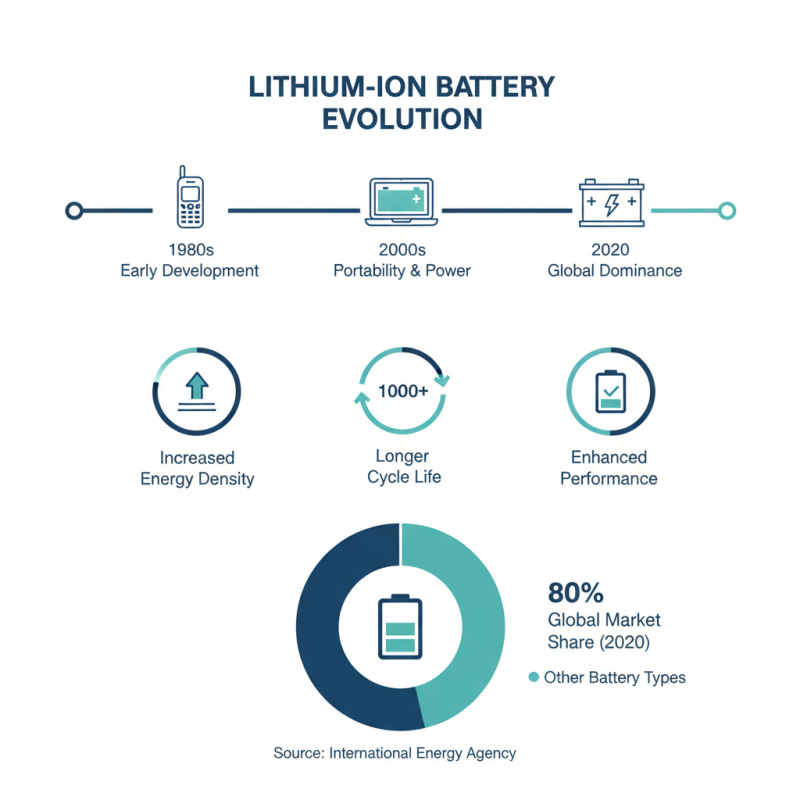
Lithium ion batteries have undergone significant evolution over the past few decades. Initially developed in the 1980s, this technology has transformed energy storage. According to a report by the International Energy Agency, lithium ion batteries accounted for over 80% of the global battery market by 2020. This dominance reflects their improvements in energy density, cycle life, and overall performance.
However, not all aspects are perfect. The production of lithium ion batteries often involves environmental concerns, such as resource extraction and waste management. A study by the Journal of Cleaner Production noted that lithium mining leads to water depletion and ecosystem disruption. Such dark aspects require industry reflection and innovation towards sustainable practices.
Moreover, the charging times and thermal stability still present challenges. Users frequently face issues with slow charging times. Battery safety is a concern, as overheating can lead to failures. A report from the U.S. Department of Energy highlighted incidents related to battery fires due to thermal runaway. As lithium ion technology evolves, addressing these challenges remains crucial for meeting consumer needs effectively.
Key Advantages of Lithium Ion Batteries Over Other Types
Lithium ion batteries have become a popular choice for many applications. They offer several advantages over traditional battery types. With a high energy density, these batteries can store more energy in a smaller size. This is crucial for portable devices. Research indicates that lithium ion batteries have up to 150 Wh/kg energy density, significantly more than lead-acid batteries, which average around 30 Wh/kg.
Additionally, lithium ion packs have a longer lifespan. They can typically endure 500 to 2,000 charge cycles. In contrast, nickel-cadmium batteries only manage around 1,000 cycles. This means fewer replacements, which saves money and reduces waste. However, the performance of lithium ion batteries can degrade if not properly managed. Users must be aware of temperature extremes and overcharging risks.
Another significant advantage is their fast charging capability. Many lithium ion batteries can reach 80% charge in just 30 minutes. This is advantageous in emergency situations or for users on the go. Yet, this rapid charging can also create heat, posing safety concerns. Balancing speed and safety remains a critical discussion in the industry. As technology advances, manufacturers are continually working on optimizing these aspects.
Why Choose a Lithium Ion Battery Pack for Your Needs?
This bar chart compares key performance metrics between Lithium Ion batteries and Lead Acid batteries. Lithium Ion batteries offer significant advantages in energy density, cycle life, and charging speed, making them a preferred choice for modern applications.
Performance Metrics: Capacity, Lifespan, and Efficiency Compared
When considering battery options, lithium-ion packs stand out for their exceptional performance metrics. Their capacity can range significantly, allowing for choices that best fit your needs. A pack's capacity directly influences how long it will power your devices, making it a key factor in selection.
Lifespan is another critical metric. Lithium-ion batteries generally last longer than traditional types, with many offering over 500 charge cycles. This longevity means less frequent replacements, which can save you money and reduce waste. However, the lifespan can vary based on usage and environmental factors. Extreme temperatures, for instance, can shorten their life.
Efficiency is a strong point for lithium-ion batteries. They have a high energy density, delivering more power in a smaller package. This efficiency is crucial for portable devices. Keep in mind, overcharging or discharging too deeply can harm efficiency over time.
**Tip:** Store your battery in a cool, dry place to extend its lifespan. Regularly check for signs of damage, as even minor issues can impact performance. **Tip:** Avoid leaving your battery fully charged for long periods. It’s better to keep it between 20% and 80% for optimal use.
Why Choose a Lithium Ion Battery Pack for Your Needs? - Performance Metrics: Capacity, Lifespan, and Efficiency Compared
| Metric |
Lithium Ion |
Lead Acid |
Nickel Cadmium |
| Capacity (Ah) |
100 |
60 |
50 |
| Lifespan (Cycles) |
2000 |
500 |
1000 |
| Efficiency (%) |
95 |
85 |
70 |
| Self-Discharge Rate (%) |
5 |
15 |
30 |
| Weight (kg) |
15 |
30 |
25 |
Safety Considerations and Innovations in Lithium Ion Battery Design
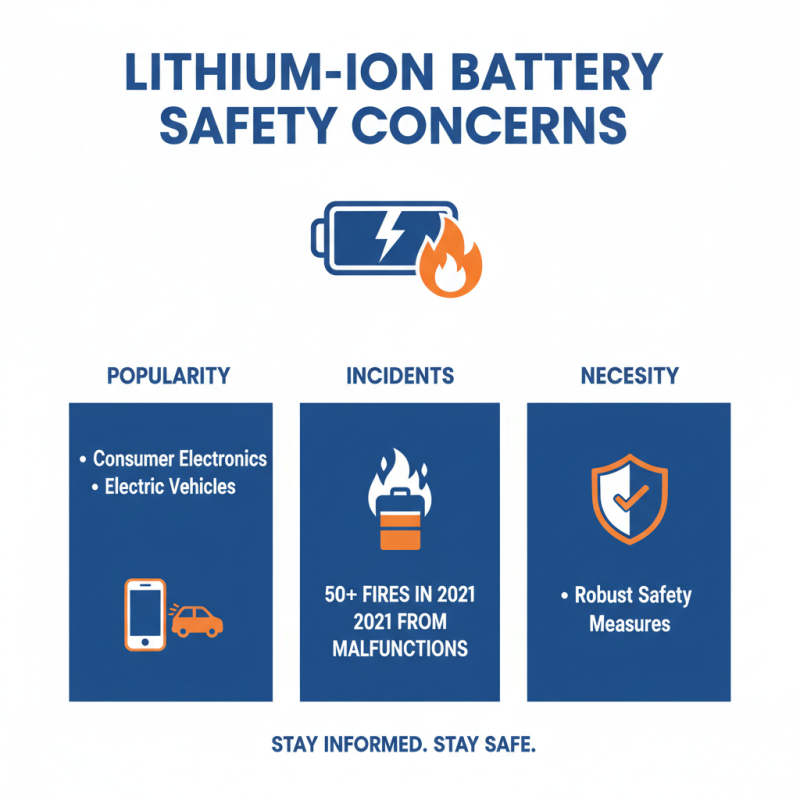
Lithium-ion batteries have gained immense popularity, especially in consumer electronics and electric vehicles. With the rise of battery-related incidents, safety has emerged as a primary concern. In recent reports, it was noted that battery malfunctions caused approximately 50 fires in 2021 alone. These incidents highlight the necessity for robust safety measures.
Innovations in battery design aim to address safety issues. For instance, manufacturers are now incorporating electrolyte additives that reduce flammability. This change can decrease the risk of thermal runaway, a leading cause of battery fires. Research from industry experts predicts that by 2025, around 80% of lithium-ion battery packs will feature advanced safety mechanisms. These innovations enhance user confidence in battery-operated devices.
Despite these advancements, challenges remain. Not all manufacturers adhere to the latest safety standards. This inconsistency raises concerns about the reliability of certain lithium-ion batteries on the market. Moreover, not all safety features are always effective; some may only work under specific conditions. Continuous improvement is essential to ensure that safety matches the evolving demands of technology.
Market Trends: Demand Growth and Application Diversification in 2023
The demand for lithium-ion battery packs is surging in 2023, driven by a diverse range of applications. According to industry reports, the global market for these batteries is projected to reach $100 billion by 2025. This rapid growth is fueled by advancements in electric vehicles, renewable energy storage, and consumer electronics. As companies seek sustainable energy solutions, lithium-ion batteries become more appealing.
Despite their popularity, challenges remain. The supply chain for lithium and cobalt is volatile. Prices can fluctuate dramatically. Additionally, recycling remains a critical issue. Recovery rates for lithium-ion batteries are still not optimal, leading to waste. Efforts to improve recycling technologies are crucial for sustainability.
Moreover, the push towards electric vehicles adds complexity. As manufacturers ramp up production, quality control will be essential. Meeting safety and performance standards is vital. Each new application emphasizes the need for innovation in battery technology. This evolving landscape presents opportunities, but also demands careful consideration of environmental impacts.