How to Choose the Best Wifi Doorbell for Your Home?
In today’s tech-savvy world, choosing the right Wifi Doorbell can transform your home security. According to tech expert David Mansell, "A Wifi Doorbell is not just a gadget; it’s a way to enhance your peace of mind.” His insight emphasizes the importance of choosing wisely.
When selecting a Wifi Doorbell, various factors come into play. You must consider video quality, battery life, and compatibility with your existing smart home systems. These elements are critical for ensuring the doorbell meets your specific needs. Not all Wifi Doorbells perform the same, and some can disappoint.
Moreover, consumer reviews often highlight common issues, such as connectivity problems and inadequate customer support. These reflections serve as a reminder to do thorough research. Each Wifi Doorbell brand has its strengths and weaknesses. Your choice should be tailored to your unique lifestyle and preferences. The decision may feel overwhelming, but being informed can guide you.
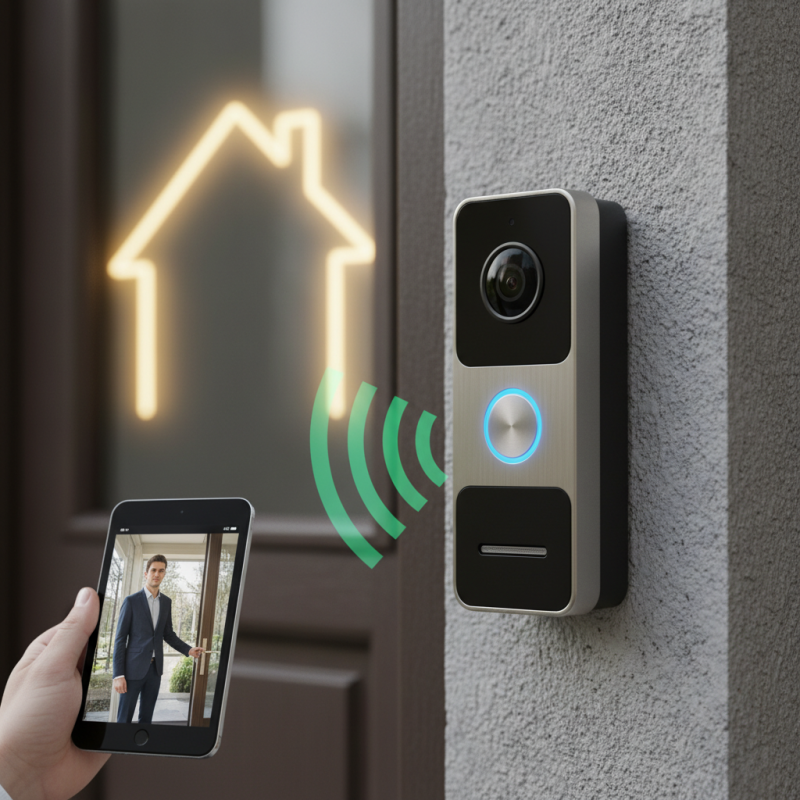
Understanding the Features of Wifi Doorbells
When selecting a Wi-Fi doorbell, understanding its features is vital. Many models include high-definition video capabilities. A report from the Consumer Technology Association indicates that over 50% of users prioritize video clarity. Look for at least 1080p resolution and wide-angle lenses. These features help ensure that you can capture clear images of visitors, even in low light.
Motion detection is another essential characteristic. Wi-Fi doorbells with advanced motion sensors can send notifications to your phone, allowing you to see who’s at the door, even if you're not home. Industry studies reveal that 70% of homeowners appreciate real-time alerts. Additionally, two-way audio communication provides added convenience. You can speak directly to guests through your smartphone, creating a more interactive experience.
Consider the storage options available. Some doorbells offer cloud storage for video recordings, while others use local storage. The average retention period for cloud services is around 30 days, which might not be sufficient for some users. Be mindful of subscription costs associated with cloud storage. These details can significantly affect your choice, so weigh your options carefully. Ultimately, ensuring compatibility with your home automation system is key to maximizing functionality. Each feature has its pros and cons, requiring reflection on your unique needs.
Evaluating Video Quality and Resolution Options
When choosing a WiFi doorbell, video quality and resolution are crucial. Many modern doorbells offer HD or even 4K resolution options. According to industry reports, around 80% of consumers prioritize video clarity when selecting a home security device. A clear image helps identify faces, package deliveries, and any potential intruders.
Consider the field of view, as well. A wider angle allows you to cover more area. Typically, a 160-degree view is standard and helps capture movement from different angles. However, be aware that some cameras with extreme wide angles may create distortion, leading to unclear images.
Tips for choosing resolution:
- Go for at least 1080p for clear day and night video.
- Check for features like HDR for better performance in low light.
- Look at user reviews to gauge real-world performance.
Additionally, connectivity affects video streaming quality. Ensure your WiFi signal is strong in the doorbell's location. Weak signals may result in lag or pixelated images. A quick internet speed test can confirm whether your connection suffices, especially if multiple devices are using the network.
Assessing Connectivity and Compatibility with Smart Systems
When choosing a Wi-Fi doorbell, connectivity and compatibility are crucial. A report from the Consumer Technology Association indicates that 70% of smart home devices work best with established ecosystems. This means a doorbell needs to connect smoothly with your existing smart home systems. It’s essential to check compatibility with platforms like Google Home and Amazon Alexa. Many users overlook this aspect, leading to frustration.
Additionally, consider the Wi-Fi connectivity range. A recent survey found that 40% of homeowners experienced connectivity issues with their doorbell cameras. Walls and distance can impact performance. It’s wise to measure your home's layout before installation. A solid signal is vital for features like live streaming and notifications.
Keep in mind that some doorbells may encounter firmware bugs or connectivity drops, leading to unreliable performance. Regular updates are necessary for optimal function. You might find that not all devices perform as advertised. Evaluating user reviews and expert opinions can provide insights into reliability and compatibility issues.
Exploring Battery Life and Power Options for Wifi Doorbells
When selecting a WiFi doorbell, battery life and power options significantly impact its usability. Many models offer either rechargeable batteries or a hardwired connection. According to industry reports, WiFi doorbells with rechargeable batteries typically last between 3 to 6 months with moderate usage. This lifespan is influenced by factors like the frequency of use, temperature, and WiFi strength. When choosing, also consider the ease of charging. Some devices may require removal for charging, which can disrupt convenience.
Hardwired options provide continuous power but involve installation challenges. The installation process can be complex, necessitating professional help. A recent study shows that about 40% of users prefer hardwired models for uninterrupted service. Yet, these solutions can cause issues during power outages. Battery-operated doorbells, while less reliable during outages, can be more flexible and easier to install.
It’s essential to weigh these options against your household needs. If you have consistent power, a hardwired model may be ideal. On the other hand, if you prefer flexibility, a battery-operated doorbell could be beneficial. Assess the environmental aspects as well. Regular battery disposal poses ecological concerns. Thus, consider sustainability and convenience when making your decision.
How to Choose the Best Wifi Doorbell for Your Home? - Exploring Battery Life and Power Options for Wifi Doorbells
| Feature | Option 1 | Option 2 | Option 3 |
| Battery Life | 3 months | 6 months | 1 year |
| Power Options | Rechargeable battery | Hardwired | Solar-powered |
| Video Quality | 720p HD | 1080p HD | 4MP Ultra HD |
| Field of View | 120° | 160° | 180° |
| Two-Way Audio | Yes | Yes | Yes |
| Motion Detection | Basic | Advanced | Smart detection |
Comparing Price Points and Brand Reliability in the Market
When selecting a Wi-Fi doorbell, price and brand reliability are crucial factors. Consumers often find a wide range of prices, from budget options to high-end models. Lower-cost doorbells may lack essential features, while pricier models often offer advanced capabilities. It's essential to weigh the pros and cons of each price point. Sometimes, spending slightly more means gaining better quality and support.
Brand reliability varies significantly in this market. Some brands are known for exceptional customer service and product longevity. Researching user reviews can provide insights into a brand's credibility. Customers often report issues like connectivity problems or poor video quality with lesser-known brands. Taking the time to choose a reputable manufacturer could save future headaches.
Buyers should also consider a product’s warranty and performance track record. A solid warranty reflects a brand's commitment to quality. Furthermore, a brand with a strong record of reliability tends to provide consistent updates and support. Reflecting on these factors could improve your decision-making process. Remember, investing time in research can lead to a smarter purchase.
Comparison of Wifi Doorbell Features and Prices