How to Choose the Best Rechargeable Lithium Batteries?
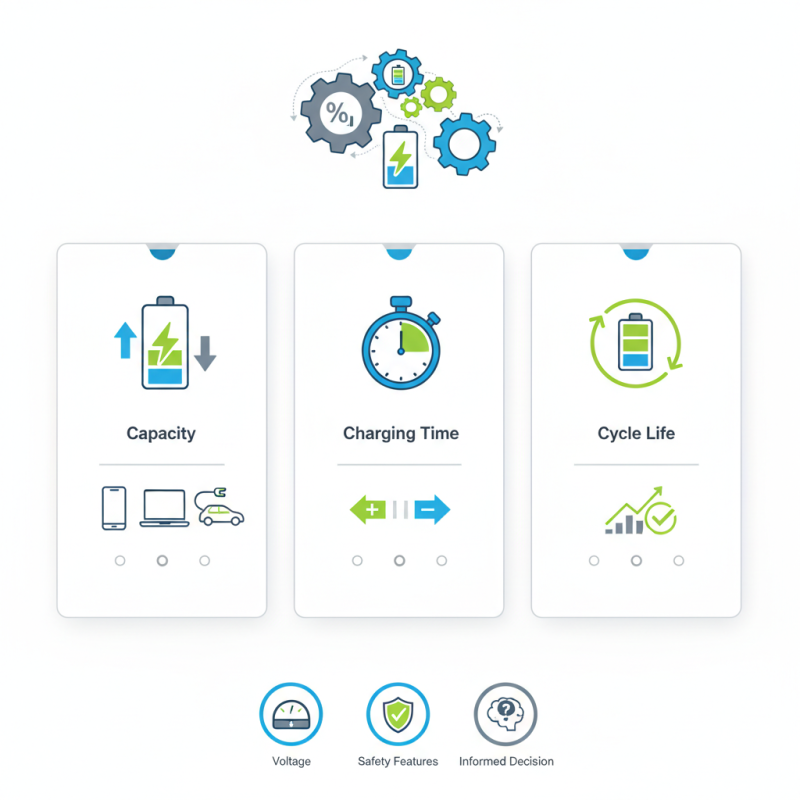
Choosing the best Rechargeable Lithium Batteries can be challenging. With so many options available, it's essential to focus on specific factors. These factors include capacity, charging time, and cycle life. The right battery can significantly impact device performance.
Rechargeable lithium batteries are widely used in various electronics. They power everything from smartphones to electric vehicles. The efficiency of these batteries is crucial. Understanding their specifications helps consumers make informed decisions.
Many people overlook important details when choosing batteries. They often focus solely on brand names or price. This approach may lead to dissatisfaction later. Consider capacity ratings, voltage, and safety features instead. These aspects play a vital role in overall performance and longevity. Selecting the right rechargeable lithium batteries goes beyond just picking a popular brand. It requires careful consideration of the product specifications and suitability for your needs.
Understanding Lithium Battery Chemistry and Types
Understanding lithium battery chemistry is crucial when selecting the best rechargeable batteries. Lithium-ion (Li-ion) and lithium iron phosphate (LiFePO4) are two primary types. Li-ion batteries are known for their high energy density. They are widely used in consumer electronics. Reports suggest that these batteries can deliver up to 250 Wh/kg. In contrast, LiFePO4 batteries provide enhanced safety and longevity, with a lifespan of over 2000 cycles.
When considering battery choice, voltage and capacity are key factors. Li-ion typically operates at 3.7 volts, while LiFePO4 runs at 3.2 volts. This should align with your device's specifications. Additionally, consider the discharge rate, especially for high-drain devices. Some applications may require fast discharges, making understanding this metric essential. Reports show that improper matching can lead to performance issues or battery failure.
Tips for making the right choice: Evaluate the device’s energy requirements. Research the cycle life reported in various studies. It’s vital to weigh cost against performance. Sometimes cheaper batteries may not provide the efficiency expected. Always check the manufacturer’s specifications for reliance on trusted data. Even minor discrepancies can impact overall battery performance.
Evaluating Battery Capacity and Energy Density
When choosing rechargeable lithium batteries, evaluating capacity and energy density is crucial. Battery capacity is measured in milliampere-hours (mAh). A higher mAh rating indicates longer usage time. For instance, a 2000 mAh battery generally lasts longer than a 1000 mAh one. It's important to think about your specific needs. A high-capacity battery may not be necessary if you rarely use your device.
Energy density, on the other hand, tells you how much energy a battery can store in a given size. This is usually expressed in Wh/kg or Wh/L. Batteries with higher energy densities are lighter and more compact. This aspect matters greatly for portable devices. Consider how weight affects your usage. It can influence your decisions in design and comfort. While some batteries may seem powerful, their physical size might hinder usability.
However, keep in mind that higher capacity and energy density often come with trade-offs. For example, batteries that offer high capacities may also take longer to charge. Balancing these factors is essential. Reflect on how often you recharge your devices. If frequent charging is an inconvenience, you might opt for a battery with a shorter lifespan but quicker recharge times. Each choice comes with its own benefits and drawbacks.
Considering Voltage and Discharge Rates for Performance
When selecting rechargeable lithium batteries, understanding voltage and discharge rates is crucial for optimal performance. Voltage determines the energy potential of the battery. Most lithium batteries operate at 3.7 volts. However, variations exist. Choosing a battery with the right voltage for your device is essential for functionality and longevity.
Discharge rates are equally important. They indicate how quickly a battery can release its stored energy. High discharge rates, often measured in C-rates, are necessary for devices requiring bursts of power. For instance, a battery with a 20C rating can deliver 20 times its capacity in a single hour. According to industry research, batteries with lower discharge rates may not perform well under high-stress conditions, leading to decreased efficiency and potential damage.
Performance reflects not only on capacity but also on the usage patterns. Some applications, like hobby drones, demand high discharge rates. Others, such as remote controls, require minimal energy. Users often overlook these factors, leading to suboptimal battery choices. Evaluating your specific energy needs and matching them with the battery specifications can improve overall device performance. Without careful consideration, you might find yourself frequently replacing batteries or facing device malfunctions.
Assessing Battery Lifespan and Charge Cycles
When evaluating rechargeable lithium batteries, assessing their lifespan and charge cycles is crucial. Lifespan refers to how long a battery can function effectively before it needs replacement. Charge cycles indicate how many times a battery can be charged and discharged. High-quality batteries typically last longer and endure more cycles, making them a better investment.
Tips: Always check the manufacturer's specifications for expected lifespan and charge cycles. Look for batteries rated for at least 500-1,000 cycles. Consider your usage patterns to select a battery that meets your needs. Frequent charging can shorten the battery's overall lifespan.
Battery longevity can be influenced by various factors. Temperature extremes, overcharging, and discharging below recommended levels can all reduce capacity. It’s essential to use batteries within their ideal temperature range. Keeping batteries at room temperature can enhance durability.
Tips: Store batteries in a cool, dry place. Avoid leaving them in hot cars or direct sunlight. Pay attention to any swelling or physical damage. Such signs can be a sign that the battery is no longer safe to use. Regularly check your battery's condition to ensure optimal performance.
Identifying Safety Features and Certifications for Reliability
When selecting rechargeable lithium batteries, safety should be your top priority. Look for batteries with reliable certifications, such as UL, CE, or ISO. These mark adherence to safety standards, reducing risks like overheating or leaking. A certified battery is more likely to function correctly and provide a reliable performance. Understanding these certifications can be complex, though. Not all labels convey the same level of assurance, so researching is essential.
Another critical factor is battery protection features. Many high-quality lithium batteries include mechanisms like overcharge protection, short-circuit prevention, and temperature control. These features work to safeguard both the battery and your devices. A good battery should not only perform well but should also prioritize your safety. However, not every battery includes these protections. It’s vital to inspect specifications carefully and seek out detailed information to avoid potential hazards.
In your search, consider user reviews and expert opinions. They can reveal insights into battery performance and safety in real-world use. This feedback often uncovers things that certifications may miss. Remember, a simple certification check isn’t always enough. Each battery's context matters in determining its reliability and safety.
How to Choose the Best Rechargeable Lithium Batteries? - Identifying Safety Features and Certifications for Reliability
| Feature | Description | Importance |
| Battery Capacity (mAh) | Higher capacity indicates longer usage time. | Essential for prolonged usage without frequent recharges. |
| Cycle Life | Number of charge/discharge cycles before capacity drops significantly. | Critical for cost-effectiveness and longevity. |
| Safety Certifications | Certifications like UL, CE ensure compliance with safety standards. | Essential for user safety and device compatibility. |
| Protection Circuit Module (PCM) | Prevents overcharging, short-circuiting, and overheating. | Vital for battery health and user safety. |
| Operating Temperature | Optimal temperature range for battery operation. | Important to ensure performance and prevent damage. |
| Self-Discharge Rate | Rate at which the battery loses charge when not in use. | Lower rates are better for maintaining charge over time. |