How to Choose the Best Solar Panel Connectors for Your Needs?
Choosing the right Solar Panel Connectors is crucial for optimizing your solar energy system. These connectors serve as the vital link between solar panels and other components. The wrong choice can lead to inefficiencies and increased maintenance costs. With so many options available, it’s essential to understand the features that matter.
Consider factors like durability, temperature tolerance, and ease of connection. Not all connectors are made equal; some may perform poorly under harsh conditions. Poor quality can result in energy loss or safety risks. It's also important to ensure compatibility with your solar panels and inverters.
In this guide, we will explore the nuances of selecting Solar Panel Connectors tailored to your needs. Mistakes in these choices can lead to significant consequences. Learning the key aspects will empower you to make an informed decision. Your investment in solar energy should be protected with reliable connectors, maximizing both efficiency and safety.
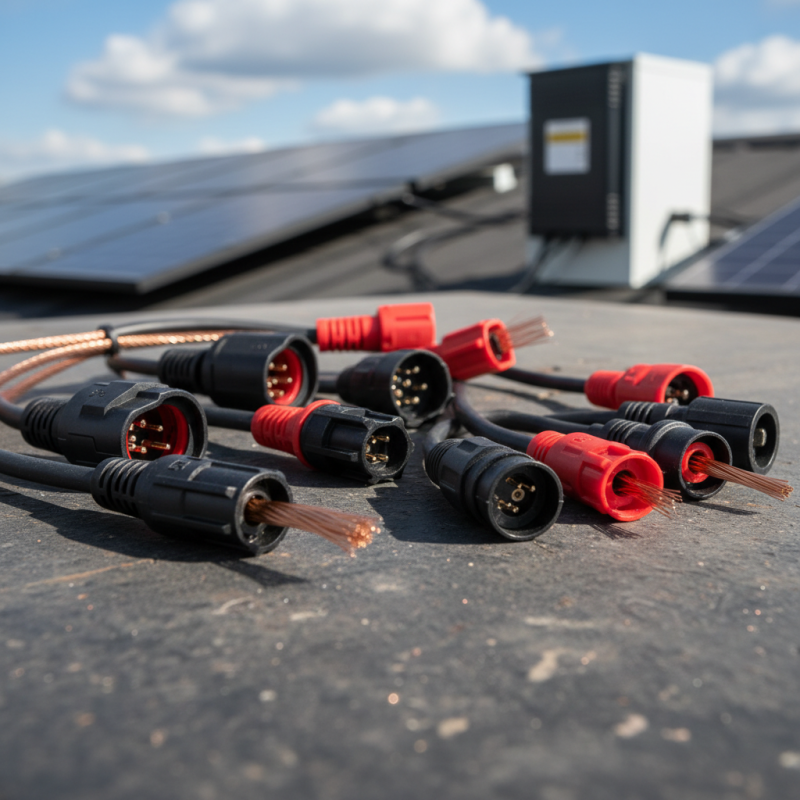
Understanding Different Types of Solar Panel Connectors
When selecting solar panel connectors, it's crucial to understand the various types available. Connectors play a significant role in optimizing solar panel systems. The most common types include MC4 connectors, which are widely used due to their reliability and ease of use. According to a report by the Solar Energy Industries Association, MC4 connectors account for over 80% of the global market share. These connectors ensure secure connections and minimize energy loss.
Another type is the T4 connector, which can handle higher currents compared to MC4. However, this connector is less common and may not be compatible with all solar panels. Understanding the technical specifications, such as voltage and current ratings, will help you choose the right connector for your setup.
**Tip:** Always check compatibility before purchasing connectors. Incompatible connectors can lead to inefficiencies. Additionally, consider the environmental factors in your area. UV radiation and temperature variations can affect connector performance.
For those who prefer a modular approach, the K-connector system might offer flexibility. These connectors are easier to install, but they may lack the durability seen in MC4 connectors. Evaluating the long-term econometric data is essential. Sometimes, a lower upfront cost can lead to higher lifetime expenses due to replacements and failures. Choose wisely to ensure your system's reliability.
Evaluating Key Features of Solar Panel Connectors
When choosing solar panel connectors, it's essential to evaluate key features that impact energy efficiency and safety. The two main types of connectors are MC4 and T4. MC4 connectors generally offer superior weather resistance and durability. According to a report by the Solar Energy Industries Association (SEIA), connectors account for nearly 10% of system failures, indicating their importance in solar installations.
Another critical aspect is current-carrying capacity. Most solar panel connectors should handle at least 30 amps to ensure optimal performance. Some connectors are rated for higher currents, enabling them to support larger solar arrays. Inadequate capacity can lead to overheating, resulting in inefficiencies or damage. Regular inspections can help identify potential issues.
Tips: Always check the IP rating. This indicates the connector's protection against dust and moisture. A rating of IP67 is recommended for outdoor applications. Ensure that connectors are easy to install but provide a secure and tight fit. Poor connections can lead to energy loss and system failures. Invest in quality, as cheaper options may compromise safety and durability.
Choosing the Best Solar Panel Connectors: Key Features Evaluation
Assessing Compatibility with Your Solar Power System
When considering solar panel connectors, compatibility is key. It directly impacts the efficiency of your solar power system. The connectors must match the specifications of both your panels and inverters. Mismatched connectors can lead to energy loss. Always double-check the ratings, as different systems have varied electrical requirements.
Pay attention to the connector types available. MC4 connectors are popular, but other options exist. Understand the configuration of your system before making a choice. The materials used in connectors influence their durability, particularly in harsh weather. Investing in connectors that resist corrosion is wise.
Reflect on your installation environment, too. Extreme temperatures can cause connectors to fail. Ensure they are rated for your area's climate. If uncertain, consult with professionals or reputable resources. Your choices will directly influence your system’s performance. Compatibility and quality should never be compromised in your decisions.
How to Choose the Best Solar Panel Connectors for Your Needs? - Assessing Compatibility with Your Solar Power System
| Connector Type | Compatibility | Current Rating (Amps) | Voltage Rating (Volts) | Wire Gauge Compatibility | Weather Resistance |
| MC4 | Standard for most solar panels | 30A | 1000V | 14-10 AWG | IP67 Rating |
| Tyco | Common for industrial applications | 50A | 600V | 12-10 AWG | IP68 Rating |
| Amphenol H4 | Compatible with various solar brands | 40A | 1500V | 10-8 AWG | IP67 Rating |
| RMX | Less common but reliable | 25A | 1000V | 14-12 AWG | IP65 Rating |
Considering Environmental Factors for Connector Durability
When selecting solar panel connectors, environmental factors greatly affect their durability. Extreme climates challenge materials. Connectors may face intense UV exposure, moisture, or temperature fluctuations. According to the Solar Energy Industries Association, proper connectors should withstand harsh outdoor conditions.
For example, connectors are often tested for IP ratings, indicating their resistance to water and dust. An IP68 rating is ideal for areas with heavy rainfall. Similarly, connectors in areas with significant temperature variations should exhibit resilience against thermal cycling. Data from the International Electrotechnical Commission suggests materials like PTFE or PBT can enhance longevity.
It’s crucial to analyze local environmental conditions. Assessing average temperatures may guide the choice of material. Some connectors may fail under specific conditions, leading to system inefficiencies. Industry reports highlight that over 25% of solar failures stem from inferior connectors. Ensuring reliability not only protects the investment but also optimizes energy production over the long term.
Budgeting for Quality: Cost vs. Performance in Connectors
Choosing the right solar panel connectors involves more than just selecting the cheapest option. It requires a balance between cost and quality. Budgeting wisely ensures long-term efficiency. High-quality connectors often outperform cheaper alternatives, saving you time and money on replacements.
Consider performance ratings when shopping. Connectors endure harsh weather conditions. A low-cost option may fail under stress, leading to unexpected costs. Investing in durable connectors pays off in reliability.
Here are some tips: Always check the connector's temperature rating. This affects its longevity. Assess the material used—high-quality materials resist corrosion. Don't ignore compatibility with your solar panels. Mismatched connectors can create issues. Lastly, read customer reviews. They provide real-world experiences.