

How to Choose the Right Band Sealer for Your Business

Choosing the right Band Sealer starts with the package, not the machine brochure. Bag material, thickness, opening width, and product weight all affect sealing performance. A unit that handles lightweight pouches may struggle with heavier bags or continuous production. Small details matter: a wrinkled edge, dusty seal area, or uneven feed can weaken the finished seal.

Estimate your normal and peak output, then compare machines by speed, temperature control, conveyor capacity, and available seal width. Ask suppliers to test your actual bags and product when possible. A sample run can reveal whether the seal is consistent and whether operators can feed packages comfortably. It can also expose practical issues, such as a conveyor set too high for short pouches. Brochure claims are not proof.

Think beyond purchase price. Consider cleaning access, routine maintenance, spare-part availability, operator training, and the space needed around the machine. For food, pharmaceutical, or other sensitive applications, verify that the materials and process suit your product, and consult qualified specialists about applicable requirements. Do not assume one configuration fits every workplace.

There is no perfect choice for every business. A faster model may add little value if packing is intermittent, while an undersized unit can create delays during busy shifts. Be honest about your expected growth, but avoid paying for capacity you may never use. Compare real samples, service support, and total operating needs before deciding. A little uncertainty is normal; a documented trial makes it easier to manage.
How to Choose the Right Band Sealer for Your Business

What a Band Sealer Does and Where It Fits in Packaging

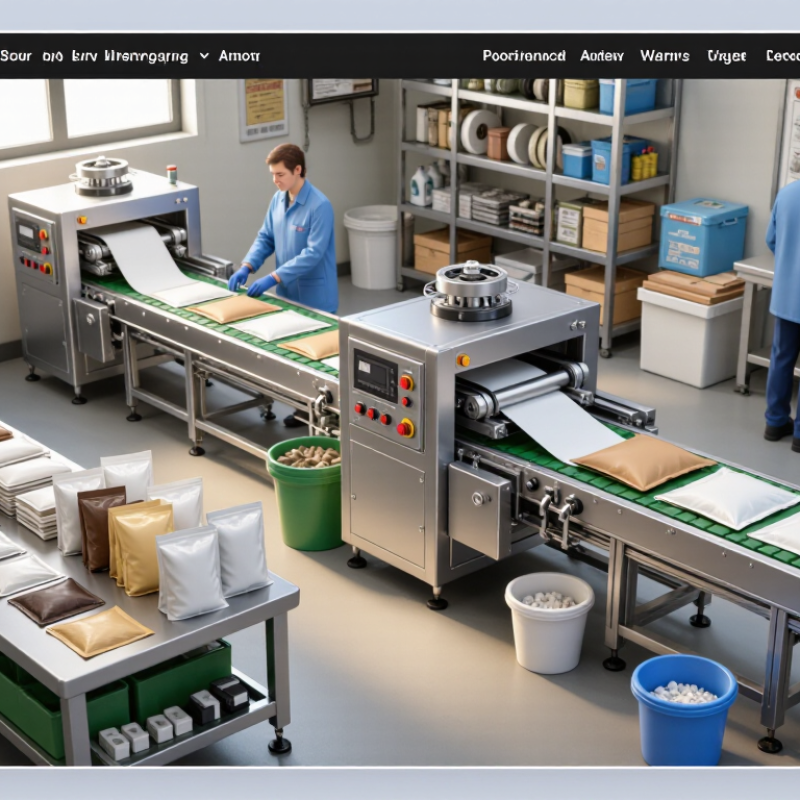
A band sealer closes compatible heat-sealable bags by moving their open edges between heated belts. The belts apply heat and pressure, then allow the seam to cool. This creates a continuous seal without stopping for each pouch. It is often used for plastic or laminated bags containing dry foods, parts, or other packaged goods.

In a packing area, the machine usually sits after filling and before labeling or case packing. An operator places each bag on the infeed conveyor, with the opening flat and free of product. Horizontal models suit many stable packages; vertical setups can help when contents might spill. Not every pouch. Thick folds, crumbs, or trapped air can weaken a seam, even when the machine is running smoothly.

Temperature, belt speed, and pressure need to match the bag material and its thickness. In practice, setup is rarely perfect on the first pass. Test seals using actual packaging, then check that seams look even and resist gentle pulling. A band sealer can support steady output, but it does not replace clean handling or routine inspection. Short production runs may not benefit from a continuous-feed machine, either.

Which Materials and Bag Types Must the Sealer Handle?

How to Choose the Right Band Sealer for Your Business

Check the bag itself before comparing machines. Polyethylene and polypropylene films soften at different temperatures, while foil laminates and coated materials may need a wider heat range. Paper bags often require a heat-sealable inner layer; plain paper will not form a reliable heat seal. Bag thickness matters, too. A setting that seals a thin pouch may wrinkle or burn a heavier laminate.

Consider the bag’s shape and contents. Flat pouches are usually straightforward, but gusseted bags, tall bags, and uneven top edges can travel poorly through a conveyor. Powder on the sealing area can weaken the seam, and oily residue may cause similar trouble. A clean-looking seal can still leak. Test representative filled bags, not just empty samples, and check the cooled seams for gaps, peeling, or product trapped inside. One test is rarely enough.

Tips: Ask for a trial using your actual bag material, dimensions, and product. Record the temperature, belt speed, and pressure that work; small changes can alter the result. If your packaging changes often, leave room for adjustment. That may cost more upfront, but choosing only for today’s pouch can be a mistake.

How to Choose the Right Band Sealer for Your Business — Which Materials and Bag Types Must the Sealer Handle?

Material or Bag Type Typical Sealable Construction Band Sealer Suitability Selection and Operating Considerations
Polyethylene (PE) bags LDPE, LLDPE, or HDPE film, either single-layer or part of a laminate Generally suitable Confirm the film’s recommended sealing temperature and the machine’s available temperature range. Film thickness, additives, and bag construction affect the required heat, speed, and pressure.
Polypropylene (PP) bags Cast or oriented PP film; some structures have a heat-sealable inner layer Suitable when the sealant layer is compatible Oriented films may shrink or distort if overheated. Use the film supplier’s sealing guidance and verify the seal across the intended production speed.
Multilayer plastic laminates Printed or barrier laminates with a heat-sealable inner layer, such as PE or a sealable PP layer Often suitable The outer layers do not necessarily determine sealability; the inner sealant layer does. Check the laminate specification, total thickness, and seal window before choosing a machine.
Foil-laminate pouches Aluminum foil bonded to plastic layers, usually with a heat-sealable polymer on the inside Suitable if the inner layer is heat-sealable Ensure the machine can accommodate the pouch thickness and achieve consistent heat through the seal area. Foil alone is not a heat-sealable surface.
Paper bags with a plastic lining Paper outer layer with a heat-sealable PE or other compatible lining at the mouth Conditionally suitable The lining must be exposed and correctly positioned in the sealing zone. Paper-only sections should not pass through the heated seal area unless the machine and bag design are intended for it.
Plain, uncoated paper bags Paper without a heat-sealable polymer coating or liner Not suitable for a standard heat band sealer Use a closure method designed for paper, such as folding, stitching, or an appropriate adhesive process. A standard heat sealer requires a compatible heat-sealable layer.
Cellophane or cellulose film Uncoated film or film with a heat-sealable coating Depends on the coating and film specification Do not assume uncoated cellulose film will heat-seal. Confirm that the exact grade is designed for heat sealing and establish settings through sample testing.
Flat or pillow bags Open-mouth bags made from compatible thermoplastic film or laminate Generally suitable These are common applications. Check that the bag mouth can be fed flat and evenly, without product contamination, wrinkles, or folds in the sealing path.
Gusseted bags Side-gusseted or bottom-gusseted bags with a compatible heat-sealable mouth Suitable with correct presentation Keep the gussets folded consistently and ensure only the intended top layers enter the sealing area. Bag guides or an operator positioning aid may be needed.
Stand-up pouches Flexible pouches with a heat-sealable top edge, sometimes with a bottom gusset Often suitable for the open top edge Confirm that the pouch opening fits the machine’s conveying and clearance limits. A filled pouch may need support to prevent leaning or product from entering the seal.
Zipper or slider bags Resealable bags with a heat-sealable area above the zipper or slider Conditionally suitable The machine must seal above the closure without crushing or melting it. Check the available sealing width, pouch height, and clearance around the zipper or slider.
Spouted or fitment pouches Pouches with a rigid or semi-rigid spout, cap, or fitment Limited by shape and clearance A standard band sealer may not accommodate the fitment or hold the pouch mouth flat. Verify the machine layout and sealing path with the actual filled pouch.
Thick or heavy-duty bags Thicker film, reinforced laminates, or multiple layers at the mouth Machine-capacity dependent Compare the bag’s total seal-area thickness with the machine’s stated capacity. Confirm that heat, pressure, belt speed, and cooling are adequate for the construction.

Selection tip: Compatibility depends on the exact film grade, sealant layer, thickness, bag geometry, and product conditions. Before purchase, run samples using the actual bags and product, then inspect seal continuity and strength. Follow the packaging-material supplier’s recommendations and the sealer manufacturer’s operating limits.

How to Match Sealer Speed and Capacity to Production Needs

Choosing a band sealer by its advertised speed alone can leave a production line waiting. Start with your actual output: count filled bags per minute during steady runs, then note short peak periods. A sealer rated for 30 bags per minute may not sustain that rate with heavy pouches or frequent stops. Bag width, film thickness, seal temperature, and conveyor handling all affect practical throughput. Test with your own packaging and product, not just an empty sample bag.

Capacity means more than a machine’s top speed. Check how many hours it can run per shift, whether operators can feed bags consistently, and how quickly settings recover after a pause. If demand varies, allow a modest buffer above normal production, but confirm that the line can supply bags at that pace. I used to treat extra capacity as an easy safety net; it can instead create jams when upstream equipment cannot keep up. Keep a simple log of output, stoppages, and rejected seals during trials.

Tips: Run a timed test with your real bags. Measure good seals, not just bags passing through. Ask about duty cycle and suitable bag dimensions. Leave room for brief slowdowns; real shifts are rarely perfect.

How to Choose the Right Band Sealer for Your Business

Match sealer capacity to your required production rate, with room for normal operating variation.

Suggested capacity uses a planning allowance of 25% above the required rate. These figures are illustrative; confirm actual throughput with the sealer supplier using your package size, material, and operating conditions.

Which Sealer Features Matter for Your Workspace and Operators?

Before comparing machines, measure the working area, not just the table footprint. Leave room for loading bags, stacking finished packs, and moving safely around the operator. A compact hand-fed sealer may suit a small bench; steady production may call for a conveyor model. Test the sealer with bags from normal production. Check their width, material, thickness, and typical fill level. A flat sample can seal well while a fuller pouch behaves differently. Small details matter.

Look for controls operators can understand quickly, such as clear temperature and speed settings. Consistent seals depend on matching those settings to the packaging material, so allow time for testing. Check whether the unit provides enough cooling after the seal, and whether adjustments are easy to repeat across shifts. An emergency stop, guarded moving parts, and a comfortable working height also matter. Operators notice discomfort fast.

Consider cleaning and maintenance before you buy. Dust, crumbs, or product residue near the sealing area can affect daily work, so inspect how easily the belts and sealing surfaces can be reached. Ask how routine wear parts are replaced and what service support is available. It is tempting to focus on maximum speed. In practice, a slightly slower machine may fit your workspace better and be easier for a new operator to use. I would still test it during a typical shift; a short demonstration cannot reveal every awkward reach or bottleneck.

How to Compare Total Cost, Maintenance, and Support Before Buying

Choosing a band sealer starts with your packages, not the machine’s price. Measure film width, bag thickness, and daily volume during a typical shift. A model rated for 500 bags per hour may be excessive for seasonal production. An undersized unit can create a queue. Request test seals using your actual bags. Check the seam after it cools, not just as it leaves the rollers. A neat-looking seal can still be weak.

Compare total costs across the machine’s expected working life. Include energy use, replacement belts, spare parts, operator training, and installation. Downtime matters too. One delayed shipment can cost more than a modest price difference. Ask how often routine cleaning and adjustments are needed, and whether staff can perform them safely. Get clear details about warranty coverage and service response times. Support sounds reassuring, but ask who answers and what happens if a part is unavailable. Small details get missed.

Tips: Keep a sample bag and written settings near the sealer. Track seal defects, cleaning time, and repairs for several weeks. These notes can reveal hidden costs. Be honest about future growth; forecasts are often wrong, and buying far beyond current needs may not pay off.

Go to Top