What is an Enclosure Heater and How Does It Work?
In a world where temperature control is crucial, an Enclosure Heater plays a vital role. These heaters are essential for protecting sensitive equipment from extreme weather. Dr. John Carter, a leading expert in thermal management, once stated, "Understanding the nuances of enclosure heating can prevent costly equipment failures." His words highlight the importance of proper temperature regulation.
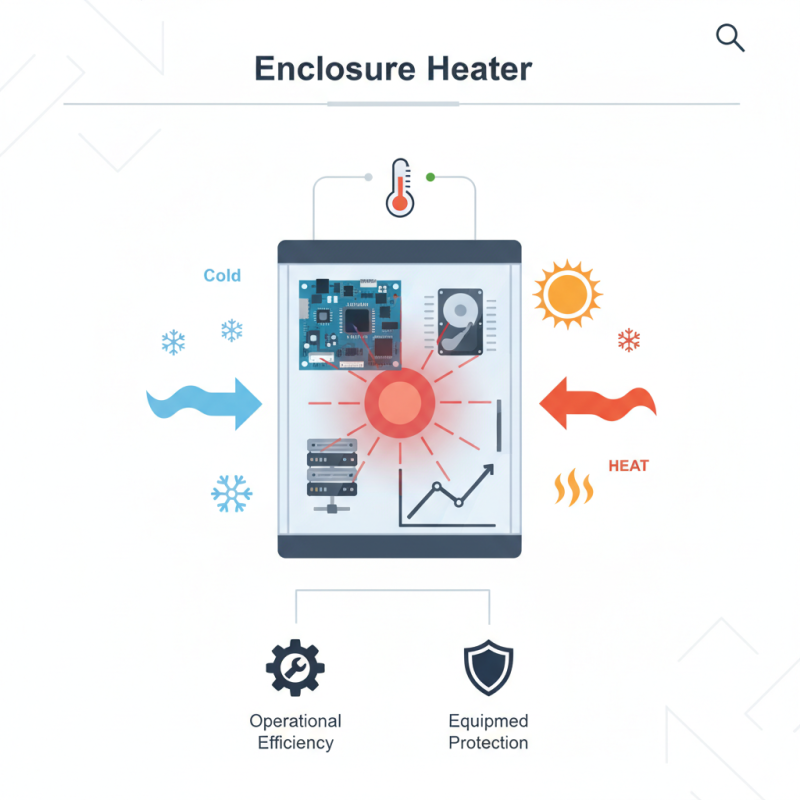
Enclosure Heaters operate by generating warmth to maintain a stable environment. They ensure electronics stay functional in low temperatures. For many manufacturers, these heaters are not just optional; they are necessary for operational efficiency. Yet, some overlook their importance. The risks of neglecting heating solutions can lead to significant downtime and repairs.
Choosing the right Enclosure Heater is not straightforward. Factors like size, wattage, and application matter deeply. Many businesses rush decisions, only to recognize flaws later. It’s worth reflecting on how neglecting these details can create larger problems. Proper education and planning can result in better outcomes and extended lifespan for equipment.
What is an Enclosure Heater?
An enclosure heater is a specialized device used to maintain a consistent temperature within confined spaces. These heaters are essential in various industries, including manufacturing, pharmaceuticals, and food processing. According to industry reports, nearly 30% of equipment failures are attributed to temperature fluctuations. Ensuring optimal thermal conditions can extend the lifespan of sensitive equipment.
Enclosure heaters operate by generating heat, which is then circulated within an enclosed space. A recent study highlighted that equipment operating within a stable temperature range sees a productivity increase of up to 15%. They are typically used in areas vulnerable to moisture, dust, or extreme temperatures. Any disruption in these conditions can lead to significant operational challenges.
However, the choice of an enclosure heater should not be taken lightly. Selecting the wrong type can lead to inefficiency or even damage due to overheating. A report from a technical association indicated that improper installation of heating systems results in energy waste, costing companies thousands annually. Understanding the specific needs of your space is critical for effective heating and energy use.
What is an Enclosure Heater and How Does It Work?
| Feature | Description | Applications |
| Heating Element Type | Electrical resistance heaters, infrared heaters, or gas heaters. | Used in industrial control panels, outdoor enclosures, and sensitive equipment. |
| Temperature Range | Typically between -40°F to 200°F (-40°C to 93°C). | Suitable for environments with extreme temperature fluctuations. |
| Control Options | Thermostat-based, programmable or manual control systems. | Ideal for automation systems in various industries. |
| Energy Efficiency | Designed with high-efficiency materials to minimize energy consumption. | Reduces operational costs and environmental impact. |
| Safety Features | Overheat protection, fault indicators, and secure mounting options. | Ensures the safe operation of sensitive devices and components. |
Types of Enclosure Heaters Available in the Market
Enclosure heaters are essential for maintaining optimal temperatures in various applications. While there are many types available, choosing the right one is crucial for efficiency. Common types include convection heaters, radiative heaters, and forced-air heaters. Each type serves a unique purpose. Convection heaters circulate warm air, while radiative heaters warm objects directly. Forced-air heaters provide quick and efficient heating. Understanding these differences helps users make informed decisions.
According to industry reports, the global enclosure heater market has grown. In 2022, it was valued at over $1 billion. Analysts predict this trend will continue due to rising automation needs. More industries seek reliable temperature control solutions. Choosing the wrong type can lead to inefficiencies and increased costs. This is a critical point that often goes overlooked.
Tip: Consider the specific application when selecting an enclosure heater. Evaluate factors like space size and heat retention needs. This ensures that you don’t overspend or underperform. Additionally, regular maintenance is vital. Dust and debris can affect performance. Keeping units clean enhances longevity and efficiency.
How Enclosure Heaters Operate Mechanically
Enclosure heaters are essential for maintaining optimal temperatures in sensitive environments. They’re often used in control panels, cabinets, or machinery housings. The mechanical operation of an enclosure heater is quite fascinating. When the heater is powered, it generates heat through electrical resistance. This heat warms the air inside the enclosure. As the air temperature rises, it creates a circulation effect, distributing warmth throughout the enclosed space.
Thermostats often regulate this process, ensuring the temperature remains stable. Some heaters have built-in sensors that monitor the ambient conditions. If the temperature drops, the heater activates automatically. This feature helps prevent condensation, which can be detrimental to electronic components. However, different climates can pose challenges. In extremely cold areas, heaters may struggle to maintain the desired temperature.
Not all enclosure heaters are created equal. The materials used can affect their efficiency and lifespan. Regular inspections are important to identify wear or malfunction. Sometimes, a heater might not distribute heat evenly, leading to cold spots. Understanding these mechanics can improve efficiency. Users should pay attention to their specific requirements and adjust accordingly. Enclosure heaters are not just equipment; they require thoughtful management to perform optimally.
Applications of Enclosure Heaters in Various Industries
Enclosure heaters have gained popularity across various industries. They play a crucial role in maintaining optimal temperatures in sensitive environments. These heaters are widely used in manufacturing plants, warehouses, and greenhouses. They create a stable climate, promoting product quality and efficiency.
In manufacturing, they protect equipment from extreme conditions. This prevents downtime caused by cold temperatures. Additionally, in warehouses, enclosure heaters prevent damage to inventory. Fragile materials remain safe from freezing or condensation. Greenhouses benefit from these heaters by extending the growing season. Plants thrive in a controlled temperature, leading to better yields.
However, it’s essential to monitor these heating systems regularly. Improper use can lead to overheating or energy inefficiency. Not all industries may need constant heating, leading to unnecessary costs. It’s vital to assess the specific needs and adjust the systems accordingly. Balancing energy use with required temperatures can be challenging. Overall, enclosure heaters are valuable tools, but they require thoughtful implementation.
Applications of Enclosure Heaters in Various Industries
Maintenance Tips for Optimal Performance of Enclosure Heaters
When it comes to enclosure heaters, regular maintenance is crucial for optimal performance. Data shows that improperly maintained equipment can decrease efficiency by up to 25%. Weekly checks should include inspecting the power source and ensuring the heater is securely mounted. Dust and debris can accumulate, affecting airflow. A simple cleaning can vastly improve functionality.
Temperature control is equally important. Excessive heat can damage sensitive components inside the enclosure. Maintaining a stable temperature is recommended for electronics, ideally between 20°C to 25°C. Some reports indicate that fluctuating temperatures can lead to a 30% increase in failure rates. Using a well-calibrated thermostat helps mitigate this issue effectively.
Lastly, consider the age of your enclosure heater. Beyond its expected lifespan, performance may dwindle. Data suggests that older models often use 20% more energy than newer, more efficient designs. Regular assessments can highlight the need for upgrades. Monitoring performance aids in identifying potential issues early.