

Top Fresh Fruit Export Packaging Solutions for Global Buyers

Fresh Fruit Export Packaging Solutions determine far more than a product’s appearance. They influence shelf life, handling efficiency, buyer confidence, and final market acceptance. A strong package must protect delicate fruit from vibration, compression, temperature changes, and moisture buildup. It must also support efficient loading, clear traceability, and reliable cold-chain movement.

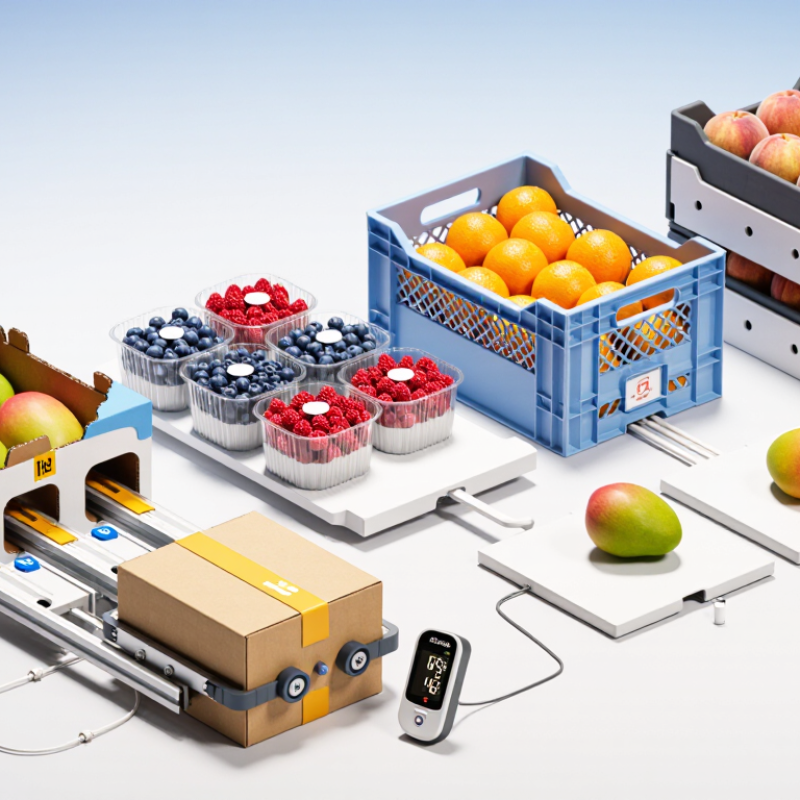
Experienced exporters usually begin with the fruit, not the carton. Mangoes, berries, citrus, and stone fruit need different levels of ventilation, cushioning, and humidity control. A ventilated corrugated box may suit mangoes, while a rigid punnet can better protect soft berries. Small details matter. Drainage holes, absorbent pads, and stable internal dividers can reduce damage during long transit.

Testing should reflect real shipping conditions. Use trial loads, temperature monitoring, compression checks, and inspection after arrival. Packaging materials should be suitable for food contact and aligned with destination-market requirements. Labels must remain readable after condensation and handling. Clear batch information helps buyers investigate quality issues quickly.

No design is perfect. A lighter box may reduce freight costs but lose strength in humid conditions. More ventilation may improve airflow but increase dehydration. These trade-offs require evidence, not guesswork. This guide examines practical Fresh Fruit Export Packaging Solutions for global buyers, while recognizing that each fruit, route, season, and supply chain creates different risks. Better results come from measured trials, supplier communication, and honest review after every shipment.
Top Fresh Fruit Export Packaging Solutions for Global Buyers

Fresh Fruit Export Packaging Requirements and Buyer Expectations

Fresh fruit export packaging must satisfy buyer expectations beyond appearance. FAO reports that 13.2% of food is lost between harvest and retail globally. Packaging cannot repair weak harvesting, cooling, or handling practices. It must protect fruit through each stage.

Buyers usually expect strong, ventilated cartons with clean food-contact materials. Vent holes should support airflow without weakening compression resistance. A carton holding chilled grapes needs different moisture performance from one carrying firm mangoes. Practical trials should measure temperature, humidity, vibration, and stacking pressure. Small details matter. Wet cartons fail quickly.

The UNEP Food Waste Index 2024 estimates that 1.05 billion tonnes of food were wasted in 2022. This increases pressure for packaging that reduces bruising and extends shelf life. Buyers also request clear lot identification, harvest details, net weight, and reliable traceability records. Recyclability is becoming important, but it must not reduce protection during long transport. A lighter package may create more damaged fruit. That trade-off deserves testing.

One weakness is often overlooked. Airflow tests using empty cartons can produce misleading results. Real fruit changes ventilation patterns. Exporters should validate packaging with filled loads, cold-chain interruptions, and rough handling simulations. UNEP and FAO data support the urgency, but each destination still requires product-specific evidence.

Selecting Packaging Materials for Different Fruit Types

Selecting packaging for fresh fruit begins with respiration rate, skin strength, and journey length. A container that protects apples may damage raspberries. I have seen firm peaches arrive bruised when empty space allowed movement. Material choice must follow handling conditions, not appearance alone.

Delicate berries need rigid, vented packs with shallow cavities and clear airflow. Small openings reduce pressure but can increase moisture loss. Use absorbent pads carefully; excessive dryness shrivels fruit.

Stone fruit benefits from molded fiber trays inside strong corrugated cartons. These trays separate pieces during stacking and reduce skin abrasion. Citrus tolerates tougher handling, yet still needs ventilation to control heat and condensation.

All food-contact materials should meet the destination market’s requirements.

For long sea routes, corrugated fiberboard with moisture-resistant treatment often performs reliably. However, coatings may complicate recycling and deserve a market-specific review. Bananas require airflow and controlled cushioning, while apples need compression resistance.

Before approving a format, packers should test vibration, compression, temperature, and humidity. A short pilot shipment can expose failures that laboratory checks miss. There is no perfect package. Condensation remains easy to underestimate. Record fruit temperature, carton condition, and arrival quality during each trial. This evidence supports consistent purchasing decisions for global buyers.

Designing Protection for Handling, Transport, and Temperature Changes

Top Fresh Fruit Export Packaging Solutions for Global Buyers

Fresh fruit packaging must protect produce through lifting, stacking, vibration, and sudden temperature changes. FAO reported that 13.2% of food is lost between harvest and retail globally in 2023. Packaging cannot prevent every loss, but it can reduce bruising, compression, and moisture damage.

Vented corrugated cartons support airflow during forced-air cooling and refrigerated transport. Proper vent placement matters more than simply adding holes. Too many openings can weaken stacking strength. Pulp trays and soft inserts reduce fruit-to-fruit contact during port handling. A practical packhouse check should include corner compression, pallet stability, and visible condensation after chilling. Temperature labels also help reveal cold-chain breaks, although they do not replace data loggers.

Temperature changes create another risk. Warm fruit entering a cold room may produce condensation inside liners, encouraging decay. Packaging should therefore match the fruit’s maturity, respiration rate, and recommended storage range.

The FAO estimates that food loss remains especially significant before retail, making these details commercially important. UNEP’s Food Waste Index 2024 reported 1.05 billion tonnes of food waste in 2022, including waste across retail and households.

That figure demands better design, not just heavier materials. A thicker carton is not always safer. It may restrict airflow, add freight weight, and increase packaging waste. The design still needs testing.

Using Ventilation, Moisture Control, and Shelf-Life Features

Top Fresh Fruit Export Packaging Solutions for Global Buyers

Using Ventilation, Moisture Control, and Shelf-Life Features

Fresh fruit packaging must manage air, water, impact, and time together. In export trials, I have seen attractive cartons fail when airflow was poorly planned. Small details matter. Correctly sized vents allow heat and respiration gases to escape. They also reduce condensation during cold-chain transfers. Vent placement should match the fruit’s position, stacking pattern, and cooling direction.

Moisture control needs equal attention. A breathable liner can limit surface water without trapping excessive humidity. Absorbent pads may protect berries and stone fruit from pooling, but they should not touch delicate skins unnecessarily. Drainage channels help move condensation away from the produce. Too much dryness can cause shriveling. Too much humidity encourages decay. The balance changes with variety, maturity, and harvest temperature.

Shelf-life features should be tested, not simply advertised. Cushioning protects fruit during repeated handling and long-distance transport. Insulated panels can slow temperature changes during loading delays. Ventilated inserts may separate soft fruit and reduce compression. I recommend using temperature and humidity loggers during route simulations. Review the results with packhouse staff and buyers. Packaging choices sometimes look efficient but create extra labor or waste. That weakness deserves honest review. Freshness is conditional. A reliable solution combines material performance, clear handling instructions, and evidence from real shipments.

Meeting Global Labeling, Safety, and Sustainability Standards

Fresh fruit export packaging must satisfy more than appearance. Global buyers need clear labels, safe handling, and credible sustainability information. A strong carton should show the fruit name, variety, country of origin, net weight, lot code, pack date, and storage guidance. Importer details may also be required by the destination market.

Details matter greatly.

Food-grade liners can reduce contamination risks, while ventilation holes help control heat and condensation. A carton that feels strong in the warehouse may weaken after cold storage. Exporters should test stacking strength, vibration, humidity, and temperature changes before shipment. Traceability records should connect each carton to its packing site and harvest lot. This supports faster investigation when quality problems appear.

Sustainability needs practical evidence, not attractive wording. Right-sized cartons reduce empty space and transport weight. Recyclable fiber, water-based inks, and limited plastic can improve material recovery. However, replacing plastic without testing moisture resistance may create damaged fruit and more waste. That trade-off deserves honest review. Some packaging trials fail because labels peel in chilled rooms or recycled fiber loses strength. Regular buyer feedback, laboratory checks, and shipment inspections help correct these weaknesses. Packaging is not perfect after one test.

Top Fresh Fruit Export Packaging Solutions for Global Buyers - Meeting Global Labeling, Safety, and Sustainability Standards

Packaging Solution Typical Fresh-Fruit Applications Key Functional Data Global Safety and Compliance Considerations Labeling Information Commonly Required Sustainability Profile
Corrugated Fiberboard Export Cartons Apples, pears, citrus, mangoes, avocados, stone fruit, and mixed produce. Lightweight structure; printable outer surface; ventilation openings can support airflow; board strength should be selected for humidity, stacking height, and transport duration. Use food-contact-safe inks, coatings, adhesives, and recycled fiber suitable for the intended application. Packaging should remain intact under refrigerated and high-humidity conditions. Product name, country of origin, packer or dispatcher details where required, class or grade where applicable, net quantity, lot identification, and handling instructions. Widely recyclable in established paper-recycling systems when free from excessive plastic or wax contamination. Recycled content may reduce virgin-fiber demand.
Reusable Plastic Crates Apples, bananas, tomatoes, berries, grapes, and delicate produce requiring ventilation and rigid protection. Rigid, stackable, washable, and ventilated; reusable systems require reverse logistics, inspection, cleaning, and controlled sanitation. Materials intended to contact food should comply with the destination market's food-contact rules. Cleaning agents and sanitation procedures must not leave harmful residues. Reusable asset identification, product information, lot code, country of origin, handling symbols, and traceability data as required by the importing market. Can reduce single-use packaging when return rates are high. End-of-life recyclability depends on polymer identification, sorting, and local recycling infrastructure.
Molded Pulp Trays and Inserts Berries, peaches, nectarines, plums, pears, and other fruit requiring separation and cushioning. Fiber-based cushioning; helps limit abrasion and contact damage; performance depends on moisture resistance, fruit weight, and ventilation design. Avoid unsuitable recycled inputs, coatings, or additives for direct food contact. Confirm migration and odor performance when the insert touches unpackaged fruit. Fruit name, origin, pack details, lot or traceability code, quantity or net weight, and any required grade or quality designation. Generally compatible with paper recycling where accepted. Compostability claims should be made only when the complete product meets the relevant local requirements.
Ventilated PET or rPET Clamshells Strawberries, blueberries, raspberries, cherries, grapes, and other small or fragile fruit. Transparent product visibility; tamper-evident closing options; ventilation can support cooling and moisture management; lightweight and dimensionally consistent. Use food-contact-compliant PET or recycled PET for the destination market. Design should prevent sharp edges, excessive condensation, and fruit compression. Product identity, net quantity, country of origin, lot code, packer or dispatcher details where applicable, storage guidance, and recycling instructions. PET is technically recyclable in many systems, but actual recovery depends on local collection and sorting. Clear, mono-material formats generally support easier sorting.
Perforated Produce Bags and Liners Leafy greens, grapes, citrus, avocados, and bulk fruit requiring moisture or atmosphere management. Perforation size and film structure influence humidity, gas exchange, condensation, and shelf-life performance; seal strength must match handling conditions. Film, inks, and adhesives should be suitable for food contact and refrigerated use. Packaging must not transfer odor, color, or substances to the produce. Product name, net quantity, lot code, country of origin, storage instructions, and material or disposal information where required. Material reduction is possible through downgauging and optimized perforation. Recycling is more practical when the format is clean, mono-material, and accepted by local programs.
Wooden or Plywood Shipping Cases Heavy fruit, long-distance shipments, specialty produce, and loads requiring strong external protection. High structural strength and stacking capability; heavier and more moisture-sensitive than fiberboard; requires careful design of vents and internal cushioning. Solid-wood packaging used in international trade generally needs treatment and marking under ISPM 15. Plywood and other processed wood may have different treatment requirements. Product identity, origin, quantity or weight, lot code, handling marks, and any required wood-packaging treatment mark or shipping documentation. Wood is renewable when sourced responsibly and can be reused or recycled. Treatment, moisture exposure, and mixed-material construction affect end-of-life options.
Modified-Atmosphere Packaging Formats Berries, cut fruit, grapes, and selected high-value products where respiration and shelf-life control are important. Gas transmission, film permeability, seal integrity, temperature, and produce respiration must be matched. Incorrect gas balance can accelerate deterioration or create safety risks. Validate the packaging process and cold chain. Food-contact materials and any gas-contact components must comply with the destination market's applicable rules. Product name, net quantity, lot code, origin, storage temperature or conditions, use-by or quality date where applicable, and handling instructions. May reduce food loss, but multilayer films can be difficult to recycle. Prefer recyclable structures where performance and local collection systems allow.
Export Pallets and Load-Stabilization Materials Palletized cartons, crates, clamshells, and mixed fresh-fruit export loads. Load stability, corner protection, stretch or strapping performance, pallet compatibility, and airflow through the unit load are critical for cold-chain transport. Wood pallets moving internationally generally require ISPM 15 compliance. Load-securing materials must not contaminate food or block required ventilation. Shipping marks, product and lot identification, country of origin, gross and net weight where required, pallet count, handling symbols, and traceability references. Reusable pallets and recyclable paper-based corner protection can reduce waste. Optimize pallet dimensions and stacking to improve transport efficiency and reduce empty space.
Reference framework for international buyers: Packaging specifications should be verified against the importing market's current food-contact, fresh-produce labeling, traceability, phytosanitary, recycling, and extended-producer-responsibility requirements. Common international references include Codex standards for fresh fruit and vegetables, ISO 780 handling symbols, ISPM 15 for regulated wood packaging material, and applicable food-contact regulations in the destination market.

Article Source:

Go to Top