

What Is a Solar Street Light and How Does It Work?
Solar street lights are independent outdoor lighting systems powered by sunlight. They illuminate roads, paths, parking areas, and public spaces without continuous grid electricity. A typical unit includes a solar panel, rechargeable battery, LED lamp, controller, pole, and mounting hardware. Each part influences the system’s reliability.
During daylight, the panel converts sunlight into electrical energy. The controller manages charging and helps protect the battery. After sunset, a sensor or timer activates the LED fixture. The stored energy then powers the light through the night. Simple in theory.
Practical installations reveal more complications. Cloud cover can reduce daily charging. Incorrect panel angles may limit energy collection. Dust, shade, and battery aging also affect performance. In some locations, winter nights exceed the battery’s practical capacity. That weakness matters. The phrase Solar Light Street Light may describe similar equipment, but terminology varies between suppliers and regions. Reliable evaluation requires more than checking brightness or advertised wattage. It should consider sunlight levels, battery capacity, LED efficiency, installation height, maintenance access, and local weather. This guide explains how solar street lights work and why each component matters. It also examines realistic benefits, common limitations, and selection factors. No system performs perfectly everywhere. A well-designed installation balances lighting needs with available solar energy. That balance requires careful planning. By connecting technical principles with field-based considerations, readers can judge whether a solar lighting system suits a specific site.
What Is a Solar Street Light?
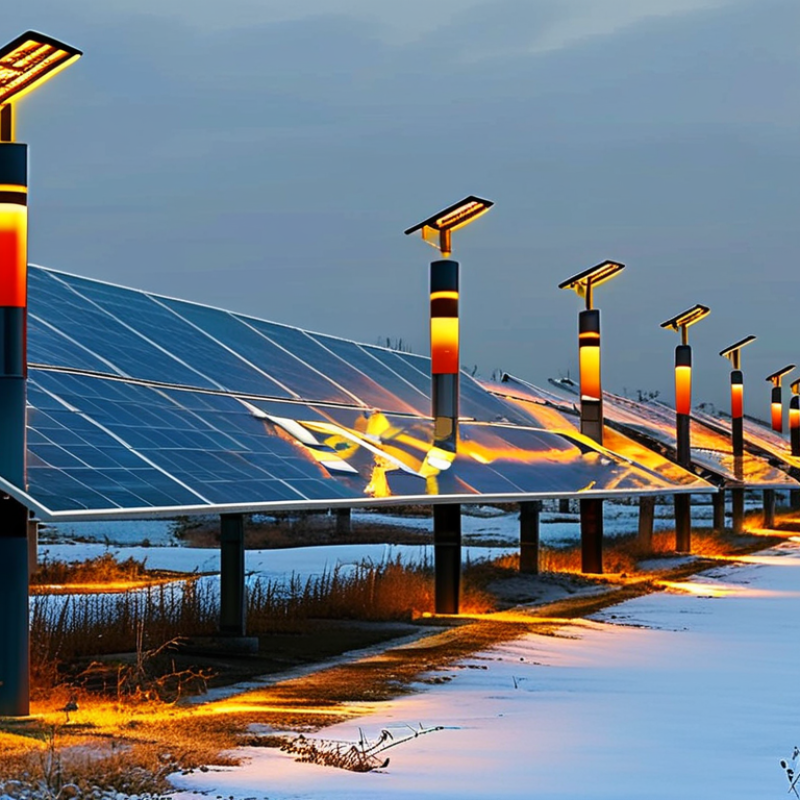
A solar street light is an outdoor lighting system powered by sunlight, not a conventional electric grid. It normally combines a photovoltaic panel, LED lamp, rechargeable battery, controller, and mounting pole. During daylight, the panel converts sunlight into electricity. The controller stores that energy in the battery. After sunset, the lamp switches on automatically, often through a light sensor.
Its value is practical. A solar street light can illuminate roads, paths, parking areas, and remote communities without trenching underground cables. The World Bank’s Global Electrification Database reported that about 685 million people lacked electricity access in 2022. Off-grid lighting can support safer movement, although lighting alone cannot solve wider infrastructure problems. The U.S. Department of Energy also reports that LED lighting uses at least 75% less energy and can last up to 25 times longer than incandescent lighting. Solar systems still need careful design. Poor weather, dust, shading, and battery aging can reduce nighttime performance.
Tips: Check local sunlight, pole spacing, battery capacity, and required backup hours before installation. Keep panels clear of leaves and dust. Do not assume “maintenance-free.” That claim is too simple. A technician should inspect batteries, wiring, fasteners, and light output regularly. In my view, dimming after midnight can extend battery life, but safety requirements must guide the setting. Performance estimates are useful, yet real streets are rarely perfect.
What Are the Main Components of a Solar Street Light?
A solar street light is a self-contained lighting system. It collects sunlight by day and illuminates roads, paths, and public spaces after dark. The photovoltaic panel is the first major component. According to IEA PVPS Trends 2024, global solar capacity exceeded 1.4 terawatts by the end of 2023. This growth has improved panel availability, but efficiency still depends on orientation, shading, dust, and seasonal weather.
The battery stores daytime electricity for nighttime operation. Lithium-based batteries are common because they offer useful energy density and cycling performance. However, heat can shorten battery life. The charge controller manages charging, discharge, and low-voltage protection. It is small, but critical. The LED module converts stored electricity into light, while its optical lens shapes the beam across the pavement. A photocell or motion sensor can adjust brightness, reducing unnecessary consumption. The U.S. Department of Energy reports that LED lighting can use at least 75% less energy than traditional incandescent lighting.
The pole, wiring, waterproof enclosure, and mounting brackets complete the system. Protection against rain, dust, vibration, and vandalism matters as much as wattage. IRENA’s Renewable Power Generation Costs in 2023 reported that utility-scale solar electricity costs fell sharply since 2010, yet installation quality still determines real-world value. One weak connector can disable a whole lamp. That detail is easy to overlook. In practice, battery sizing also needs local records, not guesses, because cloudy weeks can expose an undersized design.
What Is a Solar Street Light and How Does It Work?
A solar street light uses a photovoltaic panel to convert sunlight into electricity. A charge controller manages the energy, a rechargeable battery stores it, and an LED lamp uses the stored power at night. The chart shows the nightly energy required by common LED power ratings when the lamp operates for 12 hours.
Main components: solar panel, charge controller, rechargeable battery, LED lamp, light pole, and mounting structure.
How Does a Solar Street Light Generate and Store Energy?
A solar street light converts sunlight into electricity through a photovoltaic panel mounted above the fixture. During daylight, solar cells absorb photons and create direct current. A charge controller regulates this power before it reaches the battery. This prevents excessive charging and protects the battery from deep discharge. At dusk, a light sensor signals the controller to activate the LED lamp. That cycle is automatic.
The battery stores surplus energy for nighttime operation. Many systems use lithium-based or sealed lead-acid batteries, depending on climate, budget, and maintenance requirements. The controller releases stored electricity gradually, helping the lamp maintain steady brightness. Some models reduce output after midnight to conserve energy. Cloudy weather can limit charging, however. A small battery may not support several dark nights.
Reliable design requires local solar data, not guesswork. Engineers estimate daily sunlight, expected lighting hours, battery capacity, and seasonal losses. Panel angle and shading also affect generation. Dust can reduce output more than people expect, especially near dry roads. Regular cleaning and battery checks improve performance. Still, no design is perfect. Extreme cold, heavy rain, or poor installation can shorten operating time. A practical inspection should compare actual nighttime brightness with the original energy calculations.
What Is a Solar Street Light and How Does It Work? — How Does a Solar Street Light Generate and Store Energy?
| System Element | Primary Function | How It Works | Typical Data or Range | Energy Flow |
|---|---|---|---|---|
| Solar photovoltaic panel | Generates electricity from sunlight | Photovoltaic cells convert solar radiation into direct-current electricity through the photovoltaic effect. | Common system rating: approximately 20–150 W, depending on lamp power, location, and required autonomy | Sunlight → DC electricity |
| Solar charge controller | Regulates charging and protects the battery | Controls voltage and current from the panel, prevents overcharging, and may disconnect the load when the battery reaches a low-voltage limit. | Often uses PWM or MPPT charging; MPPT can extract more energy under changing light conditions | Panel → Controller → Battery |
| Rechargeable battery | Stores energy for nighttime operation | The battery stores electrical energy during daylight and releases it after sunset. Common chemistries include lithium-ion and lead-acid types. | Typical nominal voltage: 12 V or 24 V; capacity varies with lamp power, climate, and required backup time | DC electricity ⇄ Chemical energy |
| LED luminaire | Produces roadway or pathway illumination | Light-emitting diodes convert electrical energy into visible light. LEDs generally provide high efficacy and directional illumination. | Common power range: approximately 10–100 W; actual selection depends on road width, mounting height, and lighting requirements | Battery → DC power → Light |
| Photocell or light sensor | Detects day and night conditions | The controller uses ambient-light measurements to switch the lamp on near dusk and off near dawn. | Operation is based on ambient illuminance rather than a fixed clock time | Ambient light → Control signal |
| Control and dimming circuit | Optimizes energy use and lighting schedules | It can reduce LED output during low-traffic hours, provide motion-based illumination, and monitor battery status. | Programmable schedules may use several brightness levels across the night | Sensor or timer → Driver and LED control |
| LED driver or DC converter | Provides suitable electrical power to the LEDs | It regulates current or voltage so the LED array operates within its specified electrical limits. | Conversion efficiency varies by design and operating conditions | Battery DC → Regulated LED power |
| Mounting pole and panel support | Positions the light and solar panel | The pole elevates the luminaire and supports the panel at an orientation intended to receive adequate sunlight while maintaining structural stability. | Typical mounting heights vary from about 4–12 m according to the application | Mechanical support; no direct energy conversion |
| Daytime energy-generation cycle | Recharges the energy-storage system | The panel produces electricity while sunlight is available, and the controller directs suitable charging current into the battery. | Generation changes with solar irradiance, shading, temperature, panel angle, and weather | Solar radiation → Panel → Controller → Battery |
| Nighttime lighting cycle | Provides illumination without a utility-grid connection | After the sensor detects darkness, stored battery energy powers the LED luminaire through the controller and driver. | Operating duration commonly targets one full night; the exact time depends on design and battery state | Battery → Controller → LED light |
| Autonomy period | Maintains operation during poor weather | The system is designed with additional battery capacity, panel capacity, or dimming control to continue operating after limited sunlight. | Often specified as a number of backup nights; the required value depends on local climate and service expectations | Stored energy → Extended lighting operation |
| Energy-balance factors | Determine whether the system can meet its lighting target | Designers compare daily solar energy harvested with energy consumed by the luminaire, controller, and other loads, while accounting for conversion and storage losses. | Key variables include solar resource, LED wattage, operating hours, dimming profile, battery capacity, and system efficiency | Generated energy ≥ Scheduled consumption over the design period |
Note: Actual specifications vary by location, lighting class, mounting height, seasonal solar conditions, battery chemistry, and required operating schedule.
How Does It Provide Lighting at Night?
At night, a solar street light uses energy stored during daylight. Its solar panel converts sunlight into electrical energy. A charge controller manages this power and protects the battery from overcharging. The battery then keeps the stored electricity available after sunset.
When evening arrives, a light sensor detects the falling brightness. The controller switches on the LED lamp automatically. The LED produces a focused, steady beam along roads, sidewalks, and small public areas. Some systems reduce brightness during quiet hours and increase it when movement is detected. This approach can extend battery life without leaving streets completely dark.
The lighting performance depends on more than the panel itself. A clear, unshaded location usually collects more energy. Heavy rain, dust, snow, and several cloudy days can reduce the available charge. The battery may also lose capacity as it ages. In practice, poor installation can create disappointing results, even with good equipment. The lamp might switch on early or remain dim before morning. That is not always a product fault; nearby trees or incorrect sensor settings may be responsible.
A practical design considers local sunlight, winter conditions, traffic levels, and required lighting hours. Technicians should check the panel angle, battery condition, cable connections, and LED output during maintenance. Small details matter. A bright lamp is useful, but consistent overnight operation matters more.
What Are the Applications, Benefits, and Limitations?
A solar street light combines a photovoltaic panel, battery, LED fixture, controller, and pole. During daylight, the panel converts sunlight into electricity and charges the battery. After sunset, a sensor activates the LED, often at reduced brightness during quiet hours. Motion detection can restore full illumination when pedestrians or vehicles approach.
Nightly autonomy matters.
Its applications include rural roads, public parks, bus stops, campuses, construction areas, and emergency access routes. These systems are useful where grid extension is expensive or physically difficult. IRENA’s Renewable Capacity Statistics 2024 reported 1,419 GW of global solar capacity at the end of 2023. This scale supports stronger supply chains, although street-light performance still depends on local engineering.
The World Bank’s Global Off-Grid Solar Market Report 2022 estimated that off-grid solar products served about 490 million people. That figure shows the practical value of decentralized lighting.
Solar street lights can reduce trenching, cable use, and electricity bills. They also continue operating during some grid outages. The promise is conditional. Cloudy weeks, dust, tree shade, and high temperatures reduce charging efficiency. Battery aging remains a major limitation. An incorrectly sized battery may leave a road dark before dawn.
In field assessments, installers should check solar irradiation, traffic patterns, drainage, and maintenance access. A bright lamp is not always a good lamp. Excessive brightness can waste energy and disturb nearby homes, insects, or wildlife. Small pilot installations and seasonal monitoring often reveal problems that design drawings miss.