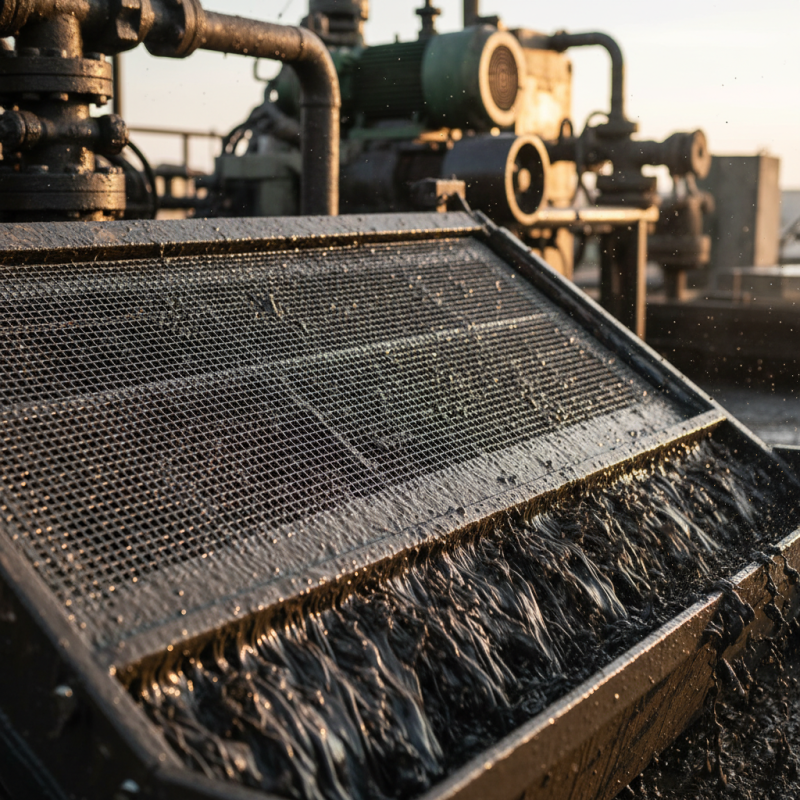
Essential Tips for Choosing the Best Shale Shaker Screen?
Choosing the right shale shaker screen is vital in the drilling industry. The screen plays a critical role in solid-liquid separation. According to a recent market report, the shale shaker screen market is projected to reach $1.2 billion by 2025, reflecting its importance.
Selecting an effective shale shaker screen improves drilling efficiency. A quality screen can enhance the mud recycling process and reduce costs. However, many operators overlook key factors when making their choice. For instance, screen mesh size, durability, and material are crucial considerations.
Neglecting these aspects can lead to increased downtime or subpar performance. It's essential to evaluate suppliers and screen types carefully. Industry data shows that improper selection often results in up to 30% more waste. Hence, a thorough assessment of needs and capabilities can prevent costly mistakes in the long run.
Understanding the Role of Shale Shaker Screens in Drilling Operations
Shale shaker screens play a vital role in drilling operations. They separate rock cuttings from the drilling fluid. Effective screens enhance drilling efficiency and reduce costs. According to industry reports, proper screen selection can improve solids control by up to 90%. This significantly impacts overall drilling performance.
Different drilling environments demand specific screen characteristics. For instance, screens with finer mesh sizes are ideal for deeper wells. They hold back smaller particles. However, these screens can easily clog in adverse conditions. Regular maintenance is essential to avoid unexpected down-time. Industry studies show that nearly 30% of drilling delays are linked to screen issues.
Moreover, the material composition of shale shaker screens matters. High-quality materials resist wear and tear. According to recent data, screens made from composite materials outperform traditional steel screens. They last longer and handle higher volumes of drilling mud. Choosing the right screen is crucial but often overlooked. Inadequate selection leads to inefficiencies, increasing operational costs. Hence, investing time in understanding screen specifications can save resources in the long run.
Essential Tips for Choosing the Best Shale Shaker Screen
This chart illustrates the importance level of various criteria when selecting the best shale shaker screens for drilling operations. Key factors such as cost, durability, separation efficiency, maintenance, and material quality are crucial for making an informed choice.
Key Factors to Consider When Selecting Shale Shaker Screens
When selecting shale shaker screens, the mesh size is a critical factor. Mesh size determines how well the screen separates solids from fluids. A finer mesh captures smaller particles, but can also lead to clogging. You must find a balance. Too fine can hinder flow; too coarse might let unwanted solids pass. It's essential to assess the material you will process. Fluid characteristics can greatly influence your decision.
Another key factor is the screen's durability. Consider the screen's construction and material. Opt for options that withstand harsh drilling environments. A more durable screen will perform better and reduce replacement costs. Additionally, pay attention to the screen's compatibility with your shale shaker. Poor fit can lead to decreased efficiency. A mismatch may result in leaks or increased wear, which is often overlooked in the selection process.
Lastly, consider the cost-effectiveness of your choice. Investing in high-quality screens can lead to long-term savings. However, avoid overspending on features that may not be necessary for your operations. Reflect on your specific needs and usage patterns. Sometimes, compromise is required. Finding the ideal shale shaker screen may take time and careful evaluation. The right choice is essential for optimal drilling performance.
Essential Tips for Choosing the Best Shale Shaker Screen
| Factor | Description | Importance Level |
| Mesh Size | Select the appropriate mesh size for your specific drilling mud type and application. | High |
| Material Quality | Choose screens made from durable materials to ensure longevity and performance. | High |
| API Spec Compliance | Ensure that the screens comply with API specifications for standardization. | Medium |
| Shaker Type Compatibility | Verify that the screen is compatible with your specific shaker model. | High |
| Cost | Evaluate the cost-effectiveness without compromising on quality. | Medium |
| Ease of Installation | Consider how easy it is to install and replace the screens in your shaker. | Low |
| Brand Reputation | Research the reputation of the manufacturer for reliability and service. | Medium |
Types of Shale Shaker Screens and Their Applications
When it comes to shale shaker screens, understanding their types is crucial. Different screens serve various purposes in the drilling process. There are primarily three types: wire mesh screens, composite screens, and polyurethane screens. Each type has distinct features and applications that cater to specific drilling environments. For instance, wire mesh screens are cost-effective and provide good durability for less abrasive materials. Their lifespan is typically around 200 operational hours.
Composite screens, on the other hand, are designed for high-performance applications. According to industry reports, they can last up to three times longer than traditional screens. Their unique construction allows for increased flow rates while maintaining solid separation. Polyurethane screens excel in environments with extremely abrasive materials. They are flexible and resistant to wear, enabling them to adapt to various drilling conditions.
Choosing the right screen is often a complex task. Misunderstanding the types and their applications can lead to inefficiencies. Many companies report frequent screen replacements due to poor initial selection. It highlights the need for careful analysis when deciding on the best types of shaker screens for specific conditions. A mistake here can mean increased downtime and costs, emphasizing the importance of informed decision-making.
Evaluating Material Quality and Durability of Shale Shaker Screens
When choosing shale shaker screens, material quality and durability are crucial criteria. The screens should withstand the harsh conditions of drilling operations. They are subjected to high pressures and abrasive materials, making robust construction essential. According to a recent industry report, screens made with premium stainless steel can last up to 50% longer than those with standard materials.
The woven mesh design is another factor that impacts durability. A high mesh count can enhance the filtration efficiency. However, this comes at the cost of reduced material strength. A balance must be struck to achieve optimal performance. Research indicates that screens that are too fine can clog easily, reducing flow rates and efficiency.
Regular maintenance and inspection of shale shaker screens can extend their lifespan. It is critical to monitor for wear and tear. Visual checks for any signs of damage are important. An unattended screen can lead to costly downtime. Data shows that replacements not regularly monitored can lead to up to a 30% increase in operational costs. Balancing quality with cost is often a reflection of this ongoing challenge.
Maintenance Tips for Prolonging the Life of Shale Shaker Screens
Maintaining shale shaker screens is crucial for optimal performance. Regular inspections can help detect wear and damage early. Check for any signs of tears or holes, as these can worsen over time. Cleaning screens regularly prevents the buildup of mud and debris. Use a gentle method with water or a soft brush to avoid damaging the mesh.
It's important to store screens properly when not in use. Avoid stacking them directly on top of each other without protection. This can lead to deformation and reduced effectiveness. Training operators on proper handling techniques is vital. Mistakes during installation can lead to improper tensioning, affecting screen life. Addressing these issues can save costs in the long run.
Tracking the lifespan of screens is another key practice. Keep a log of usage and performance metrics. This helps identify patterns and prompts timely replacements. Sometimes a screen may seem fine but underperform; this indicates potential hidden damage. Reflecting on these aspects can lead to better maintenance strategies and improved operational efficiency.