Top 5 Tips for Choosing Foam Rubber Foam Insulation Tube?
Choosing the right Foam Rubber Foam Insulation Tube is crucial for effective insulation. Various factors can affect your decision. Understanding these factors can save you time and money.
When selecting a foam insulation tube, consider the specific application. Different environments require different insulation properties. Not all tubes fit all needs. Quality matters. Cheap options may lead to future issues, such as heat loss or condensation problems.
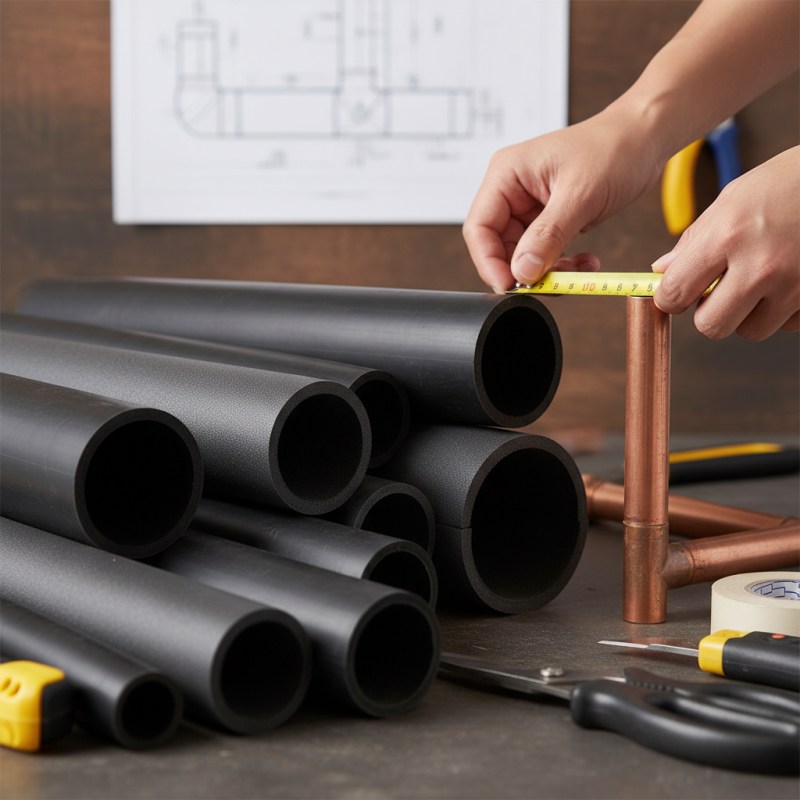
It's also essential to check the fit. An improper fit can compromise insulation performance. Take accurate measurements before purchasing. This attention to detail can prevent unnecessary waste. Remember, the goal is efficiency. Investing in the right insulation tube enhances energy savings in the long run. Evaluate your options carefully.
Understanding Foam Rubber Insulation: Key Properties and Benefits
Foam rubber insulation offers significant advantages in both thermal and sound insulation. Its lightweight nature makes it easy to handle during installation. The material is also flexible, which allows for a tight fit around pipes and ducts. This adaptability helps minimize energy loss, reducing overall heating and cooling costs.
The key properties of foam rubber insulation include excellent thermal resistance and sound dampening qualities. It acts as a buffer against temperature fluctuations. This means that in extreme weather, your space remains comfortable. Also, the material is often resistant to moisture and mold, enhancing its durability.
However, it's crucial to consider the specific environment where the insulation will be applied. In practice, not all foam rubber tubes are equal. You may find variations in density and thickness. These can affect performance in different applications. It’s important to reflect on what your project requires. The right choice will depend on factors like climate, installation location, and purpose. Making an informed decision ensures optimal insulation benefits.
Evaluating the Right Thickness for Foam Rubber Insulation Tubes
When choosing foam rubber insulation tubes, thickness is one of the most critical aspects to consider. A thicker tube provides better insulation, preventing heat loss in piping systems. However, oversizing can lead to complications. For instance, thicker tubes may not fit tight spaces well. This can restrict airflow or access, complicating installations. Evaluating your specific needs is essential.
The right thickness depends on several factors. For example, the temperature range of the material and the environmental conditions play a significant role. Additionally, the type of fluid inside the pipes affects insulation requirements. A hot water pipe might need more insulation compared to cold water. Conducting a quick assessment of your home or business's insulation needs can save energy and reduce costs.
Sometimes, users overlook the importance of precise measurements. A small error can lead to significant insulation gaps, which may compromise energy efficiency. Take your time to measure correctly and consider re-evaluating existing setups. You might find that adjusting thickness can yield better results. Remember, it's about striking the right balance between insulation and practicality.
Considering the Temperature Range for Optimal Performance
When selecting foam rubber insulation tubes, understanding the temperature range is crucial for optimal performance. Different materials offer varying thermal resistance and efficiency. According to industry reports, foam rubber can perform well in temperatures as low as -40°F and as high as 200°F. This range allows for diverse applications, from HVAC systems to plumbing and industrial processes.
Choosing insulation that matches your specific temperature needs can prevent energy loss. For instance, if your system regularly operates near its upper temperature limit, opting for higher-performance foam can yield significant energy savings. A study from the Department of Energy suggests that high-quality insulation can reduce energy costs by up to 30%. However, not all foam rubbers are created equal; some may degrade when exposed to extreme temperatures, leading to reduced efficiency.
It's essential to consider the environment where the insulation will be used. If humidity levels are high, certain foams may absorb moisture, diminishing their thermal properties. Review the installation environment carefully. The right choice involves not just temperature ratings, but also durability and environmental factors. This ensures that you’ll achieve the best performance from your insulation solution over time.
Comparing Different Foam Materials: Which Is Best for Your Needs?
When selecting foam rubber insulation tubes, understanding the material is crucial. Different foam materials offer unique properties. Polyethylene foam is widely recognized for its durability and closed-cell structure. This design helps resist moisture and provides excellent thermal insulation. Studies show that closed-cell foams can have an R-value of 6 to 7 per inch, making them effective for energy conservation.
On the other hand, open-cell foam, like polyurethane, is less dense and more flexible. It excels in sound insulation and cushioning applications. However, it absorbs moisture, which may not be suitable for all environments. A report from the American Society of Heating, Refrigerating and Air-Conditioning Engineers highlights the importance of considering the application’s specific requirements—be it thermal insulation, soundproofing, or vibration absorption.
It's crucial to reflect on your project’s conditions. For instance, in areas with high humidity, a closed-cell foam may be the only viable option. The design choices made can significantly affect the insulation's performance and longevity. Thus, assess all factors thoroughly before making a decision.
Assessing Installation Ease and Compatibility with Existing Systems
When selecting foam rubber insulation tubes, consider the installation process. It's crucial to assess how these tubes fit into your existing systems. Different homes have unique heating and cooling configurations. A seamless installation can enhance efficiency. Also, ensure you have the right tools on hand. Missing a simple tool can complicate the task.
Compatibility is another key factor. Check dimensions carefully. The foam tube should snugly fit around pipes or ducts. Gaps can lead to ineffective insulation. Look for flexibility in the material. This can help in tight spaces and corners. Ensure the insulation fits without forcing it into place, which might cause damage.
Reflecting on the ease of installation, prepare for possible hiccups. Not every product will fit perfectly due to variations in existing systems. It's wise to read user reviews or seek advice. Assess whether the insulation is user-friendly. Many people find that simple installations can lead to better insulation performance.