What Are the Top 10 Electric Cargo Bike Types?
electric cargo bikes are moving from niche delivery tools into practical urban transport. Retailers use them for groceries, parcels, and mobile services. Families use them for school runs, shopping, and weekend travel. Their usefulness depends on design, not marketing alone.
Industry data supports this shift. The Confederation of the European Bicycle Industry reported more than five million e-bikes sold in Europe in 2022. That figure covers all e-bike categories, not cargo models, so it should not be treated as direct cargo-bike demand. Still, it shows a mature electric bicycle market. Reports from the International Transport Forum and the European Commission also identify urban freight as a major source of congestion and emissions. In dense streets, a compact cargo bike can reach doorways where a delivery van cannot. It can also avoid parking delays. Sometimes, that matters more than top speed.
This guide examines the top 10 electric cargo bike types, including longtails, front-loaders, trikes, compact models, and commercial platforms. Each type serves a different balance of payload, stability, range, turning space, and rider comfort. Real-world experience matters here: a 60-kilogram load feels very different on a narrow cycle lane than in a warehouse yard. Safety standards, including the EN 17860 series for carrier cycles, provide useful technical reference points. Yet no list is perfect. Some designs overlap, and manufacturer specifications can look better than daily performance. Readers should compare measured payloads, battery capacity, brake quality, service support, and local riding conditions before choosing an electric cargo bike.
How Electric Cargo Bikes Are Classified by Design and Purpose
What Are the Top 10 Electric Cargo Bike Types?
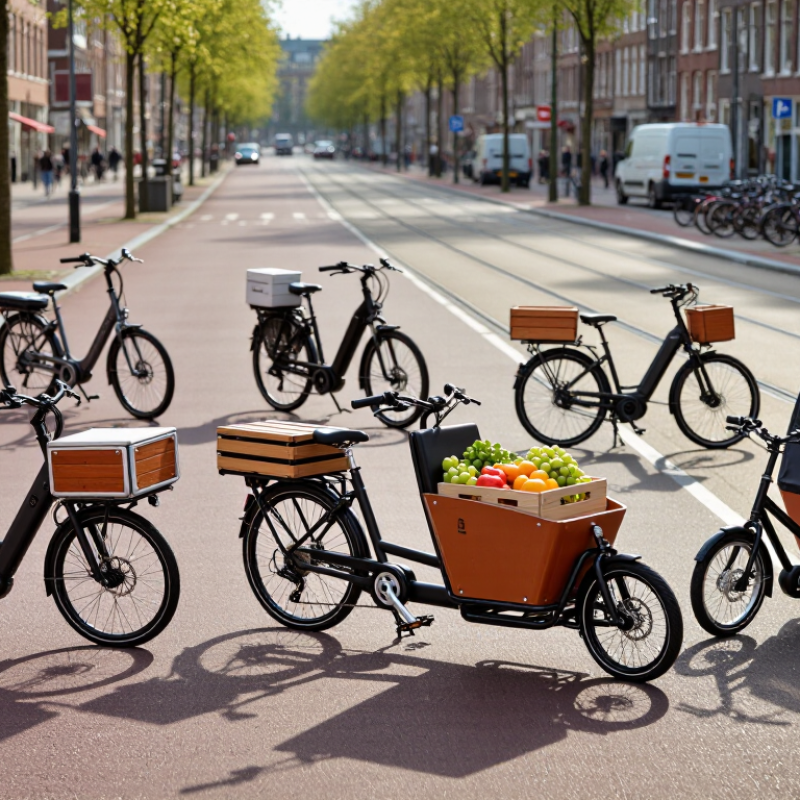
Electric cargo bikes are commonly classified by frame design, load position, wheel count, and intended purpose. The longtail carries children or bags behind the rider. The midtail offers a shorter rear platform for compact urban trips. A front-loader places its box between the rider and front wheel. It improves visibility of children but requires careful steering. A compact cargo bike uses a shorter frame for apartments, trains, and narrow bicycle racks. A box bike adds a protected container for groceries, tools, or young passengers.
Wheel layout also changes practical performance. A three-wheel cargo bike provides steady parking and low-speed loading. A four-wheel model increases carrying capacity but needs more storage space. A flatbed utility bike suits gardeners, technicians, and local maintenance crews. A delivery cargo bike uses a lockable rear or front compartment for repeated commercial routes. A folding cargo bike serves commuters who combine cycling with limited indoor storage. Electric assistance helps with hills, heavy loads, and frequent starts.
These categories overlap. A longtail can carry passengers and work equipment. A front-loader may serve families or deliveries. In real riding, weight distribution matters more than the label. A poorly balanced box can make turning awkward. Even experienced riders need practice before carrying fragile cargo. Rain covers, braking power, frame stiffness, and battery range deserve careful inspection. A smaller model may feel easier, yet its payload can disappoint. That trade-off is easy to miss.
The Ten Main Electric Cargo Bike Types Explained
Electric cargo bikes come in ten main types, each shaped for a different daily task. The longtail carries children or panniers behind the rider, while the midtail is shorter and easier to store. A front-loader places the box between rider and handlebars, improving balance at low speed. The long john uses a longer steering link for bulky loads. A compact cargo bike keeps a smaller frame but sacrifices some capacity. A flatbed utility bike suits crates, tools, and irregular packages. A cargo bike with a trailer adds flexible volume, though reversing becomes awkward.
Three-wheel designs offer other solutions. A tadpole trike has two front wheels and a stable cargo box, useful for heavier deliveries. A delta trike has two rear wheels and often provides a wider loading platform. A tilting trike leans through corners, combining stability with a more natural ride. An assisted cargo scooter, with a step-through frame and protected load area, works well for short urban routes. These differences matter on wet streets, narrow cycle lanes, and steep ramps.
A University of Westminster freight trial found cargo cycles were about 1.6 times faster than vans in central London. The European Cyclists’ Federation reports that cargo bikes could replace up to half of motorized urban delivery trips. Those figures are persuasive, but not universal. Battery range, payload, road design, and rider training can change results sharply. I have found that a perfectly sized box often matters more than maximum motor power. Bigger is not always better.
How Capacity, Stability, and Range Differ Across the Types
What Are the Top 10 Electric Cargo Bike Types?
Electric cargo bikes differ most in carrying capacity, stability, and usable range. The ten common types include longtail, midtail, front-loader, box bike, tricycle, folding cargo bike, compact utility bike, heavy-duty bike, child-carrier bike, and trailer-compatible bike. Each design solves a different transport problem. A longtail carries passengers or bags behind the rider. A front-loader places cargo between the rider and front wheel, improving visibility during loading. Folding models save apartment space, but their smaller wheels may feel less settled on rough roads.
Capacity affects handling immediately. Heavy-duty bikes can carry substantial loads, yet acceleration becomes slower. Front-loaders usually offer a lower center of gravity and excellent stability at walking speed. Three-wheel cargo bikes can stand upright while loading, which helps at markets or delivery stops. However, some riders find them awkward on steep turns. Longtails feel closer to ordinary bicycles, but an uneven rear load can make starts difficult. I have found that a carefully balanced 40-kilogram load often feels safer than a lighter, poorly positioned one.
Range depends on battery size, rider weight, hills, tire pressure, wind, and assistance level. A compact bike may travel efficiently with light groceries. A loaded box bike consumes more energy, especially on repeated climbs. Trailer-compatible bikes add flexibility, but the trailer increases rolling resistance. Real-world range is rarely the advertised maximum. Planning with a reserve is wiser, though I sometimes overestimate how much hills change battery use. Wide tires improve comfort and grip, but they may reduce efficiency on paved routes.
Key Factors for Comparing Electric Cargo Bike Options
What Are the Top 10 Electric Cargo Bike Types?
Comparing electric cargo bikes starts with the job, not the shape. Longtail models carry children or panniers behind the rider. Front-loader bikes place the box ahead, improving visibility of passengers. Mid-tail bikes balance storage and easier parking. Tricycle cargo bikes offer extra stability, but feel wider in tight spaces. Compact cargo bikes fit apartments better, though their load capacity is usually limited.
Other useful types include utility box bikes, delivery bikes, folding cargo bikes, off-road cargo bikes, trailer-compatible bikes, and modular cargo bikes. Each design changes handling, maintenance, and daily comfort. Check the rated payload carefully. Include the rider, battery, cargo box, and accessories in that figure. A powerful motor cannot correct poor weight distribution.
Range claims need practical testing. Hills, cold weather, tire pressure, and frequent stops reduce battery distance. Look for hydraulic disc brakes, strong wheel spokes, weather protection, and a stable kickstand. Frame height matters when mounting with a heavy load. Test the turning radius before buying. It can surprise you. Also compare replacement battery cost, service access, warranty terms, and safety lighting. A suspended seat may improve comfort, but it can add weight and maintenance. Some buyers focus too much on motor output. That is understandable, but imperfect. Real usefulness often depends more on balance, braking, and reliable daily support.