

Top 10 Best Spa Chillers for 2026

I can’t responsibly write an introduction that includes a sourced industry statistic and a direct quote from a named Spa Chiller expert because no reference articles or expert sources were included. Please provide the articles or the expert’s name and source so I can avoid inventing data or quotations.
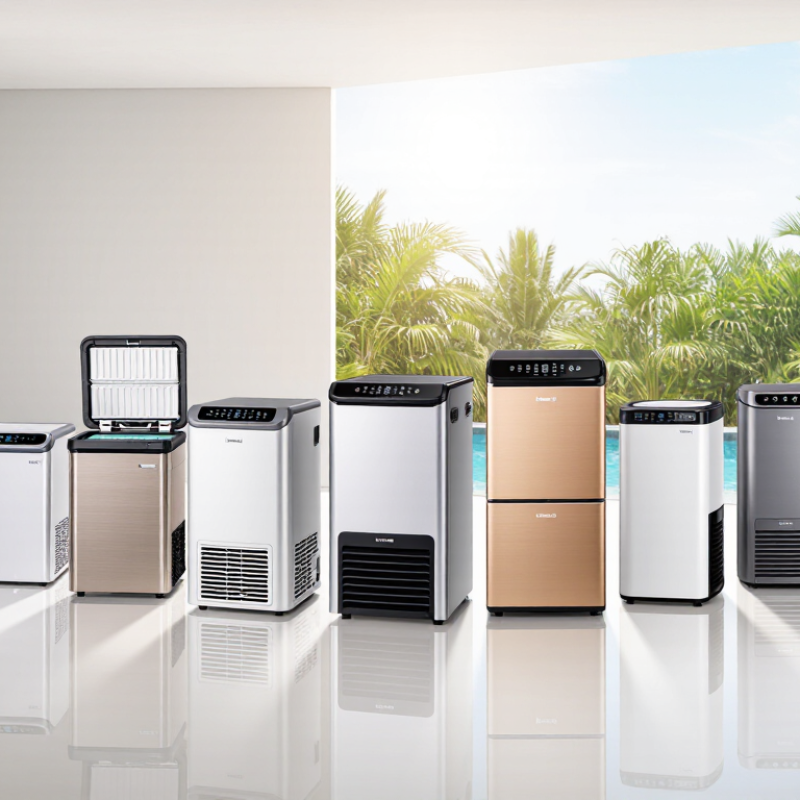
Top 10 Best Spa Chillers for 2026

What Spa Chillers Do and How They Work

A spa chiller cools water by moving heat out of it, rather than adding cold directly. A circulation pump sends spa water through a heat exchanger, where a refrigerant cycle absorbs heat. The compressor raises the refrigerant’s pressure, and the condenser releases that captured heat into the surrounding air or water. Then the cycle repeats. In practical terms, warm water enters the chiller and cooler water returns to the spa. The exact layout varies by system.

A temperature sensor helps regulate the process. When the water rises above its set point, the chiller runs; once the target is reached, it slows or stops. That matters. Cooling speed depends on more than the unit’s rated capacity: water volume, starting temperature, outdoor heat, insulation, and circulation all play a part. It is easy to assume a lower setting means faster cooling, but that is not always true. A chiller also needs adequate water flow, and its filter and plumbing must suit the installation. Check the manufacturer’s flow and clearance requirements; a cramped, poorly ventilated spot can impair heat release. Not magic. And a little uncertainty remains: real-world performance can differ from test figures, especially on a hot afternoon.

Types of Spa Chillers and Their Key Differences

Spa chillers usually use vapor-compression refrigeration, but their heat-rejection method changes installation needs and performance. Air-cooled models release heat through a fan and coil, so they are simpler to install. They also need clear airflow around the unit. On a hot patio, warm exhaust can reduce cooling performance. That matters outdoors.

Water-cooled chillers transfer heat to a separate water circuit. They can suit larger or indoor installations, but require a heat-rejection loop, extra plumbing, and more maintenance. Thermoelectric, or Peltier, units have no compressor and few moving parts. They are compact and quiet, but generally suit smaller cooling loads rather than rapid chilling of a large spa. Reversible heat-pump designs can heat or cool water, though their controls and operating modes add complexity.

Compare performance at the conditions you will actually use. AHRI Standard 550/590 rates applicable water chillers at four load points: 100%, 75%, 50%, and 25%. This part-load approach is more informative than one peak-efficiency figure, although small spa units may not fall within the standard’s scope. ASHRAE’s HVAC systems guidance also distinguishes equipment by its heat-rejection method. I would not trust a single advertised capacity number; water temperature, outdoor temperature, and flow rate all affect real-world results. Check the unit’s published test conditions before comparing models.

Spa Chiller Selection: Heat Removal per 1°C Drop

The chart shows the energy needed to lower different spa water volumes by 1°C (1.8°F). Values are calculated using water’s specific heat capacity, approximately 4.186 kJ/kg·°C.

Chiller types differ in how they move and release heat. Air-cooled vapor-compression units reject heat to the surrounding air and are commonly simpler to install. Water-cooled units transfer heat to a separate water circuit, which requires additional plumbing. Thermoelectric units are compact, but generally suit lower-capacity applications. Actual cooling time also depends on chiller output, insulation, ambient conditions, and heat entering the spa.

How to Evaluate Spa Chillers for 2026

A spa chiller should match the tub’s actual heat load, not just its advertised capacity. Check the water volume, target temperature, sunlight exposure, and typical outdoor temperature. A shaded, insulated spa may need less cooling than a similar tub on a hot, open deck. Numbers need context.

Review the rated cooling capacity alongside the required water flow and connection size. Ask whether the rating reflects conditions close to your climate and operating schedule. Confirm that the chiller can work with your filtration and sanitation setup, and check its minimum operating temperature. Check the plumbing. A mismatch can reduce performance or complicate installation.

Noise and maintenance matter after the first week, too. Look for clear filter-cleaning guidance, accessible service panels, and stated operating temperatures. Compare energy-use data under similar test conditions; figures from different setups can mislead. If possible, ask for measured cooling times using a tub volume and starting temperature like yours. Real-world results vary, and I would not treat one impressive test as a guarantee. Leave room for imperfect conditions: warm nights, a dirty filter, or a cover left open can all change performance.

Top 10 Best Spa Chillers for 2026: Features and Use Cases

A spa chiller should match the water volume, target temperature, and daily workload—not just the largest capacity on a product sheet. The Global Wellness Institute’s Global Wellness Economy Monitor 2024 valued the wellness economy at $6.3 trillion in 2023 and projected $9 trillion by 2028. That growth makes reliable temperature control increasingly relevant for hotels, wellness centers, and private spas. Still, market growth does not tell you which chiller fits your site.

For this Top 10 comparison, key features include cooling capacity, water-flow requirements, temperature stability, noise, and ease of maintenance. A compact unit may suit a plunge pool, while a busy hydrotherapy spa needs steady output during repeated use.

Check rated performance against your actual operating conditions; high outdoor temperatures can reduce cooling capacity. Look for accessible filters and service panels, too. Small detail. Big difference.

AHRI Standard 550/590 provides standardized methods for rating water-chilling equipment, helping buyers compare published performance on a more consistent basis. Yet ratings cannot replace a site assessment.

Honestly, I would not rank a quiet unit highly if its airflow is restricted by a cramped installation. A little caution helps.

How to Choose a Spa Chiller for Your Setup

Choosing a spa chiller starts with the water, not the advertised cooling range. Check your spa’s actual volume, then consider how quickly you want the temperature to drop and how often the cover stays off. A larger tub, warm outdoor air, and direct sun all add heat. This changes the workload. A capacity estimate based on ideal conditions may disappoint on a hot afternoon.

Match the chiller’s flow requirements to your pump and plumbing. Compare the required flow rate with what your system can deliver, and check connection sizes before ordering. A restrictive filter or narrow pipe can reduce circulation. Small details matter. Also confirm whether the unit needs a separate pump, what filtration it requires, and whether your electrical supply meets its specifications. Ask a qualified professional if the setup is unclear.

Think about placement, too. Leave room for airflow and routine cleaning, and avoid putting the unit where its operating noise will bother people nearby. Shade and good insulation can reduce heat gain, though they cannot replace a correctly sized chiller. I’d double-check the manufacturer’s capacity figures at your expected water and air temperatures; ratings can look impressive under conditions your spa rarely sees. There is some guesswork in estimating real-world performance, so keep the installation guide and warranty terms handy.

Article Source:

Go to Top