Top Back Stretcher Boards for Back Pain Relief
Back pain can make ordinary movements feel surprisingly difficult. A chair, a car ride, or the first steps after waking may bring a familiar ache. The World Health Organization’s 2023 low back pain fact sheet, based on Global Burden of Disease estimates, reports that 619 million people experienced low back pain in 2020. It projects that figure could reach 843 million by 2050. Those numbers explain why simple home options attract attention. They do not prove that every device works.
A Back Stretcher Board is designed to support a gentle back extension, often through raised ridges or adjustable arch settings. Some users describe a mild pulling sensation across the lower back. Others find the pressure uncomfortable. Small details matter: a stable floor, gradual use, and stopping if pain worsens. Not magic. The American College of Physicians’ clinical practice guideline recommends several non-drug approaches for low back pain, including exercise and other therapies, depending on the condition. It does not establish stretcher boards as a proven treatment. That distinction is important.
This guide compares popular back stretcher boards by design, comfort, adjustability, and practical safety features. It also considers who may want professional advice before trying one. Evidence for these boards remains limited, and personal experience is not the same as clinical proof. A useful choice should feel controlled, not forceful. Pain that is severe, persistent, or accompanied by concerning symptoms deserves medical assessment rather than guesswork.
Understanding Back Stretcher Boards and Their Intended Uses
Back stretcher boards are curved platforms designed to support a gentle backward arch. Their intended use is brief, controlled stretching, not forceful spinal traction or treatment of a diagnosed condition. A person typically lies on the board with knees bent and feet resting on the floor. The curve should feel like a mild stretch, not sharp pain, numbness, or pressure down a leg. Start low and briefly; more arch is not automatically better.
The need for caution is substantial. The World Health Organization’s 2023 low back pain fact sheet estimates that 619 million people experienced low back pain in 2020. That figure describes a broad condition, not a reason every person should use the same device. The American College of Physicians’ 2017 guideline recommends options such as exercise and mindfulness-based stress reduction for chronic low back pain; it does not specifically recommend stretcher boards. Evidence for a board should not be confused with evidence for movement or exercise generally.
Fit matters. Check that the board sits securely on a nonslip floor, and get off slowly rather than twisting up. Stop if symptoms worsen. A board may feel soothing for some people, yet it cannot identify why pain is present. That distinction matters. Seek clinical advice for persistent pain, or promptly for new weakness, numbness around the groin, or bladder or bowel changes. The details are easy to overlook.
How Back Stretcher Boards May Help Relieve Back Pain
A back stretcher board places the spine in a gently extended position while you lie on its curved surface. For some people, this position eases stiffness after long hours at a desk or in a car. The pressure feels different from a floor stretch: contact points may sit beneath the upper, middle, or lower back. Start with a low arch and a brief session. More pressure is not necessarily more helpful.
The effect is usually temporary, and research on these boards specifically is limited. A board may help you relax tight muscles or explore a comfortable stretch, but it does not diagnose or correct the cause of back pain. Comfort matters. If your pain increases, or you notice tingling, numbness, or weakness, stop using it and seek medical advice. People with recent injuries, spinal conditions, or pain that travels down a leg should ask a health professional before trying one.
Use the board on a stable surface, and lower yourself onto it slowly. Keep your knees bent if that feels easier. A few minutes may be enough at first; check how your back feels afterward and the next morning. Some days, the stretch may feel soothing. Other days, it may not. That inconsistency can be frustrating, but it is a useful reason to adjust the position or skip a session rather than force your body into a deeper arch.
Key Features to Compare When Choosing a Back Stretcher Board
When comparing back stretcher boards, check their length and width against your body and available floor space. A narrow board may press into the sides of your back, while a wider one can feel less stable if it shifts. Look for a non-slip base and rounded edges that won’t dig into the floor or your clothing. Small details matter.
Compare the number of arch settings and how securely each position locks. A gentle setting can be easier to assess than a steep curve, especially if you are new to stretching. The surface should feel firm and smooth, without sharp seams or hard ridges under your spine. Check the listed weight limit, cleaning instructions, and whether the board stores easily under a bed. A sturdy-looking product is not always comfortable in use; that can be easy to miss from photos. If possible, read reviews that describe fit and stability, not just quick results. Stop if the stretch causes pain, numbness, or tingling, and ask a health professional about persistent back symptoms.
Top Back Stretcher Boards for Back Pain Relief
Key features to compare when choosing a back stretcher board
The scores are an editorial checklist guide, not clinical ratings or product test results. Compare adjustability, comfort, stability, and fit for your needs; follow the product instructions and stop if use causes pain.
Types of Back Stretcher Boards for Different Needs
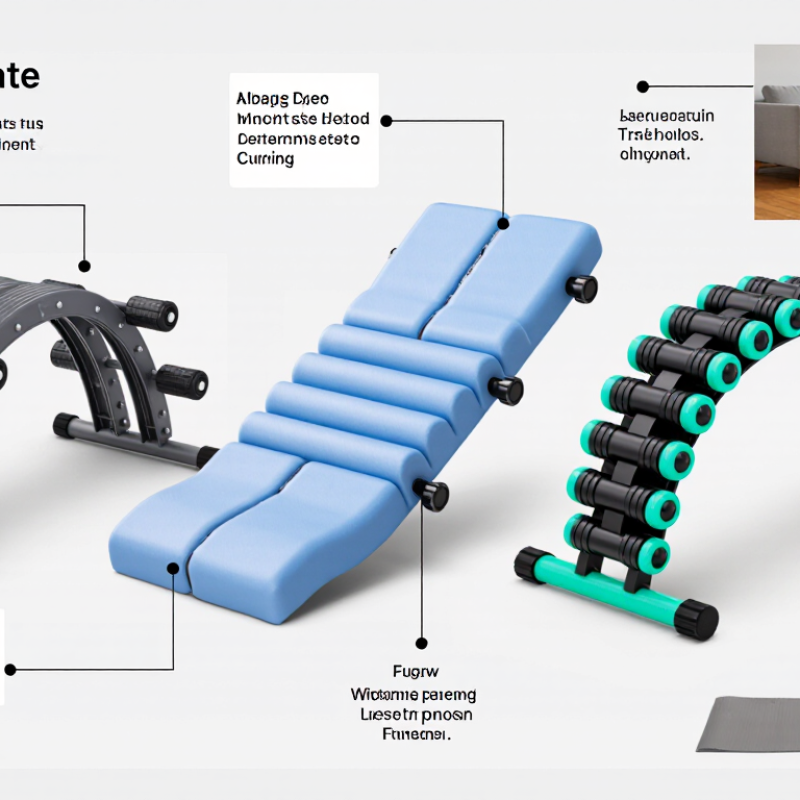
Back stretcher boards come in several shapes, and each suits a different routine. A fixed arch board has a simple, firm curve that supports the lower back while you lie on the floor. Its height cannot change, so check that the arch feels comfortable before putting your full weight on it. Start gently.
Adjustable boards offer multiple height settings, which can help beginners test a shallower stretch before trying a deeper curve. Some include raised pressure points along the surface. These may feel soothing to some people, but they can be uncomfortable on sensitive skin or bony areas. A thin shirt can soften the sensation. Small changes matter.
Inflatable boards are lighter to store and carry, though their support may feel less firm than a solid board. Choose a stable surface, follow the maker’s setup instructions, and keep each session brief at first. A stretcher should not cause sharp pain, tingling, or pain that travels down a leg. Stop if it does. People with recent back surgery, osteoporosis, or an existing spinal condition should ask a qualified health professional before use. Comfort varies, and a board is not a substitute for medical assessment when symptoms persist.