

Top 10 Tips for Choosing Sandblast Rubber Hose?
Choosing the right Sandblast rubber hose is crucial for efficient blasting operations. These hoses are designed to handle abrasive materials at high pressures. The quality of your hose can significantly impact your project's success.
A durable sandblast rubber hose ensures safety and performance. It's important to consider factors like material, flexibility, and resistance to wear and tear. A poorly chosen hose can lead to leaks and downtime, which often results in frustration and extra costs.
Before making a decision, reflect on your specific needs. What kind of projects do you undertake? How frequently will you use the hose? These questions will guide you. Remember, investing time in selecting the right sandblast rubber hose pays off in the long run. Quality matters.
Understanding the Basics of Sandblast Rubber Hoses
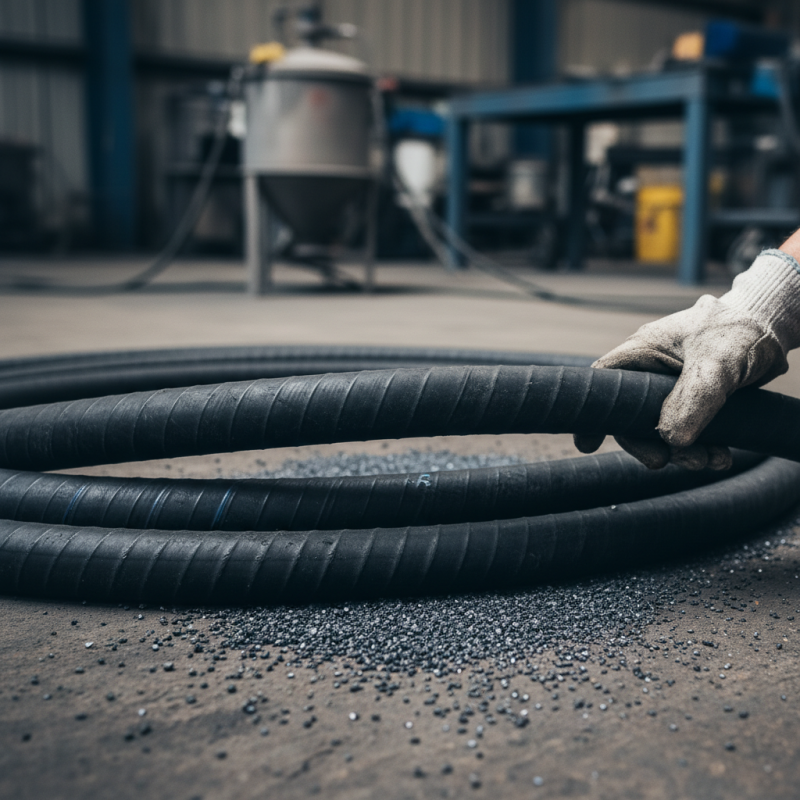
When selecting a sandblast rubber hose, it's essential to understand its fundamentals. These hoses are specifically designed to withstand the abrasive nature of materials used in sandblasting. According to industry standards, a quality sandblast hose should have a robust outer layer to resist tearing and wearing. The inner lining often features specialized compounds that enhance durability and flow efficiency.
Material selection plays a critical role. A comprehensive report from the Rubber Manufacturers Association states that hoses made from a high-grade synthetic rubber can sustain temperatures up to 200°F. This feature is crucial for prolonged sandblasting tasks. The inside diameter of the hose also matters; typically ranging between 1 inch to 2 inches. A smaller diameter may restrict flow, impacting efficiency.
Additionally, hose length should be factored into your choice. Longer hoses can lead to increased pressure drop, which diminishes performance. While evaluating options, check for user reviews and experiences. Mistakes in hose selection can lead to operational inefficiencies and additional costs. Keep in mind the varying environmental conditions where the hose will be used. Not all hoses perform well in extreme temperatures or under heavy abrasion.
Top 10 Tips for Choosing Sandblast Rubber Hose
| Tip | Description | Considerations | Warranty |
|---|---|---|---|
| 1. Identify Hose Size | Choose the correct diameter based on your equipment. | Ensure compatibility with existing fittings. | Check if the hose has a warranty for size mismatches. |
| 2. Check Material Durability | Select a hose made from high-quality rubber for longevity. | Assess environmental factors that might affect performance. | Look for guarantees against wear and tear. |
| 3. Evaluate Pressure Rating | Choose a hose that can handle the expected pressure levels. | Consider the maximum working pressure of your system. | Warranty may cover pressure-related failures. |
| 4. Look for Flexible Options | Opt for a hose that is easy to maneuver. | Check for bends and twists that might impede work. | Inquire about the flexibility warranty. |
| 5. Identify Length Requirements | Measure the distance between connections to select the appropriate length. | Avoid excessive slack or tightness. | Check warranty for potential length limitations. |
| 6. Consider Temperature Resistance | Select a hose suitable for the temperature ranges expected in use. | Evaluate the temperature extremes in your work environment. | Review warranty details regarding temperature tolerance. |
| 7. Assess Abrasion Resistance | Choose hoses that withstand heavy abrasions from sandblasting materials. | Check for features enhancing abrasion resistance. | Warranty may protect against premature wear. |
| 8. Look for Anti-Static Properties | Select hoses that prevent static build-up during use. | Review safety standards to minimize risk. | Check if the warranty covers anti-static failures. |
| 9. Review Connector Compatibility | Ensure the hose fits your blaster's connectors. | Check for available adapter options if needed. | Confirm warranty applicability to fittings. |
| 10. Compare Prices | Evaluate various suppliers for competitive pricing. | Consider total costs including shipping and handling. | Review warranties related to price guarantees. |
Key Features to Consider When Selecting a Sandblast Rubber Hose
When selecting a sandblast rubber hose, several key features are crucial. Material composition is vital. Look for hoses made from high-quality rubber. These materials can withstand high pressures and resist abrasion. According to industry data, hoses constructed from durable compounds can last up to 30% longer than standard options. This longevity can translate into significant cost savings over time.
Another important aspect is hose flexibility. A good sandblast hose should be easy to maneuver. A rigid hose can lead to accidents and reduce efficiency. Experts suggest selecting hoses with a bend radius of at least 20% of the hose length. This flexibility enhances usability in various environments. Additionally, consider the diameter of the hose. A wider diameter allows for better airflow and efficiency. However, too wide can cause unnecessary weight, making handling more difficult.
Pressure ratings are equally important. A hose must safely handle the intended operational pressure. Industry reports indicate that hoses operating near their maximum pressure can fail 30% more often. Regular inspection for wear and tear is advisable. This helps in identifying potential issues early, ensuring safety and efficiency. Lastly, don't forget about compatibility with other equipment. A mismatched hose can hinder performance and lead to costly replacements.
Factors Affecting the Durability of Sandblast Rubber Hoses
When selecting sandblast rubber hoses, durability is paramount. The materials used play a key role in how long a hose lasts. High-quality rubber can withstand harsh conditions. However, not all hoses are created equal. Some may appear robust but fail under pressure. Understanding the differences is essential.
Environmental factors also affect durability. Extreme temperatures can cause rubber to crack. UV exposure reduces lifespan as well. Consider the working environment carefully. Dust and debris can wear down hoses too. Regular inspections can help catch issues early. But even with precautions, wear and tear are inevitable. Users might overlook signs of damage, leading to failures.
Another consideration is the hose's flexibility. Stiff hoses may kink, causing blockages. This can lead to abrupt failures. A balance between flexibility and strength is necessary. It’s important to learn from experiences. Choosing the wrong hose can result in costly downtime. Reflecting on past choices can guide better decisions in the future.
Top 10 Tips for Choosing Sandblast Rubber Hose
Choosing the Right Size and Length for Your Sandblast Hose
Choosing the right size and length for your sandblast hose is crucial. The diameter affects the airflow and material delivery. A hose that is too small can restrict flow, causing inefficiencies. Too large a diameter can lead to material wastage and uneven blasting. Ideal diameters vary, but typically range from 1 to 4 inches. You need to match the hose size with your blasting equipment.
Length is another important factor. A longer hose can reach distant areas easily. However, it can also cause a drop in pressure and affect performance. Measure the distance from your equipment to the work area carefully. It is wise to add some extra length to avoid tight spots. Yet, remember that excessive length can lead to complications.
Many users overlook these details. They often choose a hose based on convenience, not performance. This can lead to frustration during blasting tasks. Consider your specific needs. Think about the projects you regularly handle. The right decisions will improve efficiency and overall results in sandblasting.
Maintenance Tips for Prolonging the Life of Sandblast Rubber Hoses
Sandblast rubber hoses are essential for many industrial applications. To ensure long-lasting performance, proper maintenance is crucial. Regularly checking for signs of wear is a good start. Inspecting for cracks or abrasions can help prevent unexpected failures. If any damage is found, timely replacement is a must.
Cleaning is another vital aspect of maintenance. After each use, it’s advisable to rinse the hose thoroughly. This removes sand and debris that can cause internal damage. Storing the hose properly also matters. Avoid sharp bends and kinks. They can lead to weak points that may break under pressure. Keeping hoses away from extreme temperatures is essential too.
Over time, you might notice a decrease in flexibility. This is a sign that the rubber is aging. Using the hose frequently may lead to quicker wear. It’s important to monitor its performance regularly. When not in use, keep it coiled loosely. Stretching the hose can create unwanted stress points. Taking these small steps can significantly extend the life of your sandblast rubber hoses.