
What Is a Lithium Cell and How Does It Work?

A Lithium Cell is the smallest working unit inside many modern batteries. It stores energy through reversible chemical reactions. During discharge, lithium ions move through the electrolyte from the anode to the cathode. Electrons travel through an external circuit instead. That movement powers a phone, electric vehicle, or industrial machine.

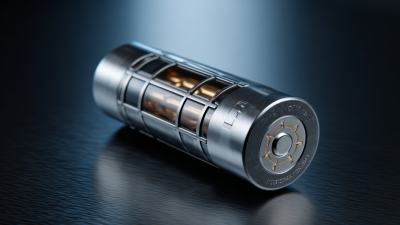
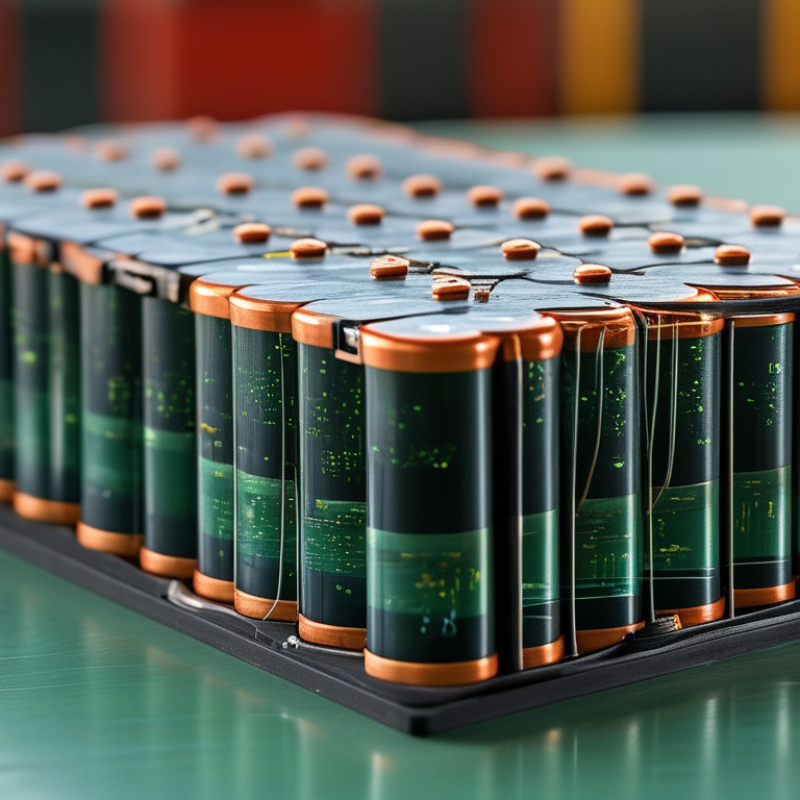
The structure is compact but carefully engineered. A typical cell contains a cathode, anode, separator, electrolyte, and metal current collectors. The separator keeps the electrodes apart while allowing ions to pass. Imagine a thin layered sandwich inside a sealed metal cylinder or pouch. Small design differences can affect energy density, charging speed, safety, and service life. A cell is not a complete battery pack. Packs combine many cells with cooling systems, sensors, wiring, and battery-management software.

Industry data shows why this technology matters. The International Energy Agency reported more than 14 million electric cars were sold worldwide in 2023. Electric-car battery demand also exceeded 750 GWh that year, increasing by about 40%. BloombergNEF reported that average lithium-ion battery pack prices fell to 115 dollars per kWh in 2024. These figures suggest rapid progress, but they do not tell the whole story. Manufacturing quality, temperature, charging habits, and raw-material supply still influence real-world performance. The numbers look impressive. Some explanations remain incomplete. This guide examines how a Lithium Cell works, why its internal materials matter, and where practical limitations deserve closer attention. It draws on established industry research, while recognizing that battery data changes quickly and should be checked against updated technical reports.
What Is a Lithium Cell and How Does It Work?

What Is a Lithium Cell?

A lithium cell is the smallest working unit of many rechargeable batteries. It stores energy through reversible chemical reactions, not by holding electricity like a container. A typical lithium-ion cell contains a positive electrode, a negative electrode, an electrolyte, and a thin separator. The electrodes sit on metal current collectors, which carry electrons through an external circuit.

During discharge, lithium ions move through the electrolyte from the negative electrode to the positive electrode. Electrons cannot cross the separator, so they travel through a device instead. That movement powers a lamp, motor, or electronic circuit. When the cell charges, an external power source drives the ions back. The process sounds simple. The internal chemistry is not.

Cell shape affects cooling, weight, and manufacturing quality. Temperature also matters. Cold conditions can reduce available power, while excessive heat may damage materials. A control system monitors voltage, current, and temperature because a cell should operate within defined limits. Protection is important, but it cannot correct every design mistake.

In practical battery testing, capacity often falls as a cell ages. Repeated cycles, high temperatures, and long periods at full charge can accelerate that change. It is tempting to describe lithium cells as perfectly efficient, yet that would be misleading. Some energy becomes heat, and performance varies between chemistries and operating conditions. A careful explanation should admit those limits.

What Are the Main Parts of a Lithium Cell?

A lithium-ion cell stores energy through a controlled chemical reaction. Its main parts are the cathode, anode, separator, electrolyte, current collectors, and casing. The cathode is the positive electrode during discharge, while the anode is the negative electrode. Lithium ions move between these electrodes inside the cell. Electrons travel through an external circuit instead.

The separator is a thin, porous film between the electrodes. It blocks direct contact but allows lithium ions to pass. It looks simple. It is not. The electrolyte carries ions through the microscopic pores. Aluminum and copper foils collect current from the cathode and anode. Their surfaces must remain clean and evenly coated. Small flaws can increase resistance or create uneven heating.

A metal casing protects the internal layers from moisture, pressure, and physical damage. Terminals connect the cell to a circuit. Some cells also include safety features, such as vents or shutdown devices. These features reduce risk but cannot correct every design or handling error. In practical testing, technicians check voltage, internal resistance, temperature, and swelling. A cell may appear normal while hiding internal damage. That is why visual inspection alone is insufficient. Understanding each part helps explain both performance and failure.

What Is a Lithium Cell and How Does It Work? - What Are the Main Parts of a Lithium Cell?

Category Main Part or Concept Typical Material or Value Primary Function How It Works in the Cell
Definition Lithium-ion cell A rechargeable electrochemical cell Stores and releases electrical energy Lithium ions move between two electrode materials while electrons travel through the external circuit.
Positive electrode Cathode during discharge Lithium-containing metal oxide or phosphate, such as lithium nickel manganese cobalt oxide or lithium iron phosphate Accepts lithium ions during discharge and releases them during charging Its chemical composition strongly affects voltage, energy density, thermal stability, and service life.
Negative electrode Anode during discharge Usually graphite; some designs include silicon-containing materials Releases lithium ions during discharge and stores them during charging Electrons are produced at this electrode during discharge and flow through the external circuit.
Electrolyte Ion-conducting medium A lithium salt dissolved in organic solvents or incorporated into a gel or solid electrolyte Allows lithium ions to move between the electrodes It conducts ions internally but is designed to prevent electronic current from passing directly between the electrodes.
Separator Microporous insulating membrane Commonly a thin polyolefin-based polymer film Prevents direct contact between the positive and negative electrodes Its pores hold electrolyte and permit lithium-ion transport while reducing the risk of an internal short circuit.
Positive current collector Metal foil connected to the positive electrode Usually aluminum foil Collects and transfers electrons to the positive terminal It provides a low-resistance electrical path between the active cathode material and the external connection.
Negative current collector Metal foil connected to the negative electrode Usually copper foil Collects and transfers electrons from the negative electrode It supports the anode coating and carries current to the negative terminal.
Cell casing Mechanical enclosure Steel, aluminum, or laminated polymer pouch material Protects internal components and contains the electrolyte The casing may also provide structural support and must accommodate changes in pressure and temperature.
Terminals and tabs External electrical connections Conductive metal tabs connected to the current collectors Connect the cell to a charger, load, or battery-management system They provide the current path into and out of the cell.
Discharge process Energy delivery Lithium ions move from the negative electrode to the positive electrode Powers an external device Electrons flow through the external circuit from the negative terminal to the positive terminal, while ions move internally through the electrolyte.
Charging process Energy storage Lithium ions move from the positive electrode to the negative electrode Restores the cell’s stored chemical energy An external power source forces electrons toward the negative electrode and drives lithium ions in the same overall direction.
Nominal voltage Typical operating voltage Approximately 3.2–3.7 volts per cell, depending on electrode chemistry Indicates the approximate average voltage during normal operation Actual voltage varies with chemistry, state of charge, current, temperature, and cell aging.
Energy capacity Stored electrical energy Measured in watt-hours (Wh); capacity is also commonly stated in ampere-hours (Ah) Shows how much energy the cell can deliver under specified test conditions A simplified relationship is: energy in Wh ≈ nominal voltage in V × capacity in Ah.
Safety features Protection and control systems Separators with shutdown behavior, pressure vents, temperature sensors, and electronic protection circuits Reduces the risk of overcharge, overheating, over-discharge, and short circuit Safe operation depends on correct cell design, manufacturing quality, charging control, thermal management, and appropriate use.

Note: Materials, voltage limits, capacity, and safety features vary by lithium-cell chemistry and design. The values shown are general technical ranges rather than specifications for a particular cell.

How Does a Lithium Cell Store and Release Energy?

A lithium cell stores energy through reversible chemical reactions. During charging, an external power source pushes lithium ions from the cathode through an electrolyte toward the graphite anode. The separator keeps the electrodes apart while allowing ions to pass. Electrons cannot cross that barrier, so they travel through the charging circuit instead. This separation stores electrical potential in a compact structure.

During discharge, lithium ions move back toward the cathode. Electrons take the longer route through a device, creating usable current. A typical lithium-ion cell produces about 3.6 to 3.7 volts nominally, according to U.S. Department of Energy battery technology data. The textbook picture is neat. Real cells are not. Temperature, charging speed, electrode aging, and manufacturing differences change performance. The International Energy Agency reported that global electric-car battery demand exceeded 750 GWh in 2023. That figure shows how quickly this small-cell principle has moved into large energy systems.

Tips: Keep cells away from excessive heat and physical damage. Avoid storing them fully empty for long periods. Charging habits matter, but they are not magic. A cell’s capacity gradually declines because side reactions consume active materials and increase internal resistance. Measuring only voltage can mislead you; a healthy-looking reading may hide reduced capacity. Battery engineers therefore test cells under controlled load, temperature, and cycle conditions. This is where practical experience corrects simplified explanations.

What Happens During Charging and Discharging?

A lithium cell stores energy through reversible chemical reactions. During discharge, lithium ions leave the negative electrode and travel through the electrolyte. They move toward the positive electrode. Electrons cannot cross the electrolyte, so they flow through the external circuit instead. That movement powers a motor, sensor, or electronic device. The process releases heat, especially under high current. The simple water-tank analogy helps, but it is incomplete.

During charging, an external power source pushes electrons back toward the negative electrode. Lithium ions also return through the electrolyte. This reaction needs careful control. Excessive voltage can damage the cell and increase heat. Slow charging usually reduces stress, while cold charging can cause lithium plating. In 2023, global electric-vehicle battery demand exceeded 750 GWh, according to the International Energy Agency’s Global EV Outlook 2024. The same report recorded a 14% decline in lithium-ion battery pack prices. These figures show rapid scale, not perfect performance. Charging losses still occur, and real-world capacity varies with temperature, age, and charging speed.

Tips: Keep charging within the cell manufacturer’s stated limits. Avoid charging a cold or visibly damaged cell. Allow ventilation around high-power equipment. A battery management system monitors voltage, temperature, and current, but it cannot correct every design mistake. This is where my explanation feels imperfect: chemistry is predictable, yet daily battery behavior remains highly variable.

What Are the Main Types and Safety Features of Lithium Cells?

A lithium cell stores energy through chemical reactions between a lithium-based electrode and an electrolyte. Primary lithium cells are designed for single use. They often power meters, sensors, and emergency equipment. Rechargeable lithium-ion cells support repeated charging. Their chemistry may use lithium cobalt oxide, nickel manganese cobalt oxide, lithium iron phosphate, or lithium titanate. Each type balances energy density, cost, lifespan, and thermal stability differently. Lithium iron phosphate generally offers strong thermal stability, while high-energy chemistries need stricter control. Performance depends on more than chemistry.

Safety begins inside the cell. A porous separator keeps the electrodes apart while allowing ions to move. If temperatures rise too far, some separators close their pores and reduce current. Pressure vents can release gas during severe failure. A current-interrupt device may disconnect the circuit when internal pressure becomes dangerous. External battery packs also require a battery management system. It monitors voltage, temperature, charging current, and cell balance. Physical protection matters too. Strong insulation, secure terminals, and controlled charging reduce accidental damage. Small mistakes can still matter. Overcharging, crushing, puncturing, or using a damaged cell may trigger overheating and fire. Engineers test cells under abuse conditions, but no design is risk-free. Certification and professional inspection add confidence, yet a safety label alone proves little. Users should follow the specified charger, storage temperature, and disposal procedure. Endless improvement is still necessary.

Go to Top