Why Choose a Battery Energy Storage System?
Electricity systems are becoming more variable, distributed, and demanding. Solar panels may produce excess power at noon, while offices, factories, and homes need it after sunset. A Battery Energy Storage System helps bridge that timing gap. It stores electricity during low-demand periods and releases it when the grid or facility needs support.
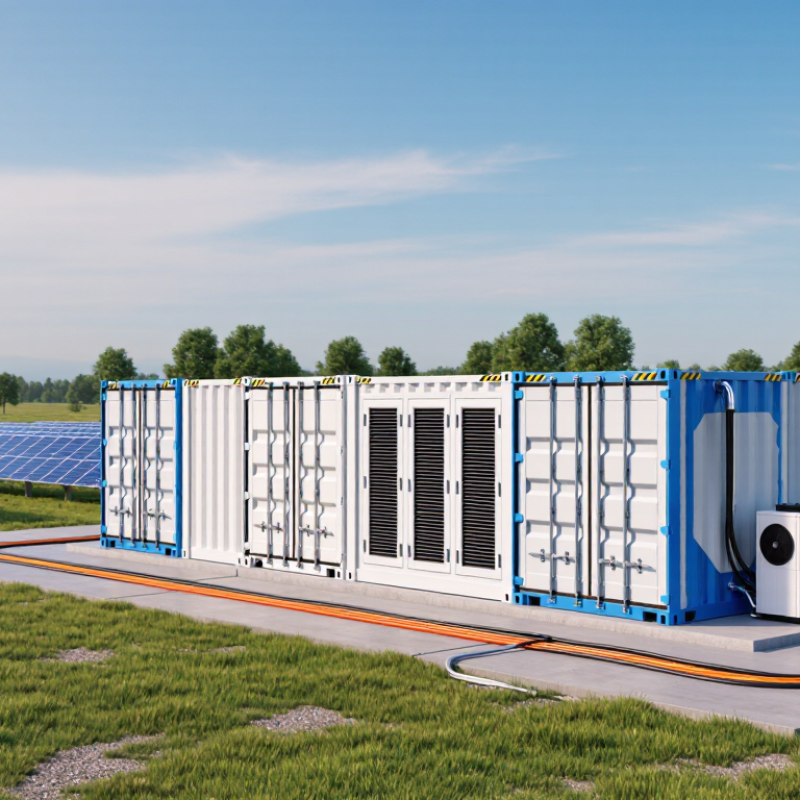
The International Energy Agency’s Batteries and Secure Energy Transitions report states that global battery storage additions reached about 42 gigawatts in 2023, nearly doubling from the previous year. The IEA also estimates that battery storage capacity must expand substantially by 2030 to support clean-energy targets. These figures show strong momentum, but they do not guarantee success for every project. A battery container beside a solar farm still requires careful sizing, controls, cooling, and grid coordination.
The benefits are practical. Batteries can respond within milliseconds, reduce peak-demand charges, improve renewable-energy utilization, and provide backup power during short outages. Lazard’s Levelized Cost of Storage analysis also shows improving cost competitiveness across several storage applications, although results vary by technology, duration, financing, and location. A four-hour system cannot solve every long-duration reliability problem.
The case is strong, but not automatic.
Project owners should examine load profiles, tariff structures, cycling frequency, degradation, and safety standards before purchasing equipment. Thermal runaway risks require certified designs, monitoring, ventilation, and emergency procedures. Recycling and responsible material sourcing also deserve attention. The U.S. Department of Energy’s Energy Storage Grand Challenge emphasizes performance, safety, sustainability, and domestic resilience. In practice, the best Battery Energy Storage System is not always the largest one. It is the system matched carefully to operational needs, local regulations, and realistic financial assumptions. Mistakes remain possible. That is why independent testing, transparent warranties, and experienced integrators matter.
What Is a Battery Energy Storage System?
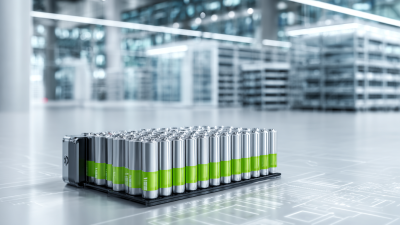
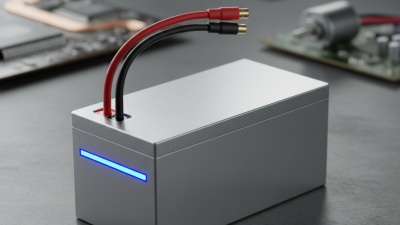
A battery energy storage system, or BESS, stores electricity in rechargeable batteries and releases it when needed. It usually includes battery cells, a battery management system, an inverter, cooling equipment, and safety controls. These parts convert stored direct current into usable alternating current. In simple terms, it acts like a carefully managed reservoir for electricity. It charges during low-demand periods or when solar power is abundant. It discharges during peak demand, outages, or unstable supply.
A BESS can support homes, factories, hospitals, and renewable energy projects. For example, a facility may charge batteries at noon, when rooftop solar produces strongly. At 7 p.m., the batteries can power lighting, computers, or pumps. This can reduce grid dependence during expensive periods. It can also smooth sudden changes in renewable generation. However, performance depends on capacity, power rating, temperature, battery chemistry, installation quality, and control software. More storage does not always mean better storage. An oversized system may sit unused and increase costs.
Safe operation requires ventilation, fire detection, electrical protection, regular inspection, and trained maintenance personnel. Monitoring systems track temperature, voltage, state of charge, and battery health. These details matter because a small imbalance can reduce usable capacity over time. The system is not magic. Battery degradation is real, and replacement planning is often overlooked. A reliable design begins with measured load data, clear operating goals, and realistic expectations. Even then, forecasts can be wrong. Weather, energy prices, and facility demand may change faster than the original plan.
Why Choose a Battery Energy Storage System?
A Battery Energy Storage System (BESS) stores electricity and releases it when needed. High round-trip efficiency helps reduce energy losses during charging and discharging, improving the value of renewable energy and supporting grid flexibility.
The chart shows representative midpoint values from commonly reported efficiency ranges for major battery technologies. Actual performance varies with system design, operating conditions, temperature, age, and power-conversion equipment.
How Does Battery Energy Storage Work?
How does battery energy storage work? A battery system stores electricity when supply is available or prices are low. During high demand, it releases that energy through an inverter. The inverter changes direct current into usable alternating current. A battery management system monitors temperature, voltage, and state of charge. It can disconnect unsafe modules within milliseconds. This fast response supports frequency control, backup power, and renewable integration. The International Energy Agency reported that global battery storage additions reached 42 GW in 2023, rising by more than 130% in one year. (IEA, Batteries and Secure Energy Transitions, 2024)
In practical projects, storage is usually sized by power and duration. A 10 MW system with four hours of storage can deliver 40 MWh. That may cover an evening peak, but not several cloudy days. Round-trip efficiency also matters. Energy is lost during charging and discharging. Lazard’s Levelized Cost of Storage analysis shows that costs vary widely by duration, financing, and operating conditions. Site assessments should examine heat, fire protection, grid limits, and battery degradation. A simple payback estimate can mislead. Real operation is less tidy.
Tips: Match the battery to the job. Use shorter-duration systems for fast grid services. Choose longer duration for evening load shifting. Leave room for degradation. Review measured load data, not guesses. A ten-minute interval profile is often more useful than a monthly bill. Check warranty assumptions carefully. They may not reflect aggressive cycling.
What Are the Main Benefits of Battery Energy Storage?
Battery energy storage systems help electricity work harder. They store power when supply is plentiful and release it when demand rises. For example, a solar array may produce its most energy at noon, while a building reaches peak demand at six in the evening. A battery can bridge that timing gap.
The main benefit is flexibility. Businesses can reduce costly demand peaks, support critical loads, and keep essential equipment operating during short grid interruptions. Homes may maintain lighting, refrigeration, and internet access when the local network fails. At grid scale, batteries can respond within milliseconds to stabilize frequency and absorb sudden changes in renewable generation. This fast response can improve reliability without building new power plants for every brief demand spike.
Batteries also improve renewable energy use. Instead of curtailing excess solar power, operators can store it for evening consumption. That can lower wasted generation and reduce dependence on fossil-fuel-based peaking resources. However, performance depends on more than capacity. Temperature control, fire protection, software settings, and regular inspections affect safety and service life. Not perfect. Batteries degrade over time, and replacement costs can be underestimated. Engineers should assess local tariffs, load patterns, available space, and emergency procedures before selecting a system. A smaller, well-managed installation may deliver more practical value than a larger system with poor operating data.
Why Choose a Battery Energy Storage System? - What Are the Main Benefits of Battery Energy Storage?
| Benefit Area |
Typical Technical Range or Value |
How Battery Storage Helps |
Practical Impact |
| Renewable Energy Integration |
High solar and wind output can be stored for later use |
Stores surplus electricity when generation exceeds demand and releases it when production falls |
Improves renewable self-consumption and reduces curtailment |
| Peak Demand Reduction |
Discharge duration commonly ranges from approximately 1 to 4 hours |
Supplies part of the load during high-demand periods |
Can reduce demand charges where electricity tariffs are based on peak power |
| Round-Trip Efficiency |
Approximately 85%–95% for many modern lithium-ion systems |
Returns most of the energy supplied to the storage system after charging and discharging losses |
Supports efficient daily energy shifting |
| Fast Response |
Power output can respond in milliseconds to seconds, depending on system design |
Rapidly balances changes in load and generation |
Helps stabilize voltage and frequency and supports power-quality control |
| Backup Power |
Backup duration depends on battery capacity, connected load, and operating conditions |
Provides stored electricity during grid interruptions when configured for backup operation |
Improves resilience for critical loads and essential operations |
| Grid Services |
Suitable for controllable charging and discharging within inverter power limits |
Can provide frequency regulation, ramp control, voltage support, and reserve capacity where permitted |
Adds flexibility to electricity networks and distributed energy systems |
| Energy Arbitrage |
Charging and discharging schedules can follow time-of-use price periods |
Charges during lower-cost periods and discharges during higher-cost periods |
May lower energy costs when tariff differences exceed operating losses and fees |
| Modular Scalability |
Power is measured in kW or MW; energy capacity is measured in kWh or MWh |
Additional battery modules, inverters, or enclosures can be added subject to site and grid limits |
Allows capacity to be aligned with changing energy demand |
| Operating Lifetime |
Many systems are designed for approximately 10–15 years, depending on chemistry, cycling, temperature, and warranty conditions |
Battery management systems control operating limits to reduce degradation |
Provides long-term service when properly sized, installed, and maintained |
| Emissions Reduction Potential |
Reduction depends on the electricity mix, charging source, efficiency, and operating schedule |
Stores renewable electricity and can reduce reliance on fossil-fuel generation during high-demand periods |
Can support lower operational emissions when integrated with clean generation |
| System Monitoring and Control |
Continuous monitoring of state of charge, power, temperature, alarms, and performance |
Energy management software coordinates charging, discharging, and protection functions |
Improves operational visibility, safety management, and performance optimization |
Note: Values are representative industry ranges rather than guaranteed system specifications. Actual performance depends on battery chemistry, system configuration, ambient temperature, installation conditions, cycling profile, grid rules, and local electricity tariffs.
Which Applications Use Battery Energy Storage Systems?
Why Choose a Battery Energy Storage System?
Battery energy storage systems serve many practical roles across modern power networks. Solar and wind projects use them to store surplus electricity during productive hours. The stored power can support evening demand when generation falls. This improves renewable utilization without building new generation immediately.
Commercial buildings often use batteries for peak shaving. They charge during lower-cost periods and discharge when demand charges rise. Warehouses, factories, and offices can also maintain essential operations during short outages. Hospitals and emergency facilities need carefully tested backup systems. Battery systems can support critical circuits, but they are not a substitute for every emergency measure. Site engineers must confirm runtime, load priority, ventilation, fire protection, and local requirements.
Remote communities and microgrids use storage to balance local generation. It can reduce diesel consumption and stabilize voltage during changing loads. Electric vehicle charging sites may use batteries to limit sudden grid demand. Utilities also deploy larger systems for frequency control and grid balancing. Real project results depend on temperature, cycling habits, maintenance, and battery chemistry. Small design mistakes matter. Oversizing wastes capital, while undersizing causes disappointing performance. Good applications begin with measured load data, realistic outage assumptions, and independent safety reviews.
What Factors Should Guide System Selection?
Why Choose a Battery Energy Storage System?
Selecting a battery energy storage system starts with the site, not the brochure. Review hourly electricity demand, peak loads, outage risks, and future expansion plans. A system serving a small workshop differs from one supporting a hospital or solar plant. Check usable capacity, power rating, round-trip efficiency, cycle life, and expected degradation. Capacity is not everything.
Site conditions also guide selection. Measure available floor space, ventilation, temperature ranges, humidity, and emergency access. Thermal management and fire protection should match local codes and qualified engineering advice. Ask for independent test reports, warranty terms, performance guarantees, and clear degradation assumptions. Certified installers should explain maintenance schedules and remote monitoring limits. A low purchase price may hide costly replacement work.
Tips: Compare systems using your real load profile. Request three-year operating estimates. Check how the battery performs during winter peaks. Confirm whether stated capacity is usable. Ask who responds when alarms appear. Do not accept vague promises. A perfect forecast is impossible. That is the part many buyers overlook. Leave room for changing tariffs, added equipment, and imperfect data. In practice, a slightly smaller system with stronger controls may outperform a larger unit chosen by headline capacity alone. Review the proposal with an electrical professional before signing.